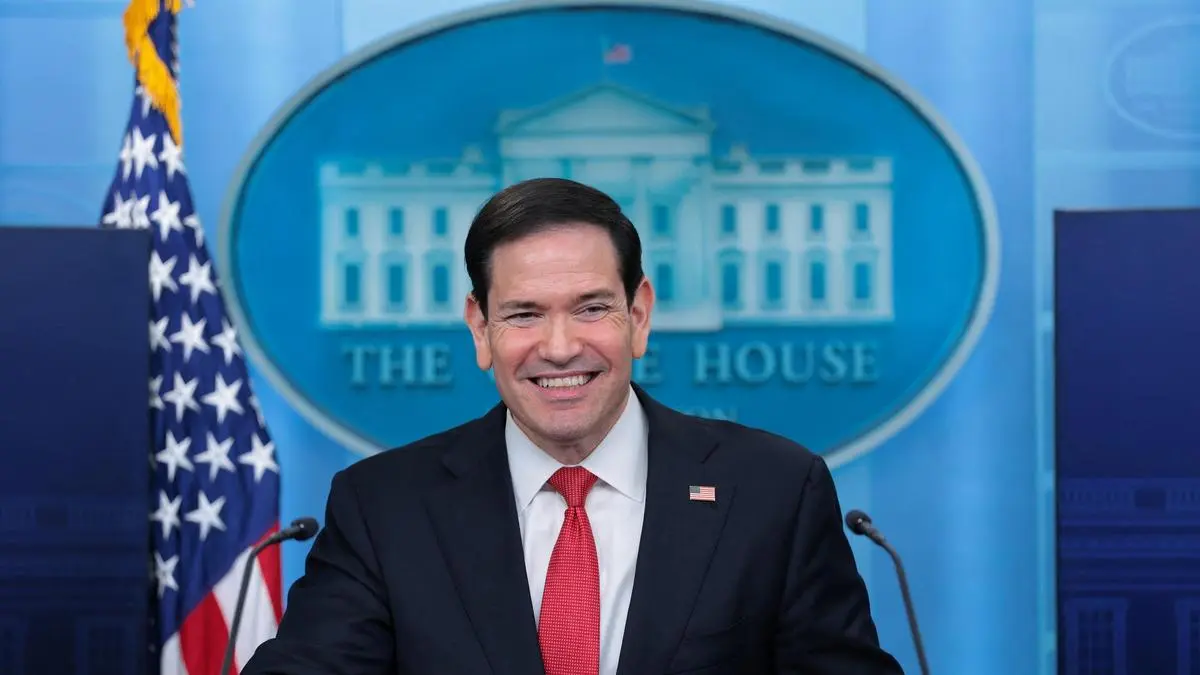
In a departure from standard administrative protocol, U.S. Secretary of State Marco Rubio is set to assume temporary responsibility for White House press briefings. This shift occurs as White House Press Secretary Karoline Leavitt begins her maternity leave, leaving a vacancy at the podium that the administration has opted to fill with a senior cabinet official rather than a traditional deputy or communications staffer. The arrangement, confirmed for Tuesday, signals a strategic decision to maintain high-level messaging control during a period of significant turnover in the executive office.
Cabinet Integration and Communication Strategy
The decision to utilize the Secretary of State for routine press briefings is an unusual consolidation of roles. Typically, the White House Press Secretary serves as the primary interface between the executive branch and the media, focusing on domestic policy and administrative updates. By placing a cabinet-level official like Rubio at the podium, the administration is signaling that the upcoming briefings will likely pivot toward foreign policy, geopolitical strategy, and international relations. This move effectively elevates the visibility of the State Department's agenda within the daily White House news cycle.
For market observers and political analysts, this shift suggests that the administration intends to keep foreign policy at the forefront of the public discourse. Rubio’s presence at the briefing room podium implies that the White House is prioritizing a unified front on international issues, potentially bypassing the standard communications team to ensure that the Secretary of State’s perspective is delivered directly to the press corps. This could impact how international markets and foreign policy stakeholders interpret upcoming statements, as the messaging will now originate from the highest level of diplomatic authority.
Personnel Shifts and Administrative Continuity
Karoline Leavitt announced her departure for maternity leave following a final press gaggle on April 24. While the administration has stated that there will be no direct replacement for Leavitt during her absence, the reliance on Rubio highlights a broader trend of cross-functional leadership within the current administration. The White House has experienced a notable period of personnel changes, characterized by what some have described as a "baby boom" among senior staff and their families. This demographic shift has necessitated a more flexible approach to staffing, as key figures like Usha Vance and Katie Miller manage personal milestones alongside their professional obligations.
Leavitt’s departure leaves a void in the day-to-day management of the press office, but the administration’s decision to tap Rubio suggests a preference for high-stakes, authoritative communication over a standard administrative fill-in. This approach reflects the broader philosophy articulated by Leavitt in previous interviews, where she emphasized that the current administration prioritizes professional performance and direct results over traditional bureaucratic structures. The reliance on a cabinet secretary to handle press duties is a testament to the administration's willingness to break with convention to maintain its narrative momentum.
Market Implications of Centralized Messaging
For those tracking stock market analysis, the centralization of communication through a senior cabinet official like Rubio introduces a new variable in policy-driven market volatility. When a Secretary of State addresses the press from the White House, the weight of the statements carries greater implications for global trade, defense spending, and international sanctions. Investors should be prepared for a more hawkish or diplomatically charged tone in briefings, as the focus shifts from domestic administrative updates to the broader geopolitical landscape.
This change in the briefing structure creates a specific decision point for market participants. If the administration uses this platform to announce shifts in trade policy or international alliances, the impact on global equities could be immediate. Traders should monitor whether this temporary arrangement becomes a permanent feature of the administration’s communication strategy, as it would indicate a long-term shift toward a more centralized, cabinet-led approach to public relations. The absence of a traditional press secretary replacement suggests that the administration is comfortable with this high-level, direct-to-media strategy for the duration of the current vacancy.