Commodities● Neutral
Strait of Hormuz Transit Volume Drops 22% Amid U.S. Blockade
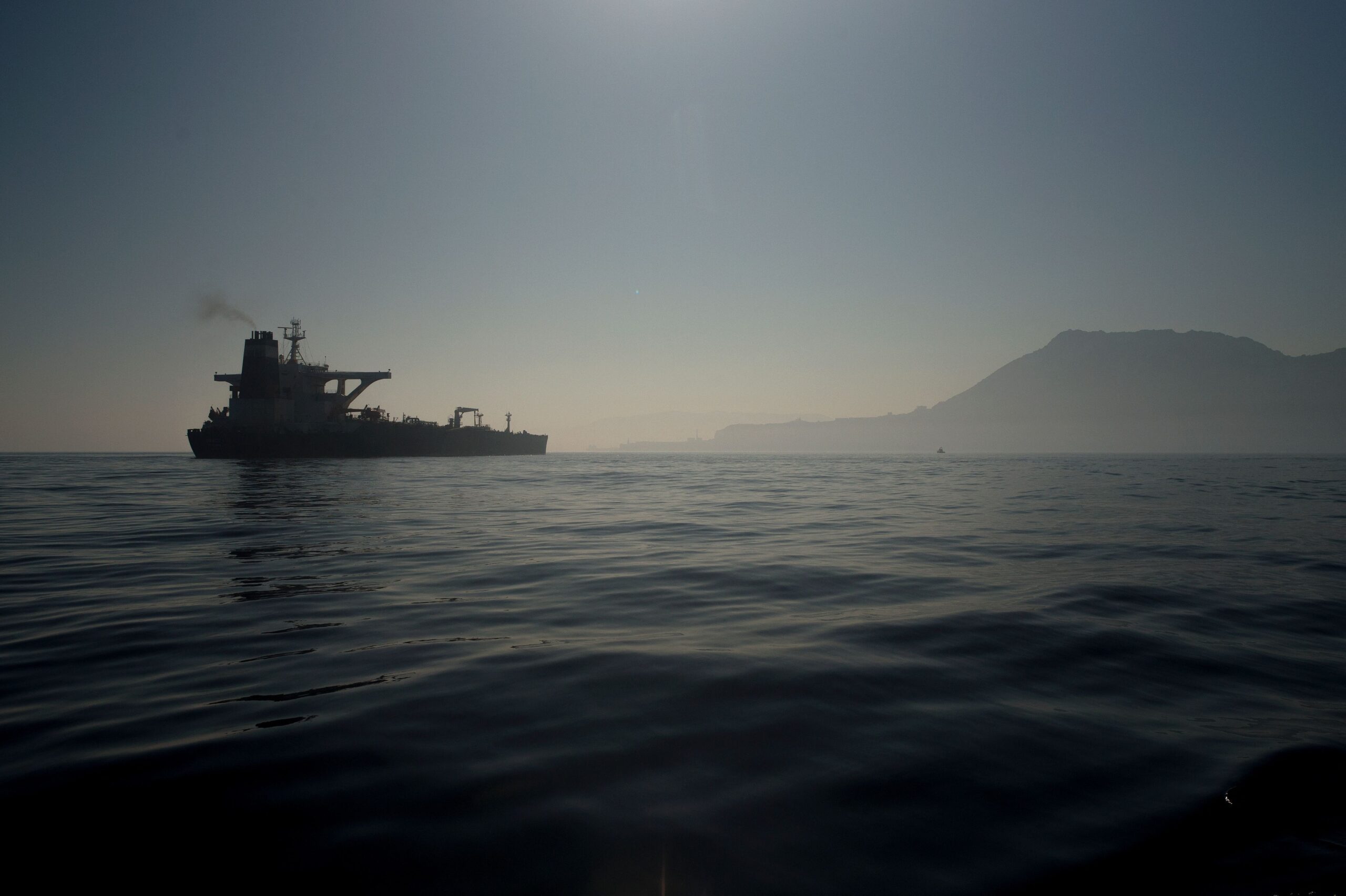
Insurance surcharges for tankers rose 15% as non-Iranian vessels face heightened scrutiny. Watch for further supply chain risks and energy price volatility.
Continue with
Shipping Constraints Amid Regional Volatility
The U.S. blockade on vessels entering or leaving Iranian ports has created a sharp rise in uncertainty for global energy transit. The Strait of Hormuz, a critical artery for world energy supplies, remains under extreme pressure. While the passage is not officially closed, the practical reality for commercial shipping has become increasingly difficult. Traders monitoring the crude oil profile are watching these developments closely to gauge the risk to global supply chains.
Tracking Non-Iranian Vessel Activity
Data indicates that a specific subset of non-Iranian tankers continues to navigate the region. These vessels operate under strict scrutiny, as the U.S. policy aims to restrict traffic directly tied to Iranian interests. The following list identifies key non-Iranian tankers that have completed transit through the waterway since the conflict began:
- Vessel A: Completed transit on October 14 with a capacity of 2 million barrels.
- Vessel B: Cleared the strait on October 16 carrying refined products.
- Vessel C: Registered transit on October 18 while maintaining a 15-knot average speed.