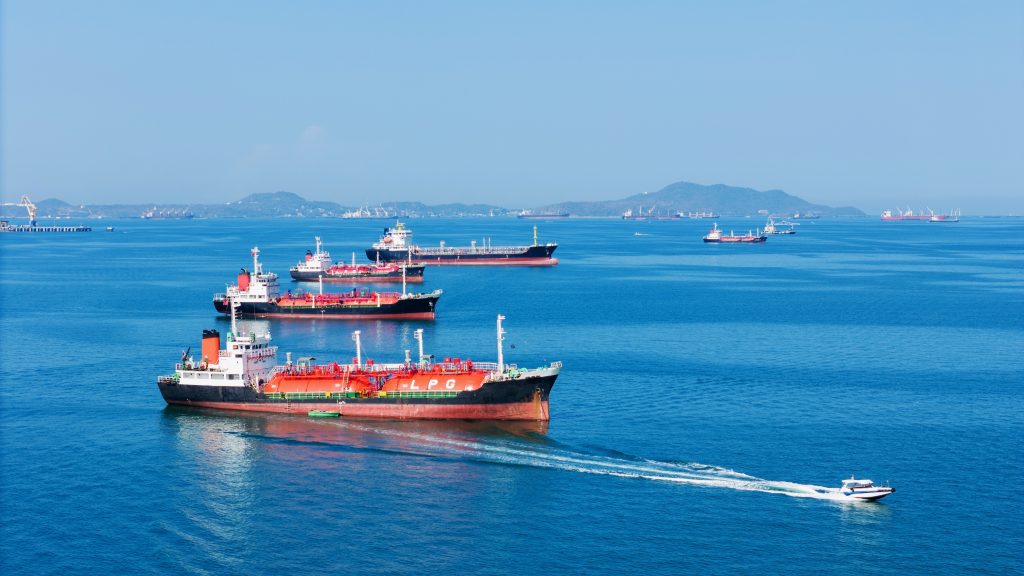
The closure of the Strait of Hormuz to all commercial shipping marks a significant escalation in regional geopolitical risk, effectively severing one of the world's most critical maritime chokepoints for energy transit. By declaring the route a target zone for any approaching vessels, Iran has introduced an immediate supply chain disruption that threatens to bypass standard risk premiums currently priced into global energy markets. This development forces a rapid reassessment of logistics for major oil and gas exporters who rely on the passage for international distribution.
Impact on Global Energy Logistics
The Strait of Hormuz facilitates the movement of a substantial portion of the world's daily oil production. With the route now effectively shuttered, the immediate consequence is a forced redirection of tanker traffic, which increases transit times and operational costs for energy companies. This disruption impacts the broader stock market analysis by pressuring input costs for energy-intensive industries and creating uncertainty for companies with significant exposure to Middle Eastern supply chains. The inability to utilize this corridor forces a reliance on alternative, less efficient pipelines or longer maritime routes, which will likely manifest in elevated spot prices for crude and refined products.
Sectoral Read-Through and Valuation Risks
Industrials and consumer cyclical sectors face the most direct exposure to this volatility. Companies that maintain lean inventory models or rely on just-in-time delivery systems are particularly vulnerable to the sudden cessation of maritime traffic. For instance, firms like Amer Sports, Inc. (AS stock page) and Bloom Energy Corp (BE stock page) operate within environments where supply chain stability is a key component of their operational Alpha Score, currently sitting at 47/100 and 46/100 respectively. These scores reflect a mixed outlook that may face downward pressure if the closure persists and begins to impact manufacturing schedules or distribution capabilities.
- Immediate cessation of tanker traffic through the Strait of Hormuz.
- Heightened security risks for commercial vessels in the Persian Gulf.
- Forced rerouting of global energy supplies increasing logistics costs.
- Potential for sustained upward pressure on global energy spot prices.
Market participants are now shifting focus toward the duration of the closure and the potential for diplomatic intervention. The primary marker for the next phase of this event will be the response from international maritime authorities and the subsequent adjustments in insurance premiums for vessels operating in the broader region. Any indication that the closure will extend beyond the immediate term will likely trigger a broader repricing of risk across energy-dependent equities. The next concrete indicator will be the status of pending tanker departures from regional ports, which will serve as a proxy for the efficacy of the current security warnings and the viability of alternative transit routes.