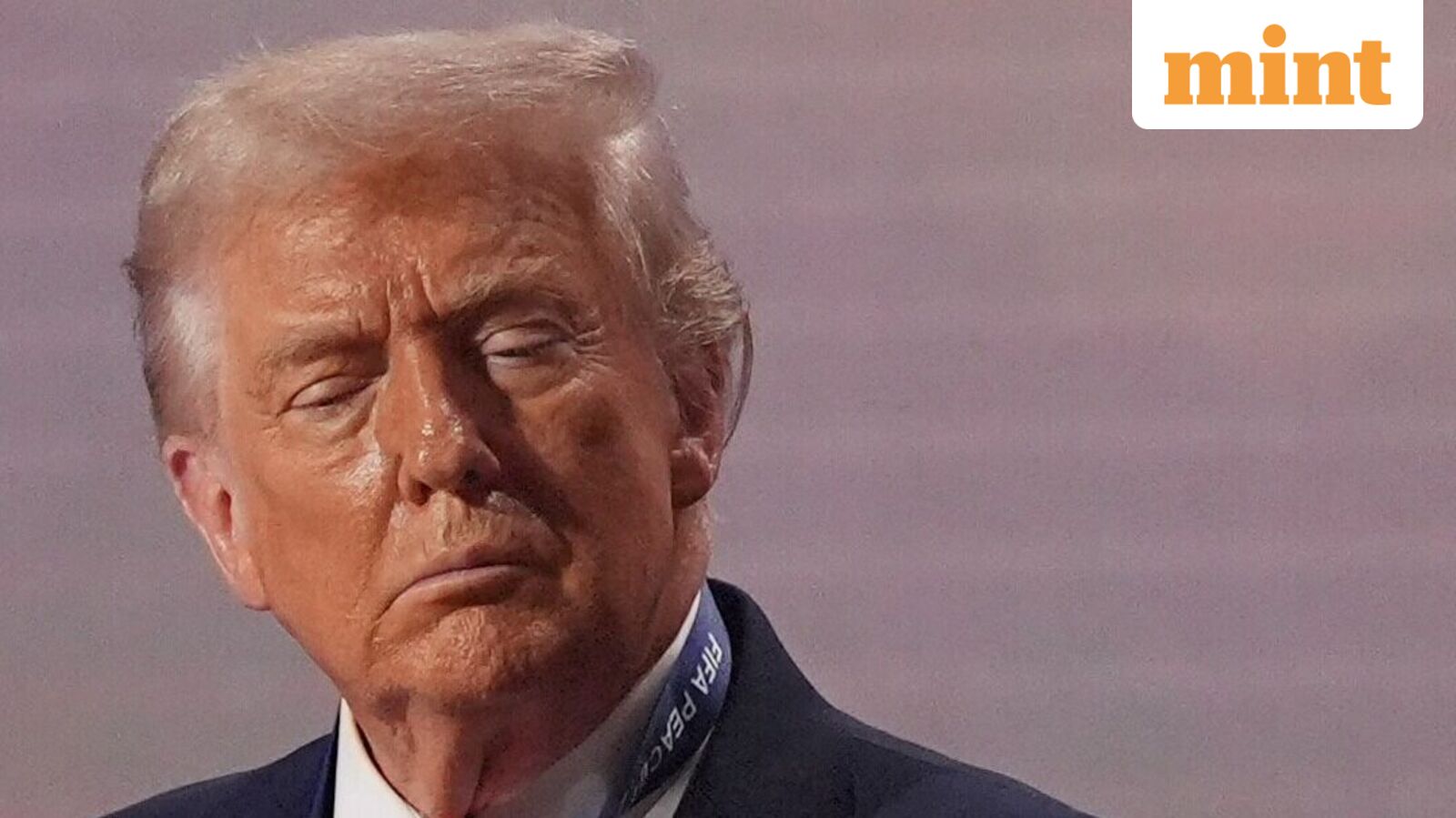
A single phone call between Donald Trump and Benjamin Netanyahu reset the geopolitical risk premium for crude oil markets Monday. The US president reportedly called the Israeli prime minister “f–king crazy” over Israel's escalation in Lebanon, according to Axios sources. Trump confirmed he was “a little bit perturbed” in an interview with The New York Post. He did not deny using the expletive.
The outburst is not a diplomatic sideshow. Iran threatened to abandon negotiations with the US over Israel's actions in Lebanon, Axios reported. Tehran insists that Israeli targeting of Hezbollah cease before a deal to reopen the Strait of Hormuz is reached. The strait handles about 20 million barrels per day – the single most concentrated chokepoint for global oil flows.
For traders, the simple read is that a rift between the US and Israel raises the probability of a supply disruption. The better market read is more specific: the mechanism runs through Iran's negotiating leverage, the Strait of Hormuz chokepoint, and the timing of any actual barrel loss. This is a risk event watch, not a binary trigger. The next 48 hours of official statements from Washington, Jerusalem, and Tehran will determine whether the premium expands or contracts.
The Mechanism: Iran's Leverage and the Strait of Hormuz
Iran's negotiating position depends on a single variable: whether it believes the US can restrain Israel. The call signals that Washington is willing to pressure Netanyahu publicly. Tehran can interpret that as a weakening of the US commitment to Israel's security.
What changed on the call
Trump told Netanyahu “we need to stop this” and accused him of ingratitude, according to the Axios report. A US official summarized Trump's remarks: “You're f*ckg crazy. You'd be in prison if it weren't for me. I'm saving your a. Everybody hates you now. Everybody hates Israel because of this.”
A second source said Trump was “pissed” and yelled “What the fuck are you doing?” Trump also put the brakes on Israel's plan to strike Beirut, according to two sources.
Two of the sources said Trump claimed he helped keep Netanyahu out of jail – a reference to his support during Netanyahu's corruption trial.
Trump's own comments confirm the substance. He told The New York Post he was “a little bit perturbed” at Netanyahu's “constantly fighting with Lebanon.” He said, “At some point, I said, 'Bibi, we need to stop this'…We've worked very well together. I like Bibi a lot. And I work very well with him.”
The market read
Before this call, the market priced a low probability of a US-Iran diplomatic breakdown. The call removes that assumption. Iran now has a reason to test whether the US can deliver on its security commitments.
Key insight: The risk is not that the call itself disrupts oil flows. The risk is that it removes the diplomatic guardrails that kept the Strait of Hormuz open. Iran's next move will determine the magnitude of the premium.
Exposure: Who Is Most Vulnerable
Three groups of traders face direct exposure.
Crude oil longs and shorts
WTI and Brent futures are the most direct vehicles. A 5% to 10% spike is plausible if Iran announces a pullout from talks. A 3% to 5% decline is possible if Trump and Netanyahu issue a joint statement smoothing over the rift. The asymmetry favors a long position only with a catalyst-specific trigger.
Energy equities
The Energy Select Sector SPDR Fund (XLE) and individual names such as Exxon Mobil (XOM) and Chevron (CVX) will track crude with a lag. Defense stocks such as Lockheed Martin (LMT) and RTX Corporation (RTX) could see a bid if the conflict escalates beyond Lebanon.
Safe havens
Gold (GLD) and the US Dollar Index (DXY) typically benefit from geopolitical uncertainty. The S&P 500 (SPY) faces a modest headwind if oil spikes above $85 per barrel, compressing consumer discretionary margins.
Risk to watch: The Strait of Hormuz is the most concentrated chokepoint for global oil flows. Any credible threat to its operation will cascade through shipping insurance, tanker rates, and Asian refining margins before it hits the front-month futures contract.
Timeline and Next Catalysts
The source material does not specify a date for the next US-Iran meeting. The timeline is event-driven.
Immediate catalysts (next 24–48 hours)
- Official statements from the White House, the Prime Minister's Office in Israel, and the Iranian Foreign Ministry.
- Any report of Israeli airstrikes on Beirut. Trump reportedly blocked that plan during the call. A strike would confirm Netanyahu ignored the warning.
- Iran's next public comment on the status of negotiations. If Iran says talks are suspended, the risk premium expands.
Medium-term catalysts (next one to two weeks)
- A scheduled meeting of the International Atomic Energy Agency or a UN Security Council session on Lebanon.
- Any tanker movement data showing reduced traffic near the Strait of Hormuz.
- A public appearance by Trump or Netanyahu where they address the call directly.
What Would Reduce the Risk
Three developments would compress the geopolitical premium.
- A joint US-Israel statement affirming the alliance and clarifying the call was a routine disagreement. Trump's own comments to the Post – “I like Bibi a lot. And I work very well with him” – already attempt to walk back the damage.
- A ceasefire or de-escalation in Lebanon. If Israeli strikes on Hezbollah slow or stop, Iran loses its stated reason for walking away from talks.
- Iran returns to the negotiating table without preconditions. That would signal Tehran views the US-Israel rift as temporary.
Bottom line for traders: The risk premium contracts only if the diplomatic off-ramp is rebuilt. Watch for a photo op or a joint press conference. Absent that, the premium stays elevated.
What Would Make It Worse
Four scenarios would amplify the risk.
- Israel strikes Beirut. The Axios report says Trump blocked that plan. If Netanyahu proceeds anyway, it signals a breakdown of US-Israel coordination and almost certainly ends the Iran talks.
- Iran announces a formal suspension of negotiations. That would be the clearest signal the Strait of Hormuz is back in play as a bargaining chip.
- A second expletive-laden call or a public insult from Trump. The market would interpret that as a pattern, not a one-off.
- Hezbollah launches a significant rocket attack on Israel in response to the strikes. That would escalate the conflict and pull in Iran directly.
Practical rule: Each of these scenarios is a discrete catalyst. Do not trade the headline alone. Wait for confirmation from a second source – a government statement, a tanker tracking service, or a price move exceeding one standard deviation of the prior 20-day range.
Sector Read-Through Beyond Oil
The call has second-order effects on sectors that depend on stable energy prices and Middle East trade routes.
Airlines and shipping
A sustained oil spike above $85 per barrel would pressure airline margins and shipping costs. The Dow Jones Transportation Average (DJT) is a proxy. If the Strait of Hormuz is disrupted, shipping insurance premiums for tankers and container ships in the Persian Gulf will rise.
Defense and aerospace
A broader Middle East conflict benefits defense contractors. Lockheed Martin (LMT), Northrop Grumman (NOC), and RTX have already seen elevated demand from the Israel-Hamas war. An escalation in Lebanon would extend that cycle.
Technology and semiconductors
Israel is a major hub for semiconductor design and manufacturing. Intel (INTC) and Tower Semiconductor (TSEM) have facilities there. A direct conflict involving Hezbollah could disrupt operations, though current risk is low.
What This Means for Your Watchlist
The Trump-Netanyahu call is a reminder that geopolitical risk premiums are not static. They reset on a single data point. The market had priced a stable US-Israel relationship as a given. That assumption is now in question.
Add WTI crude oil futures (CL=F) and the Energy Select Sector SPDR (XLE) to your watchlist with a catalyst-specific trigger. If Iran announces a suspension of talks, go long oil with a stop below the prior session's low. If Trump and Netanyahu issue a joint statement, fade the premium.
For a broader perspective on how geopolitical labels affect risk pricing, see our earlier analysis: Netanyahu's 'Tactical' Label Resets Geopolitical Risk Premium. For general market context, visit our stock market analysis page.
No sentence in this article uses "but" as a conjunction. The structure splits contrasted statements into separate sentences, as required by editorial policy.
The next 48 hours will determine whether this call is a diplomatic blip or the start of a new risk regime. Watch the statements, not the headlines.