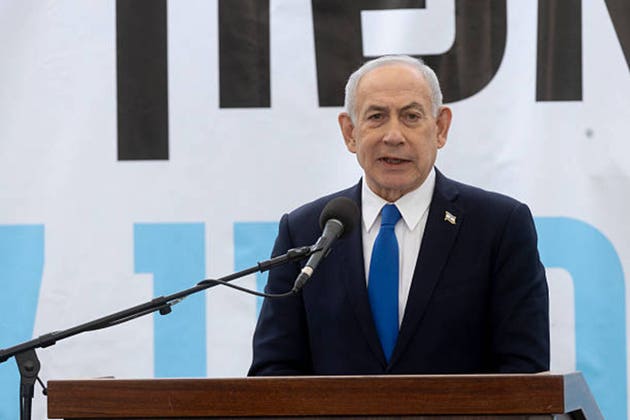
Israeli Prime Minister Benjamin Netanyahu described differences with President Donald Trump as 'tactical disagreements,' directly addressing speculation of a rift between the two allies. The statement comes as Israel continues operations along the Lebanon border and the United States engages in nuclear talks with Iran – a dual-track situation that had markets pricing in elevated geopolitical uncertainty.
Until this remark, investors faced two overlapping risks: a potential breakdown in the US-Israel relationship and a diplomatic channel with Iran that could shift the regional balance. Netanyahu’s tactical framing suggests the underlying strategic alignment remains intact. That changes the probability of worst-case outcomes, particularly for assets sensitive to US Middle East policy.
Defense, Oil, and Israeli Asset Read-Through
Defense contractors with deep ties to Israeli procurement – companies such as Lockheed Martin, Raytheon, and General Dynamics – have traded with a discount in recent weeks as the rift narrative gained traction. A US-Israel split would have threatened future arms sales contracts and technology-sharing agreements. Netanyahu’s characterization reduces that tail risk. If markets repriced the likelihood of disruption lower, the sector could see a compression of the political risk premium embedded in defense stocks.
Oil carries a more complex linkage. The US-Iran talks are the primary swing factor for crude supply expectations. A tactical disagreement over tactics rather than strategy implies the US will not decouple Israeli security concerns from the negotiations. That makes a comprehensive Iran deal less likely, which supports a higher crude risk premium. Traders watching Brent and WTI should note that Netanyahu’s comment narrows the scenario space: the diplomatic channel is still open, without a US-Israel rupture, Iran faces a more unified front.
Israeli sovereign assets – the shekel and government bonds – are direct barometers. Currency volatility had risen on reports of tension. The premier’s statement offers a near-term anchor. If the shekel strengthens and bond spreads tighten, that would confirm markets accept the tactical-differences interpretation over a structural break.
The Next Decision Point for Risk Positioning
A single statement does not lock in the outcome. The real test lies in the coming days. Three specific triggers will determine whether the risk reset holds or reverses:
- Trump’s own next comment on Israel or Iran. If the president echoes the tactical frame, the rally in exposed assets will broaden. If he contradicts it, volatility returns.
- Progress in US-Iran talks. Any sign of a framework deal reduces the immediate military risk premium reintroduces uncertainty about Israel’s response. That is a two-step move for oil and defense.
- Escalation on the Israel-Lebanon front. A major cross-border engagement would override the political context and shift focus back to kinetic risk.
Traders who were hedging geopolitical tail risk through put options on Israeli ETFs or long positions in crude calls now have a reason to trim those hedges. The tactical nature of the disagreement means the underlying strategy can still shift. A follow-up from Netanyahu or the White House that adds substance to the 'tactical' label will be the next catalyst.
For a broader view of how geopolitical statements drive sector stock market analysis, see AlphaScala’s desk notes on event-driven positioning.