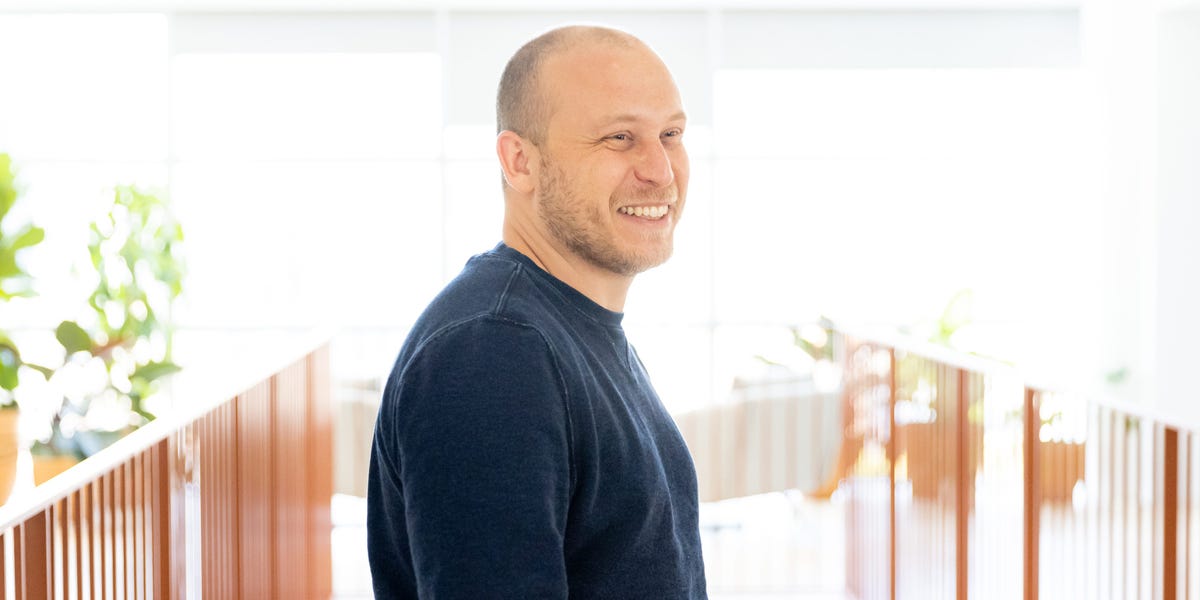
Boris Cherny, the engineer behind Anthropic's Claude Code, told a Y Combinator audience over the weekend that the biggest mistake users make with AI coding agents is treating them like junior employees who need every step spelled out.
'For modern models, that's actually really not the way to do it,' Cherny said. Users who write prompts that specify a rigid sequence of steps are working against the model's strengths, he said.
Cherny's advice runs counter to the instinct many developers developed with earlier, dumber language models. Those required precise choreography. The new generation, he argued, performs better when given a clear outcome and left to figure out the route.
'Describe the task, set the guardrails, and define what a successful completion looks like,' Cherny said. 'Then just go let the model cook and come back in a little bit. I think it'll surprise you.'
The approach mirrors a concept Andrew Ng, the Google Brain cofounder, called 'lazy prompting' last year. Ng argued that as models improve, users should add details to prompts only when the model asks for them, not preload them.
Cherny acknowledged that his method would not have worked six months ago.
He also said Anthropic's own employees keep discovering unexpected capabilities in the models as they push them. 'There are probably dozens, if not hundreds, of useful abilities that have yet to be discovered,' Cherny said.