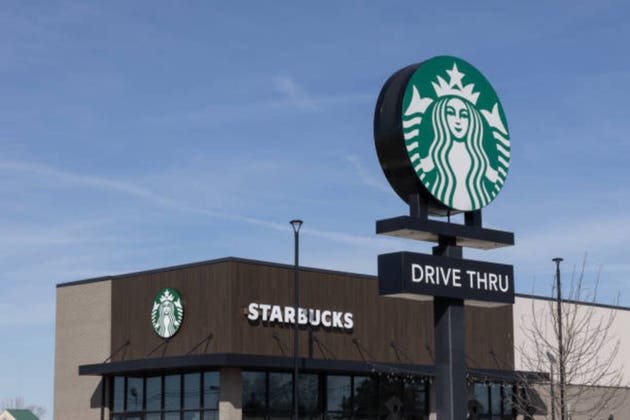
Catalyst: Starbucks Halts AI Inventory System
Starbucks (SBUX) paused its AI inventory tool across North America after glitches caused stock errors at 11,000 stores. The system, designed to automate tracking of supplies like cups, lids, and coffee beans, instead generated inaccurate counts that led to overstocking or empty shelves. The reversal forces store teams to revert to manual stock checks, a slower and more labor-intensive process.
The tool was a key piece of Starbucks’ efficiency drive, meant to reduce the 20-plus hours per week that managers spend on inventory. By replacing that with real-time camera and sensor data, the company aimed to free up labor and cut waste. The glitch, however, proved the technology is not yet ready for the complexity of thousands of individual store layouts and product flows.
Why the Glitch Matters for SBUX’s Operating Costs
The naive read is that a software bug can be fixed in a sprint. The better market read is that this pause exposes a structural risk to Starbucks’ margin story. Manual stock counting is expensive: each hour a manager spends counting inventory is an hour not spent on customer service or sales execution. With wage inflation still pressuring labor costs, any delay in automation pushes those costs higher.
Beyond direct labor, inventory errors degrade the customer experience. An out-of-stock Frappuccino base or too many seasonal cups misallocated across stores hurts both sales and brand loyalty. The glitch compounds that: store teams spent extra time correcting errors from the tool, negating the intended efficiency.
Competitors watching this rollout will note the cautionary tale. McDonald’s and Dunkin’ are also testing AI-powered inventory and demand forecasting. A high-profile failure at Starbucks could slow industry adoption, as operators wait for more proven systems. That makes the fix timeline more consequential than a single company bug.
The Decision Point: What to Watch Next
Starbucks has not disclosed a timeline for restarting the AI tool. The next concrete marker is the company’s next quarterly earnings call, where management may address the issue in guidance or operational commentary. Key questions: Has the tool been fully removed or just paused? Are there cost implications from scrapping the initial deployment? Will the company pursue a different vendor or build in-house?
For traders and analysts tracking SBUX, this event also touches the Alpha Score 62/100 (Moderate) reading for the stock, placing it in the Consumer Discretionary sector on the SBUX stock page. A prolonged automation setback could weigh on the efficiency narrative that underpins some of the bullish thesis.
Until Starbucks announces a fix or a revised rollout, the pause leaves the inventory automation story in limbo. The next update – whether a software patch, a vendor change, or a strategic shift – will determine whether this was a blip or a signal that AI inventory systems need more work before they can scale across 11,000 stores.