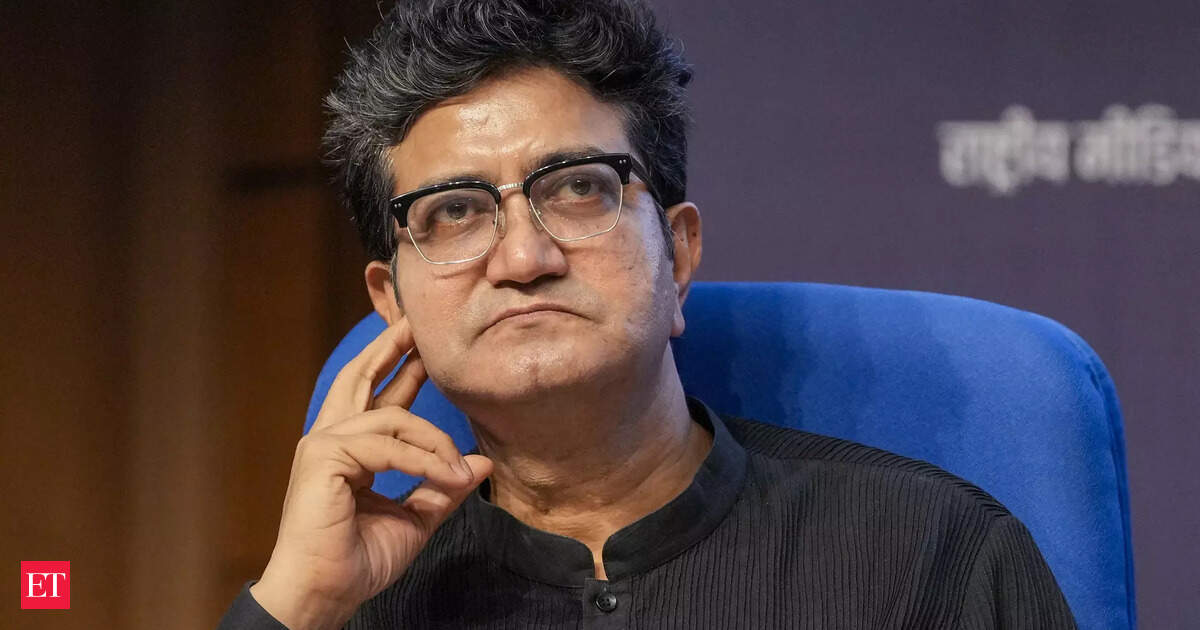
Prasoon Joshi takes the helm at India's public broadcaster, Prasar Bharati. The appointment signals a potential shift in digital strategy and policy focus.
The Ministry of Information and Broadcasting has officially appointed Prasoon Joshi as the Chairman of Prasar Bharati. This leadership transition places the public broadcaster under new oversight as it navigates its role within India's media landscape.
Prasar Bharati operates as the statutory autonomous body responsible for the management of Doordarshan and All India Radio. The appointment of a new chairman is a critical development for the organization as it balances state-mandated public service obligations with the competitive pressures of the modern digital media environment. Stakeholders are looking to see how this transition influences the broadcaster's content strategy and its ongoing efforts to modernize infrastructure.
Changes in leadership at public broadcasting entities often signal shifts in policy priorities regarding digital distribution and content reach. For the broader media sector, the focus remains on how Prasar Bharati will leverage its extensive network to compete with private players. The organization's ability to maintain its mandate while adapting to changing viewer habits will be the primary metric for success under the new chairmanship.
Investors and industry observers will monitor the first policy announcements following this appointment. The immediate focus is on whether the new chairman will prioritize the expansion of digital platforms or focus on the revitalization of traditional broadcast assets. Any shift in budgetary allocation or strategic partnerships will serve as the next concrete marker for the organization's future direction.
This leadership change occurs as the stock market analysis sector continues to evaluate the impact of regulatory shifts on media entities. While Prasar Bharati is a public broadcaster, its strategic moves often influence the competitive dynamics for private media firms.
AI-drafted from named sources and checked against AlphaScala publishing rules before release. Direct quotes must match source text, low-information tables are removed, and thinner or higher-risk stories can be held for manual review.