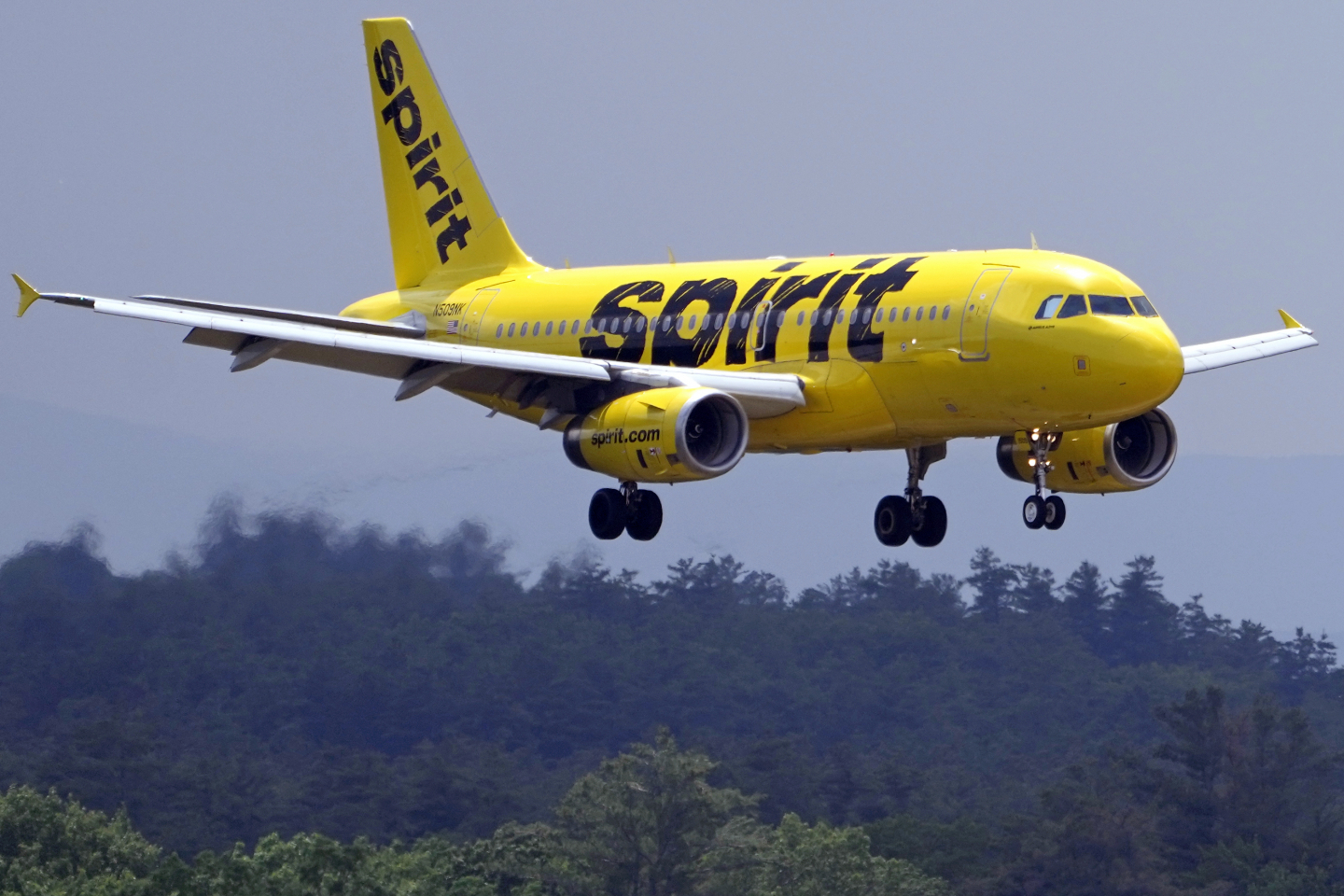
The collapse of Spirit Airlines, which resulted in the immediate cessation of all operations and the displacement of 17,000 employees, serves as a stark case study in the unintended consequences of aggressive antitrust intervention. While the narrative surrounding the carrier often focused on its aggressive fee structures and budget-focused business model, the structural failure of the company was accelerated by the regulatory blockade of its proposed $3.8 billion acquisition by JetBlue. By preventing this merger, federal regulators effectively removed the only viable path for Spirit to achieve the scale necessary to survive in an environment defined by volatile fuel costs and high capital intensity.
The Regulatory Veto and Market Consolidation
In 2023, the Department of Justice, supported by Senator Elizabeth Warren and Transportation Secretary Pete Buttigieg, initiated litigation to block the JetBlue-Spirit merger. The legal challenge culminated in a January 2024 ruling by U.S. District Judge William Young, who determined that the consolidation would substantially lessen competition. This decision was framed by proponents as a victory for the consumer, intended to prevent the industry from becoming a duopoly akin to a Coke and Pepsi dynamic. However, the market reality has proven far more punitive. By forcing a standalone existence upon a carrier already struggling with debt and operational pressures, regulators ensured that the competitive pressure Spirit provided would eventually evaporate entirely rather than being integrated into a stronger, more stable entity.
Operational Fragility and Fuel Volatility
Spirit’s business model relied on high-volume, low-margin throughput, a strategy that requires consistent liquidity and predictable operating costs. Following the failed merger, the airline faced a dual crisis: a massive debt load and surging jet-fuel prices exacerbated by regional instability in Iran. The company filed for Chapter 11 bankruptcy protection twice since late 2024. Despite attempts to restructure, the lack of a strategic partner left the firm unable to absorb the shocks of the current economic cycle. The absence of a private-sector lifeline—which the JetBlue deal would have provided—meant that when creditor negotiations collapsed, there was no remaining buffer to prevent a total wind-down.
Sector Read-Through and Fare Inflation
For investors tracking the broader aviation space, the exit of an ultra-low-cost carrier (ULCC) creates a vacuum in the pricing hierarchy. Industry analysts project that average round-trip fares on routes previously serviced by Spirit will rise by 20-25%. This shift is not merely a localized event; it represents a fundamental change in the competitive landscape for domestic travel. With one fewer player to force price discipline on legacy carriers, the floor for ticket prices is likely to rise significantly. This creates a tailwind for larger, full-service carriers that can now capture market share without the threat of predatory pricing from a desperate, cash-strapped competitor.
Valuation and Risk Framework
Investors should distinguish between the systemic risk of the airline industry and the idiosyncratic risks that led to this specific failure. Airlines remain a capital-intensive, highly regulated sector where political intervention can alter the competitive landscape overnight. While some market participants may view the current environment as an opportunity to rotate into larger, more stable carriers, the risk of further regulatory scrutiny remains elevated. The failure of Spirit demonstrates that even a company with a clear market niche can be rendered unviable when its ability to execute strategic transactions is curtailed by political mandates.
For those evaluating the broader industrial sector, the LUV stock page provides a reference point for how legacy carriers are navigating these shifting regulatory and economic winds. The current environment favors companies with strong balance sheets and the ability to withstand both fuel price volatility and the potential for future antitrust interference. Conversely, companies that rely on high-leverage growth strategies are now facing a much narrower margin for error. The lesson for the market is that regulatory protectionism often results in the exact outcome it seeks to avoid: less competition, higher consumer prices, and a more fragile industrial base. As the industry recalibrates, the focus will shift toward which carriers are best positioned to absorb the capacity previously held by Spirit, and whether the current regulatory climate will permit any further consolidation to address the resulting inefficiencies.