Stocks● Neutral
SpiceJet and Akasa Lead Race for ₹5,000 Crore Aviation ECLGS
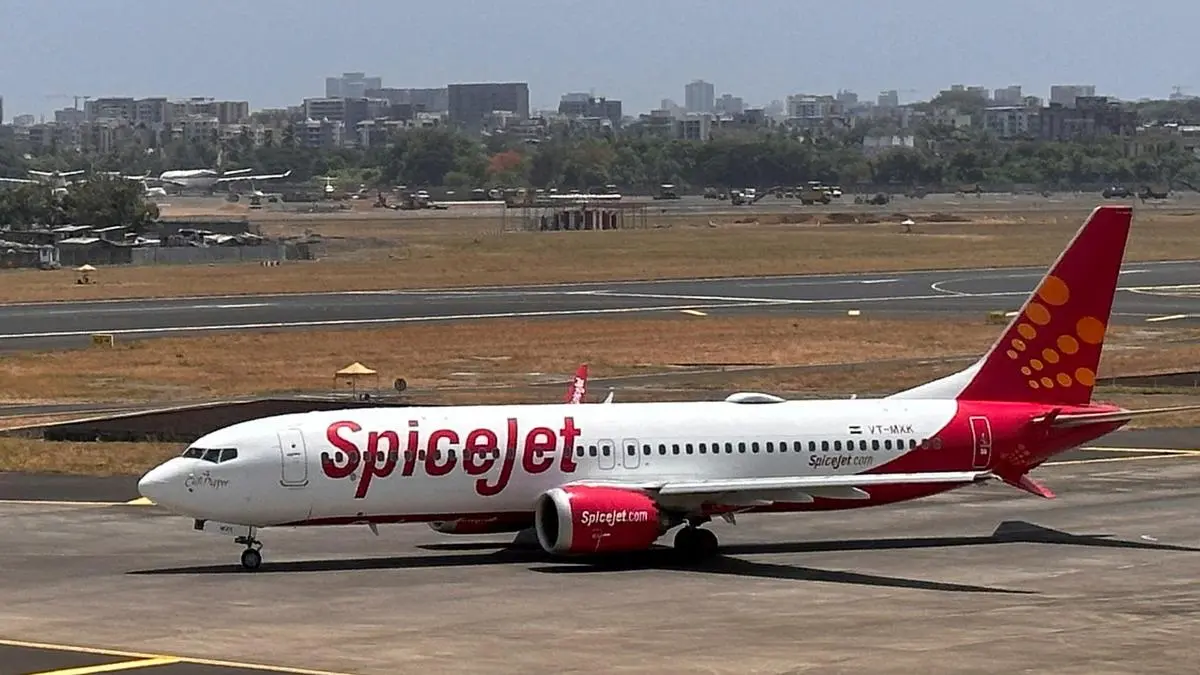
SpiceJet and Akasa Air are frontrunners for the ₹5,000 crore aviation ECLGS 5.0. The scheme offers up to ₹1,500 crore per borrower to manage liquidity stress.
Continue with
The Indian aviation sector faces a critical liquidity inflection point as the Union Cabinet officially approved the fifth iteration of the Emergency Credit Line Guarantee Scheme (ECLGS 5.0). With a dedicated ₹5,000 crore allocation carved out specifically for airlines, the policy aims to mitigate the operational and financial fallout stemming from the ongoing West Asia crisis. Industry sources have identified SpiceJet and Akasa Air as the primary candidates positioned to tap into this credit window, which is designed to stabilize carriers grappling with route disruptions and escalating cost pressures.
Mechanics of the Aviation Credit Facility
The structure of the ECLGS 5.0 for aviation is distinct from the broader MSME support framework. The Ministry of Civil Aviation has mandated that Member Lending Institutions receive a 90 per cent credit guarantee coverage through the National Credit Guarantee Trustee Company Ltd. This risk-sharing mechanism is intended to encourage banks to extend liquidity to carriers that might otherwise face restricted access to capital markets. The terms are structured to provide immediate relief, featuring a seven-year loan tenure and a provision that allows borrowers to convert up to 50 per cent of interest obligations into a Funded Interest Term Loan. This specific feature is designed to alleviate near-term cash flow constraints, effectively deferring the burden of debt servicing during the most volatile periods of the current geopolitical climate.
Capital Limits and Promoter Requirements
The scheme introduces a tiered approach to borrowing capacity, which is essential for understanding the potential impact on individual airline balance sheets. While the broader ECLGS framework caps additional credit at 20 per cent of peak working capital, the aviation-specific window allows for an extension up to 100 per cent of peak working capital, subject to a hard cap of ₹1,500 crore per borrower. The base access level is set at ₹1,000 crore, with a secondary provision allowing for an additional ₹500 crore infusion, contingent upon the airline’s promoters contributing an equivalent amount of capital. This requirement serves as a structural safeguard, ensuring that the government-backed credit is paired with internal equity, thereby aligning the interests of existing shareholders with the long-term solvency of the carrier.