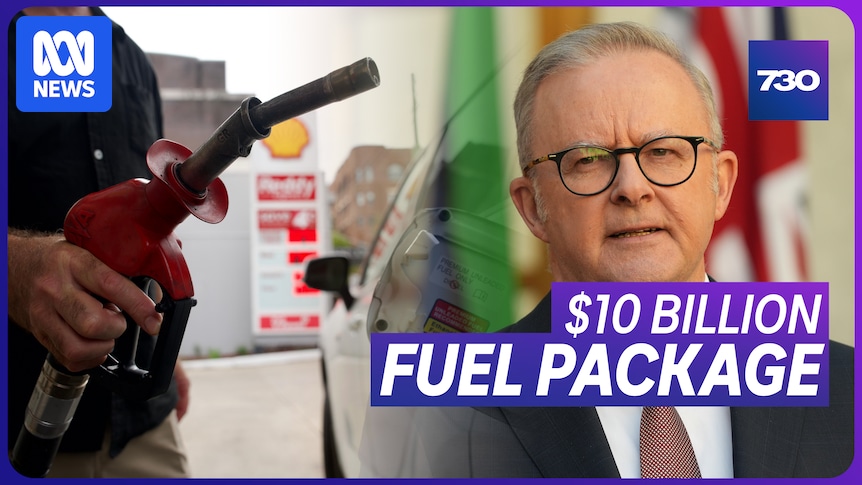
The Australian government has unveiled a $10 billion fuel security package aimed at fortifying the nation against future oil supply shocks. This capital commitment arrives just days before the federal budget, signaling a shift in how the state manages energy vulnerability. By allocating this funding, the government intends to expand domestic storage capacity and ensure that critical fuel reserves remain accessible during periods of global market volatility.
Strategic Reserve Expansion and Supply Chain Resilience
The core mechanism of this $10 billion initiative focuses on the physical accumulation of fuel stocks. Australia has historically relied on international supply chains to meet its liquid fuel demands, leaving the economy exposed to sudden disruptions in global shipping or geopolitical friction in major production hubs. By increasing domestic inventory, the government is essentially creating a buffer against the price spikes often seen in commodities analysis when supply lines are severed or constrained.
This move is not merely about storage. It involves a structural change in how the country manages its energy inventory. For traders, the primary interest lies in whether this mandate forces a shift in domestic refining output or if it necessitates a sustained increase in long-term import contracts. If the government mandates higher minimum stock levels for private industry, the resulting cost of carry could impact margins for local fuel distributors and logistics firms. The policy effectively places a floor under domestic demand for refined products, even if global prices remain volatile.
Market Impact and Inventory Dynamics
While the headline figure is $10 billion, the market impact will be determined by the speed of deployment and the specific assets targeted. If the funds are directed toward building new storage infrastructure, the construction phase may provide a localized boost to industrial demand. However, the more significant market signal is the government's willingness to intervene directly in the supply chain to mitigate the risks associated with US Crude Inventories Drop 8.1 Million Barrels in May 1 Week.
Investors should look for the specific legislative framework that accompanies the budget announcement. The distinction between government-owned reserves and mandated private-sector stockpiling is critical. Mandated private stockpiling acts as a tax on the sector, whereas government-owned reserves represent a direct fiscal injection into the energy market.
In the broader technology sector, firms like EPLUS INC (PLUS) continue to navigate shifting macroeconomic conditions, currently holding an Alpha Score of 53/100. You can track further developments on the PLUS stock page to see how broader industrial policy affects mid-cap valuations.
The next decision point for the market will be the release of the full federal budget documents next week. These documents will clarify the timeline for the $10 billion expenditure and whether the plan includes subsidies for domestic refining or focuses exclusively on storage logistics. Traders should monitor the specific allocation of these funds, as the distinction between infrastructure investment and direct fuel procurement will dictate the immediate impact on regional energy price benchmarks.