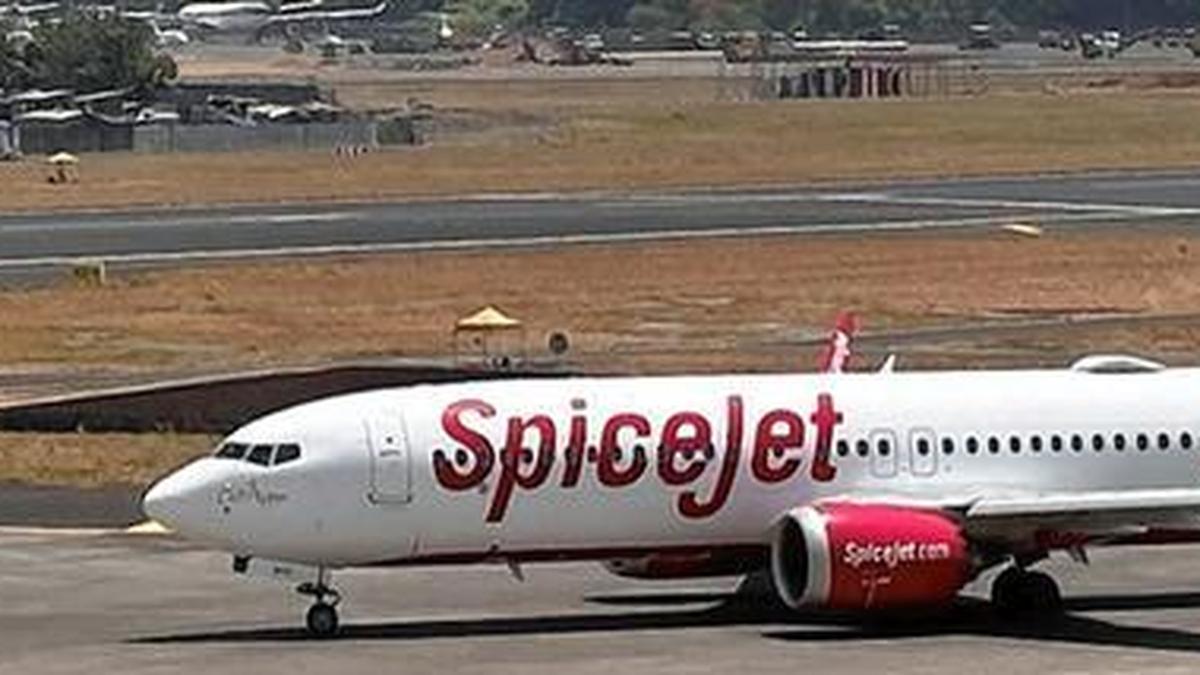
SpiceJet is expanding its fleet through two parallel moves: a damp-lease agreement for three Airbus A320 aircraft and the return of a Boeing 737 MAX to commercial service. The airline currently operates 21 aircraft total. The three A320s are scheduled to join the fleet in July 2026, while the ungrounded 737 MAX has already resumed revenue flights.
The Fleet Math and the Capacity Gap
A 21-aircraft fleet is small for a carrier that once operated over 60 planes. SpiceJet has been running a leaner network since its restructuring, and the addition of three narrowbodies represents a roughly 14% increase in unit count. The damp-lease structure means SpiceJet takes the aircraft with crew, maintenance, and insurance from the lessor, which reduces the capital outlay and the time needed to bring the planes into service.
What this changes: The airline gains incremental seat capacity for the July peak season without committing to long-term ownership. The risk is that damp leases carry higher per-block-hour costs than dry leases or owned aircraft, which compresses margin on the routes these planes fly.
Why the 737 MAX Return Matters More Than the A320 Add
The 737 MAX grounding was a multi-year drag on SpiceJet's operational reliability. Returning one MAX to service signals that the airline has resolved whatever maintenance or regulatory hold kept it parked. The MAX offers better fuel efficiency than the older 737 NGs in the fleet, which directly lowers the cost per available seat kilometer (CASK) on routes where it operates.
The read-through for the sector: A functioning MAX fleet gives SpiceJet more flexibility to compete on trunk routes against IndiGo and Akasa Air, both of which operate larger, younger fleets. If SpiceJet can unground additional MAX units, the capacity effect compounds. If this is a one-off return, the impact stays marginal.
The Damp Lease Mechanism and Execution Risk
A damp lease transfers operating risk to the lessor for crew scheduling and maintenance, the airline still bears the commercial risk – filling seats at a fare that covers the lease cost plus its own overhead. SpiceJet's load factor and yield data for the June quarter will determine whether the A320s generate positive unit economics or simply add supply to an already competitive market.
What to Track Next
The next quarterly filing will show the utilization rate of the returned 737 MAX and the load factor on the new A320 routes. Investors should also watch for any additional ungrounding announcements – each MAX returned to service improves fleet age and fuel cost. The key risk is that SpiceJet's cash flow from operations must cover the lease payments without relying on equity raises or asset sales.
For broader context on how fleet moves affect airline valuations, see AlphaScala's stock market analysis for the sector. The BA stock page tracks Boeing's delivery pipeline, which influences MAX availability for carriers like SpiceJet.
The fleet additions are a positive signal for capacity growth, the margin impact depends on execution. Watch the next passenger traffic data and the airline's cost per available seat kilometer. A sustained improvement in both would confirm the operational turnaround is gaining traction.