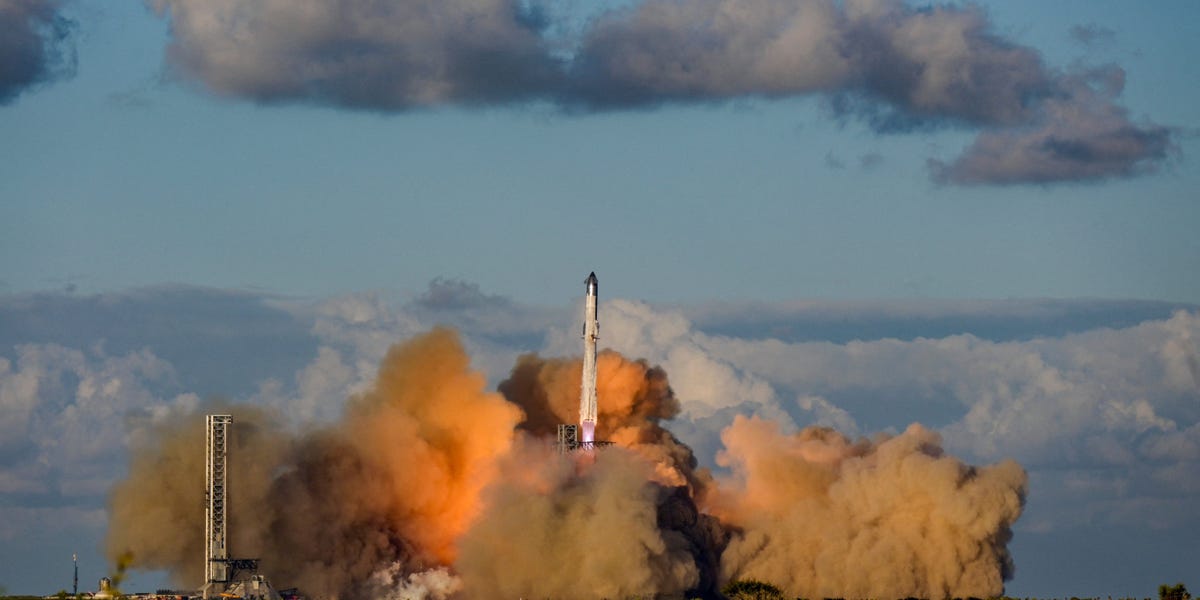
SpaceX filed its S-1 registration statement with the SEC on Wednesday, ending years of speculation about the rocket company's finances. The document gives the first public look at revenue, costs, ownership structure, and risk factors for a private company that has raised billions at valuations above $100 billion. For analysts and institutional investors, the filing transforms a closely held narrative into a set of verifiable numbers that will anchor the eventual IPO price.
The S-1 does not set an IPO price or date – those come later via the roadshow and pricing amendment. The filing itself is not a tradeable event because SpaceX shares do not trade on an exchange. The raw material inside the document – Starlink subscriber counts, government contract reliance, Starship development costs, and gross margins – now gives the market its first data-driven basis to build valuation models.
Why SpaceX Matters for the Musk Corporate Web Now
The SpaceX S-1 arrives at a moment when Elon Musk's broader corporate empire faces unusual scrutiny. Tesla has dealt with governance questions over its $660 million SpaceX deal and a delayed robotaxi timeline. Polymarket puts only a 10% chance on a Tesla robotaxi launch by June 30. The SEC has frozen prediction market ETFs, adding regulatory uncertainty around Musk's political exposure. A public SpaceX equity price creates a direct market value for Musk's largest private asset. That price feeds into his personal liquidity, his ability to pledge shares as collateral, and the governance dynamics at Tesla and X. A strong debut from SpaceX could ease pressure on Musk's other ventures. A weak debut would compound the perception of empire risk.
The article SpaceX $660M Tesla Deal Reveals Governance Risk for TSLA documented the interlocking transactions that make cross-company valuation dependencies a real risk factor. The S-1 filing amplifies that dynamic by forcing SpaceX into the quarterly disclosure cycle.
The Decision Point: IPO Price Range and Float
The next concrete catalyst is the IPO price range, expected in the weeks after the S-1 becomes effective. Roadshow presentations will test investor appetite for a company that combines high-growth Starlink revenue with capital-intensive Starship development. The float size also matters – a small float can amplify first-day volatility and create a pop, while a larger float signals confidence in long-term demand. The key risk is execution on Starship timelines and Starlink's path to positive free cash flow. The filing clarifies both.
Traders should watch for the first S-1 amendment (S-1/A), which typically adds the proposed price range and updated financials. That amendment, combined with the roadshow kickoff, will be the first real price-discovery event for SpaceX stock. Until then, the filing is a data dump, not a trade.
The SpaceX IPO also reshapes the broader Musk corporate story. Every new public disclosure from Tesla, X, or SpaceX now creates cross-reads for the others. The S-1 filing is the first time SpaceX has entered that feedback loop as a public-facing entity.
The Polymarket Puts 10% Chance on Tesla Robotaxi Launch by June 30 article highlights betting-market skepticism on Musk's timelines – a pattern investors will now apply to SpaceX's Starship milestones. If the S-1 shows SpaceX burning cash faster than Starlink revenue can offset, the IPO price may disappoint. If the opposite holds, the filing sets the stage for the most anticipated public offering of the decade.