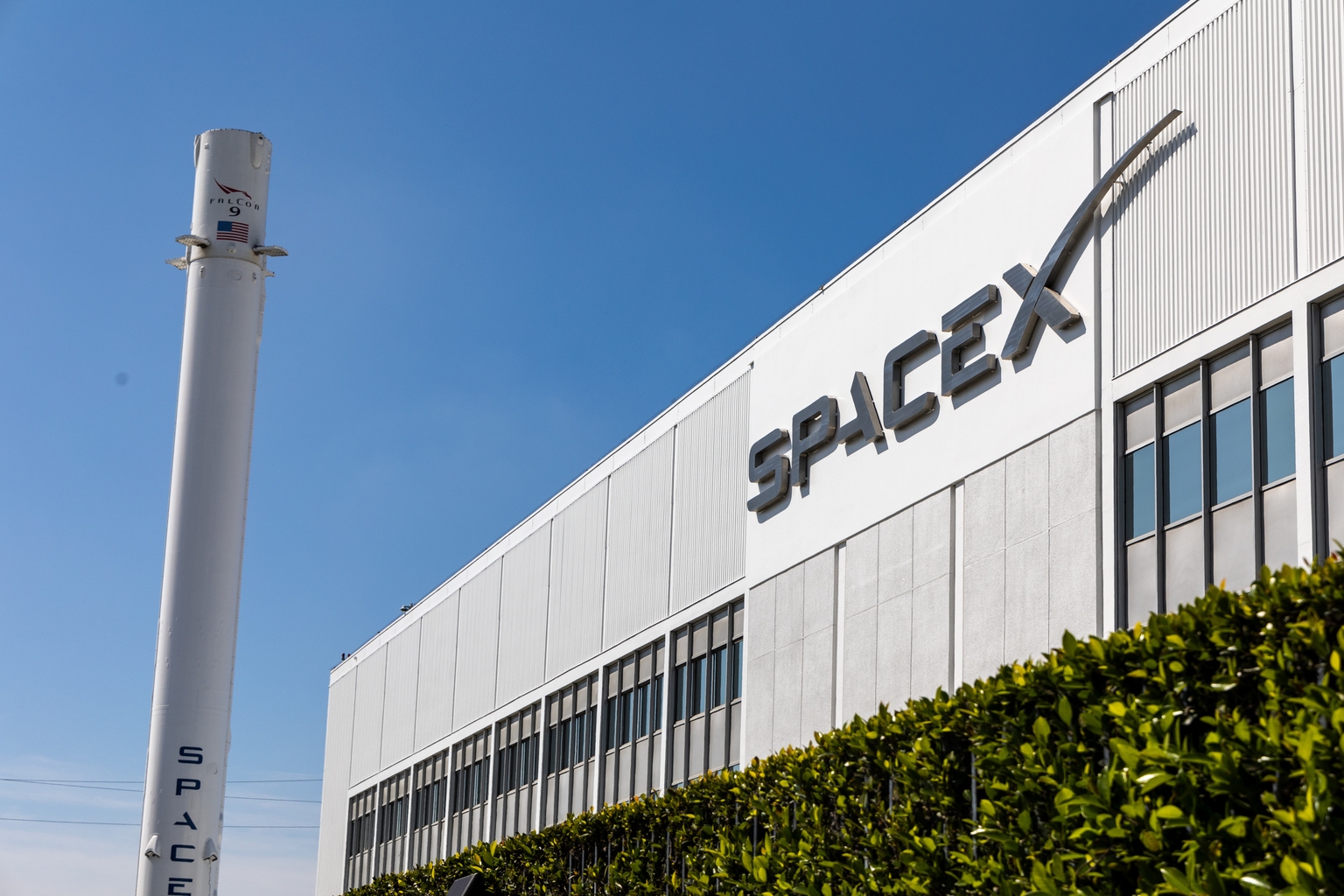
SpaceX has solidified its position as the primary architect of the modern space economy, yet the company faces a shifting competitive landscape that challenges its historical near-monopoly on launch services. While the firm maintains a dominant market share, the emergence of new private sector entrants and evolving government procurement strategies suggest a transition toward a more fragmented industry structure. This shift is the focal point for investors tracking the potential for a future public offering.
Competitive Erosion and Market Share Dynamics
The narrative surrounding SpaceX has moved from pure technological disruption to a question of sustained market saturation. As the company scales its launch cadence, it faces the reality of a total addressable market that is expanding but also becoming more crowded. The entry of well-capitalized competitors and the maturation of alternative launch technologies mean that SpaceX must now defend its lead rather than simply defining the market. Investors are evaluating whether this transition to a more competitive environment will compress margins or if the company can leverage its scale to maintain pricing power.
For those monitoring the broader industrial and aerospace sectors, the evolution of SpaceX serves as a bellwether for capital intensity and R&D cycles. Similar structural shifts in capital allocation are visible across the industrial landscape, such as those detailed in our report on Ford Motor Faces Structural Momentum Shift Amid EV Strategy Pivot. The ability to maintain operational efficiency while scaling production remains the primary hurdle for any company operating in high-barrier-to-entry sectors.
The Path Toward Public Market Integration
Speculation regarding a SpaceX IPO remains a recurring theme in private equity and venture capital circles. However, the company has historically prioritized long-term capital projects over the quarterly reporting requirements of public markets. The decision to remain private provides the flexibility to pursue aggressive R&D cycles without the immediate pressure of public equity valuation fluctuations. Any move toward an IPO would likely be preceded by a significant change in the company's capital structure or a need for liquidity to fund massive, multi-year infrastructure projects.
AlphaScala data currently tracks various industrial and communication entities with varying degrees of market sentiment. For instance, T stock page holds an Alpha Score of 59/100, reflecting a moderate outlook within the communication services sector, while BE stock page carries an Alpha Score of 46/100, indicating a mixed sentiment profile. These scores underscore the difficulty of maintaining high growth trajectories in capital-intensive industries.
The next concrete marker for the space sector will be the upcoming government contract awards and the successful deployment of next-generation launch vehicles by competitors. These events will provide the necessary data to determine if SpaceX's market share is stabilizing or if the competitive gap is narrowing. Investors should look for updates on launch frequency and satellite constellation expansion as the primary indicators of the company's ongoing operational health.