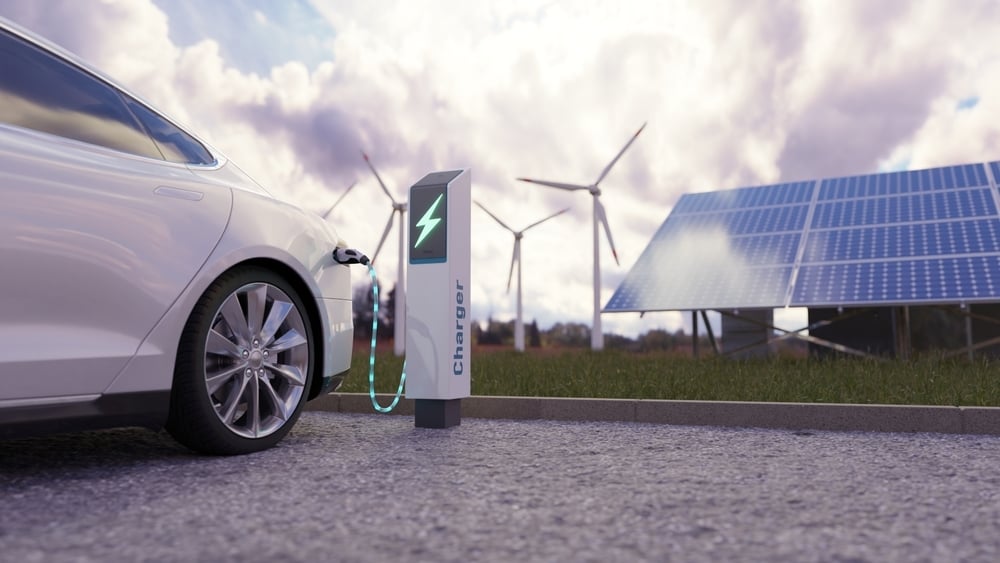
The U.S. used electric vehicle market is experiencing a structural shift as gasoline prices reach a national average of $4.446 per gallon. This surge in fuel costs, exacerbated by the ongoing conflict involving Iran, has pushed consumers toward lower-cost electrified alternatives. Data from Cox Automotive indicates that used EV sales jumped nearly 28% in March, signaling a rapid transition in buyer preference as household budgets face pressure from energy inflation.
The $25,000 Threshold and Market Segmentation
While the headline growth in EV volume is significant, the composition of these sales reveals a specific economic constraint. Stephanie Valdez Streaty, director of industry insights at Cox Automotive, noted that over 44% of used EV transactions in March involved models priced below $25,000. This suggests that the current demand is not driven by luxury adoption but by a necessity-based search for fuel-efficient transportation.
Average used EV prices have fallen 6.1% year-over-year to $34,653. Despite this decline, they remain $1,102 more expensive than the average gasoline-powered vehicle, which sits at $33,641. The narrowing gap between these two price points, combined with the volatility in the crude oil profile, is forcing a re-evaluation of total cost-of-ownership models for the average American commuter.
Legacy Automaker Exposure and Tariff Dynamics
Market participants are closely watching how legacy manufacturers like Ford Motor Company and General Motors navigate this transition while managing geopolitical headwinds. Both companies recently reported significant financial windfalls via tariff refunds, with Ford anticipating $1.3 billion and GM reporting $500 million. However, these figures are now subject to potential political scrutiny under the current administration, adding an layer of regulatory risk to their balance sheets.
In the competitive landscape, Tesla Inc. maintains a dominant position. With a current price of $390.82 and a 2.41% gain today, Tesla continues to outperform legacy rivals in both depreciation resistance and sales volume. In the first quarter of 2026, the Model Y and Model 3 combined for over 101,000 units sold, eclipsing the 99,099 total units sold by a cohort of competitors including Ford, General Motors, and Toyota. This divergence highlights a liquidity and brand preference gap that legacy automakers must bridge to capture the growing segment of value-conscious EV buyers.
Geopolitical Risk and Energy Infrastructure
Energy markets remain the primary catalyst for this shift in consumer behavior. With West Texas Intermediate (WTI) crude trading at $102.7 per barrel and Brent crude at $109 per barrel, the cost of traditional mobility is reaching levels that trigger behavioral changes. The United States Oil Fund (USO) closed at $144.55 on Friday, reflecting the market's pricing of supply chain risks in the Middle East.
As seen in California Gas Hits $6.101 as Strait of Hormuz Closure Bites, regional price spikes are already exceeding the national average. For the automotive sector, the risk is twofold: a sustained period of high oil prices could accelerate the demand for sub-$25,000 EVs beyond the current supply of off-lease vehicles, while simultaneously increasing the operational costs for manufacturers reliant on global logistics. Investors should monitor whether the influx of off-lease EVs, noted by analyst Joseph Yoon of Edmunds, can keep pace with the demand surge or if inventory shortages will force a price floor on the used EV market in the coming quarters.