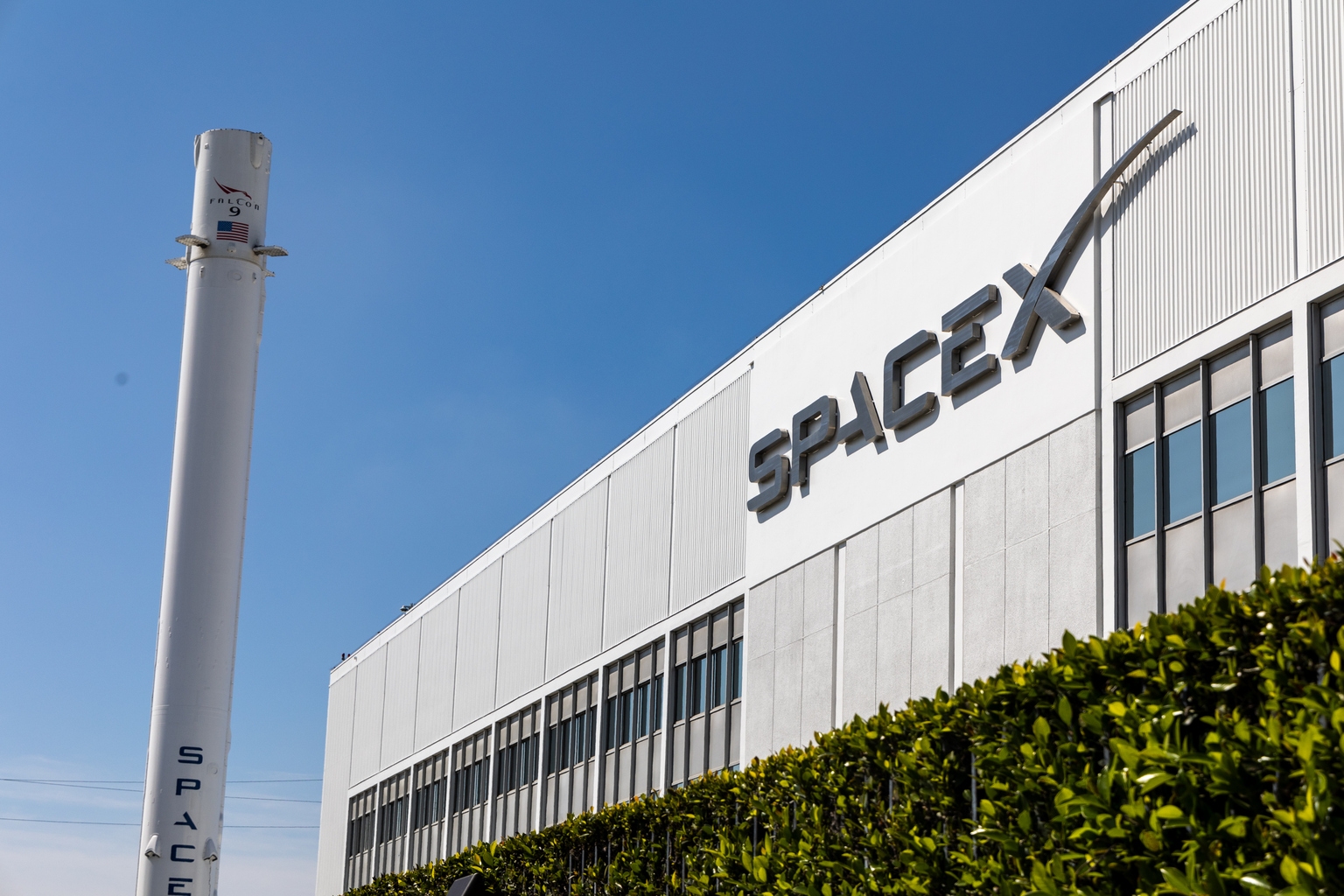
SpaceX will price its initial public offering at $135 a share, giving the company a day-one valuation of roughly $1.77 trillion. That figure tops Tesla's current market cap and sets a high bar for the rocket maker's public debut.
The offering is expected to clear next week, with underwriters allocating shares to institutional clients. Retail investors will not get access until the stock starts trading. The $1.77 trillion valuation reflects investor demand for SpaceX's Starlink satellite network and its launch business, both of which generate revenue today. Starlink alone passed 4 million subscribers in early 2025, and the company has resumed regular Falcon 9 launches after a brief grounding.
A valuation above Tesla creates a direct comparison between Elon Musk's two publicly traded companies. Tesla trades at roughly 80 times trailing earnings. SpaceX has not disclosed its own earnings in the prospectus, so the multiple comparison is not straightforward. Analysts will need to weigh the growth trajectory of Starlink against the margins of the launch business, which are narrower.
The IPO structure matters. SpaceX is listing on the Nasdaq under the ticker SPX. The company set 10% of the offering aside for retail investors through a directed share program. That allocation could amplify price volatility on the first day if retail demand outstrips institutional supply.
Watch the first-day pop. Companies with similar retail enthusiasm have seen opening gains of 30% to 50% before settling. A bigger pop could push the valuation toward $2 trillion, a level that would make SpaceX the sixth-largest U.S. company by market cap. A modest pop, below 20%, would suggest the $135 price already captured most of the upside.
Three factors will determine where the stock trades in the first month: Starlink's subscriber growth trajectory, the pace of launch cadence recovery, and any new government contracts for Starship. All three are forward-looking and hard to pin down from the prospectus alone.
The direct listing route was a possibility until last month. SpaceX chose a traditional IPO with a lockup period of six months for insiders. That means no selling pressure from early investors until late 2026, which supports the stock in the near term but creates a known overhang.
For traders, the setup is similar to other high-profile tech IPOs: high demand, uncertain float, and a narrative that shifts with each news headline. The $135 level becomes the reference point. A drop below that in the first week would signal that the offering price was too aggressive. A sustained rally above $160 would indicate the valuation has room to run.
The SEC declared the registration statement effective Wednesday evening. Trading starts Thursday, June 26, under the ticker SPX.