Macro● Neutral
Jang Dong-hyuk’s U.S. Trip Signals PPP Push for Election Stability
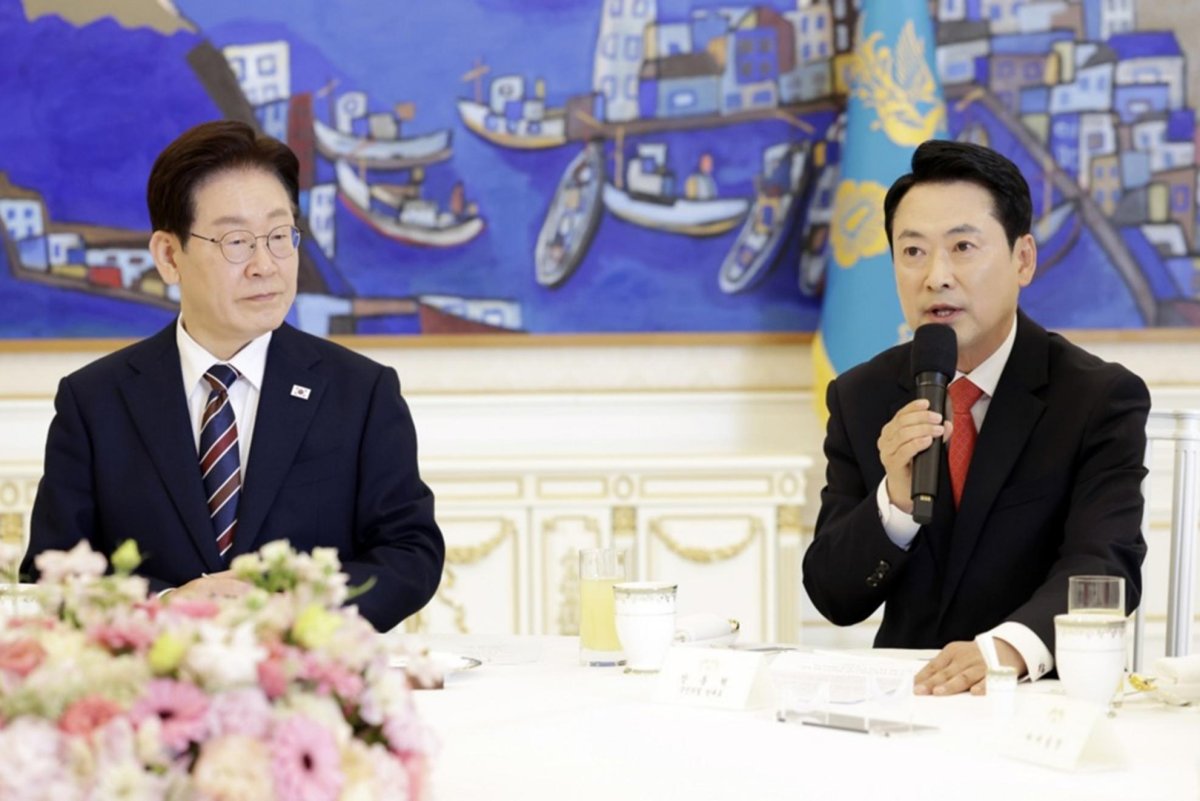
As the PPP labels local elections a critical front line, Jang’s U.S. visit aims to reassure investors of policy continuity in the world’s 13th-largest economy.
Continue with
A Critical Pre-Election Mission
Jang Dong-hyuk, a pivotal figure within South Korea’s ruling People Power Party (PPP), has announced an upcoming diplomatic mission to the United States. The trip comes at a defining moment for the party, as Jang positions the country’s forthcoming local elections as the absolute 'front line' in the struggle for national political stability and policy continuity.
For investors and market observers monitoring the Asia-Pacific region, the rhetoric surrounding these elections is significant. Jang’s framing of the local ballot as a critical juncture suggests that the PPP is preparing for a high-intensity campaign cycle. By taking his message to the U.S., Jang is likely looking to reinforce bilateral ties and signal to international stakeholders that the administration remains focused on maintaining a stable environment for foreign investment and regional security, despite domestic political headwinds.
The 'Front Line' Narrative
Jang’s characterization of the local elections as a 'front line' is more than mere political posturing; it reflects the deep polarization currently gripping South Korean domestic politics. The PPP is attempting to consolidate its influence, and a victory in the local elections is viewed by party leadership as essential to securing the legislative momentum required to push forward the administration's economic agenda.
Historically, local elections in South Korea serve as a reliable barometer for the public’s sentiment toward the central government. A strong showing for the PPP would likely be interpreted by the markets as a green light for current fiscal and regulatory policies. Conversely, a setback could signal increased gridlock, potentially complicating the government's ability to navigate inflation, interest rate adjustments, and structural reforms.