The High Cost of the Energy Transition
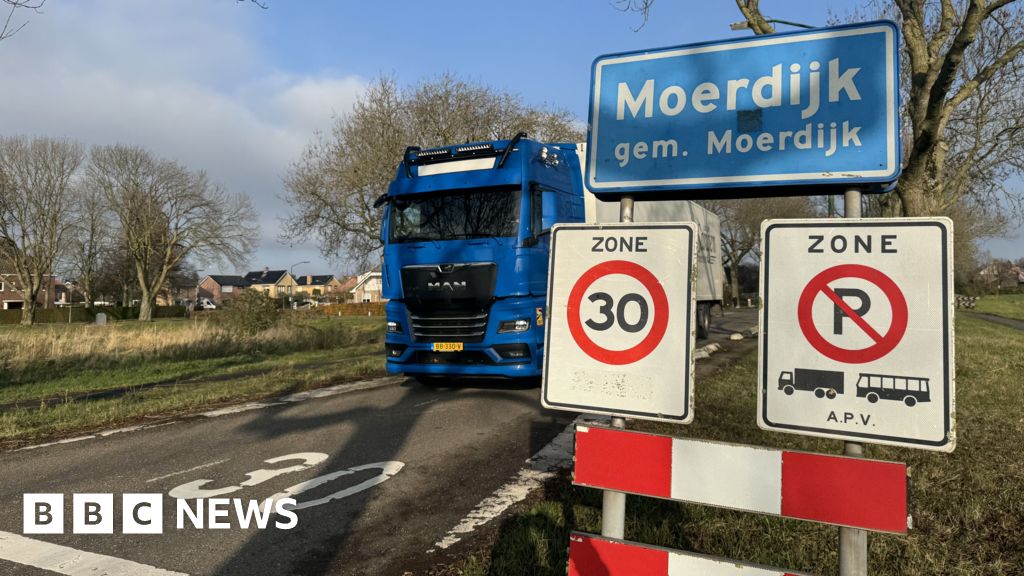
The small Dutch village of Moerdijk sits at a precarious crossroads, as local authorities and energy planners move forward with proposals that could lead to its total demolition. The village, situated in a strategic industrial zone, has been officially earmarked for removal to make way for a massive electricity substation, highlighting the growing friction between national net-zero infrastructure requirements and local community preservation.
As the Netherlands aggressively pursues its decarbonization targets, the demand for expanded grid capacity has reached a breaking point. The proposed substation in Moerdijk is not merely a local utility project; it is a critical node in the broader Dutch effort to integrate renewable energy sources into the national grid. For residents, however, the project represents an existential threat to their community, turning a quiet residential area into collateral damage in the race to modernize the energy landscape.
Infrastructure Over Inhabitants
The decision to prioritize a substation over the village stems from Moerdijk’s unique geographical position. Located near significant industrial ports and transport hubs, the area is already heavily industrialized. Planners argue that the logistical necessity of centralizing power distribution in this specific location outweighs the social cost of displacement.
For traders and analysts monitoring the European energy sector, this situation serves as a microcosm of the 'NIMBY' (Not In My Backyard) challenges that are currently slowing down major infrastructure projects across the Eurozone. While the European Union’s Green Deal mandates rapid buildouts of high-voltage grids, the legal and social battles surrounding land use continue to be a primary source of project delays, adding significant risk premiums to energy infrastructure investments.
Market Implications and Strategic Importance
What does the potential demolition of Moerdijk mean for the broader market? Primarily, it underscores the intense land-use competition that is becoming a defining feature of the energy transition. As utility companies and government bodies look to scale up, we are likely to see an increase in eminent domain disputes and protracted legal battles.
For investors in European utility firms and grid operators, this case study is a reminder that operational risk is not just about technology or regulatory approval—it is increasingly about social license. Projects that require the displacement of communities face higher political risks, longer timelines, and the potential for significant cost overruns. This volatility is a critical factor for institutional investors navigating the ESG-compliant infrastructure space.
What to Watch Next
Market observers should keep a close eye on the forthcoming public consultation phases and the potential for legal challenges from local municipal representatives. The resolution of the Moerdijk case will likely set a precedent for how the Dutch government balances industrial zoning laws against residential protections in the face of the energy crisis.
As the grid reaches capacity, the necessity for such projects will only grow. Whether Moerdijk is ultimately razed or the project is forced to adapt to a more localized, less invasive footprint will provide a clear signal on the Dutch government’s commitment to administrative efficiency versus the preservation of local heritage. Investors should remain cautious regarding the timelines of regional energy infrastructure projects in the Netherlands, as site-specific social friction remains a recurring catalyst for project deferral.