Navigating the Geopolitical Risk Premium
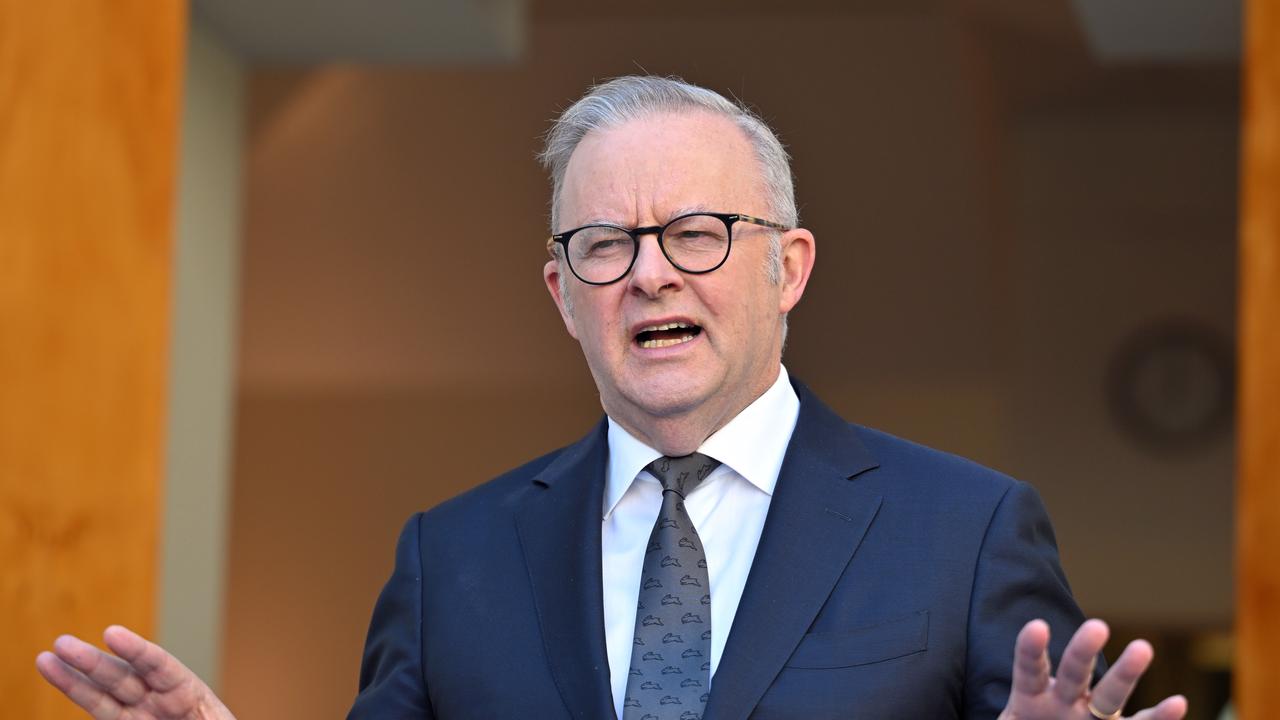
The Strait of Hormuz remains the world’s most critical maritime chokepoint, serving as a primary artery for global energy markets. As speculation swirls regarding potential U.S.-led efforts to restrict transit through the waterway—a move often associated with the aggressive foreign policy stance of Donald Trump—Australian Prime Minister Anthony Albanese has moved to clarify Canberra’s position. In a recent statement, the Prime Minister confirmed that Australia has received no request to participate in any potential blockade of the Strait, nor does the administration anticipate such a request in the near future.
This diplomatic distancing is significant for global markets, as the Strait of Hormuz handles roughly 20% of the world’s total petroleum consumption. Any formal disruption or blockade would represent a catastrophic supply-side shock, likely triggering a parabolic spike in energy prices and forcing central banks to recalibrate their inflation outlooks.
The Strategic Context of the Strait
The Strait of Hormuz, which connects the Persian Gulf to the Gulf of Oman and the Arabian Sea, acts as the primary passage for crude oil exports from Saudi Arabia, Iran, the UAE, Kuwait, and Iraq. For global traders, the "Hormuz Premium" is a constant, albeit fluctuating, variable in the pricing of crude oil futures.
Historically, the region has been a flashpoint for naval tensions. Previous threats to close the strait have historically led to immediate volatility in the Brent and WTI crude markets. By explicitly stating that Australia has not been engaged in planning for a blockade, the Albanese government is attempting to signal stability in its regional defense posture, decoupling its naval assets from potential escalations in the Middle East that could involve the United States.
Market Implications: Why Traders Should Care
For investors and traders, the Australian Prime Minister's comments serve as a cooling mechanism for geopolitical risk. When nations like Australia—a key U.S. ally and member of the Five Eyes intelligence alliance—publicly distance themselves from aggressive maritime containment strategies, it lowers the probability of a coordinated coalition-led blockade.
However, the reliance on the Strait remains an inherent vulnerability for the global economy. Traders should monitor the following indicators:
- Energy Volatility: Any shift in rhetoric from Washington regarding the Strait of Hormuz will likely manifest as a "risk-off" signal in equity markets and a "risk-on" signal for crude oil (CL) and safe-haven assets like gold (XAU/USD).
- Diplomatic Alignment: While Australia has opted out of this specific scenario, the broader U.S. strategy in the Middle East remains a key driver for long-term oil supply projections.
- Supply Chain Logistics: Any material move toward a blockade would force a rerouting of global shipping, increasing insurance premiums and transit times, which would feed directly into global inflationary pressures.
Looking Ahead: Monitoring the Chokepoints
While Canberra’s stance provides a degree of short-term assurance, the geopolitical landscape in the Middle East remains volatile. Market participants should remain cautious, as the Strait of Hormuz is not just a diplomatic issue, but a physical bottleneck for the global energy supply chain.
As we move into the next quarter, watch for further statements from the U.S. State Department and the Pentagon regarding naval posture in the Persian Gulf. Any indication that the U.S. is seeking to tighten its grip on maritime traffic in the region will likely trigger a rapid reassessment of energy risk, regardless of Australia’s stated non-involvement. For now, the status quo prevails, but the margin for error remains razor-thin.