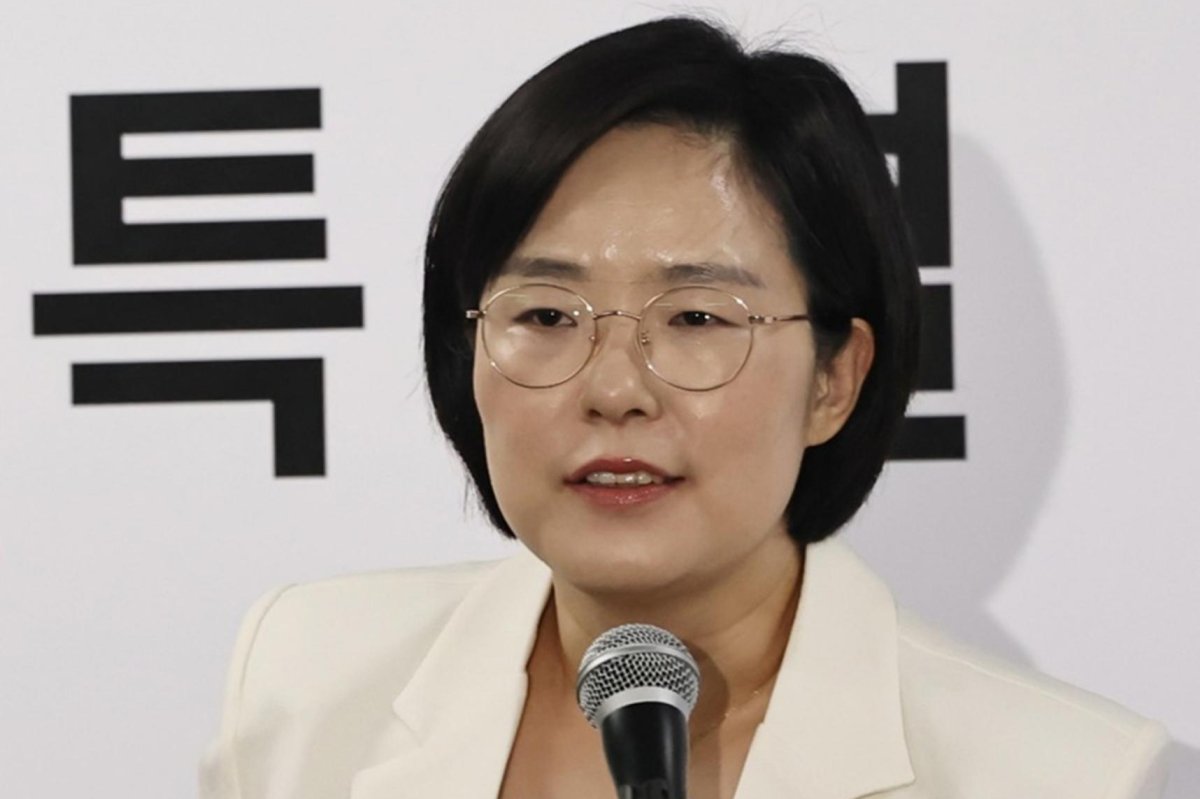
A special counsel team investigating the December 3 emergency martial law declaration in South Korea has identified evidence suggesting that the Defense Counterintelligence Command initiated planning as early as the first half of 2024. Deputy special counsel Kim Ji-mi confirmed these findings during a briefing on Monday, noting that investigators reached this conclusion after questioning officials from the military counterintelligence unit. This development marks a significant shift in the timeline of the investigation, which has been complicated by conflicting legal interpretations regarding when concrete preparations for the declaration actually began.
Divergent Timelines and Legal Hurdles
The current findings from Kim Ji-mi’s team stand in direct contrast to the conclusions reached by a previous special counsel team led by Cho Eun-seok. The earlier investigation had alleged that former President Yoon Suk Yeol acted as the ringleader of an insurrection, relying on a notebook belonging to former intelligence commander Noh Sang-won to argue that planning for martial law started before October 2023. However, the evidentiary value of that notebook was ultimately rejected by a lower court. The court ruled that any decision to impose martial law was not externally expressed until December 1, 2024, and that actionable steps toward implementation only materialized roughly two days before the declaration was issued.
This judicial skepticism regarding the earlier timeline creates a complex environment for the current special counsel. The court previously dismissed the significance of several high-profile meetings, including a presidential residence dinner in December 2023 and various gatherings with senior military officials that occurred through August 2024. By ruling that these events could not be directly linked to martial law preparations, the court set a high bar for what constitutes evidence of intent. The current team’s assertion that planning began in the first half of 2024 will likely face similar scrutiny as they attempt to reconcile their findings with the court’s previous evidentiary standards.
Operational Risks Within the Investigation
Beyond the substantive findings, the special counsel team is managing internal operational risks that could impact the credibility of their ongoing work. The team announced a one-month pay reduction for an investigator who leaked sensitive materials on social media, including a certificate of appointment and a signed statement from a suspect. While the posts have been deleted, the breach highlights the sensitivity of the information being handled and the potential for procedural errors to undermine the investigation’s integrity. The team reported that they questioned two suspects and 43 witnesses last week, indicating that the pace of the inquiry remains high despite these internal setbacks.
Market Read and Institutional Exposure
For investors monitoring the stock market analysis of the region, the primary risk remains the uncertainty surrounding the legal and political fallout of these findings. While the investigation focuses on military and executive conduct, the potential for further political volatility remains a factor for institutional capital. The shift in the timeline toward the first half of 2024 suggests that the scope of the probe is expanding, which could lead to additional testimony from senior military officials. The market is currently pricing in a degree of stability, but any evidence that links specific, actionable military maneuvers to the first half of 2024 could trigger a reassessment of political risk premiums.
Investors should distinguish between the noise of political theater and the specific legal mechanisms that could lead to further charges. The court’s rejection of the Noh Sang-won notebook remains the most important precedent for the current investigation. Unless the new evidence provides a direct, non-circumstantial link to the implementation phase, the legal path for the special counsel remains narrow. The current Alpha Score for KIMCO REALTY CORP (KIM) sits at 55/100, reflecting a moderate stance that mirrors the broader caution required when navigating geopolitical headlines that lack immediate economic triggers. The next concrete marker will be whether the special counsel can provide evidence that the court deems admissible, specifically regarding the transition from internal discussions to the concrete steps of implementation that the judiciary previously required.