Back to Markets
Stocks● Neutral

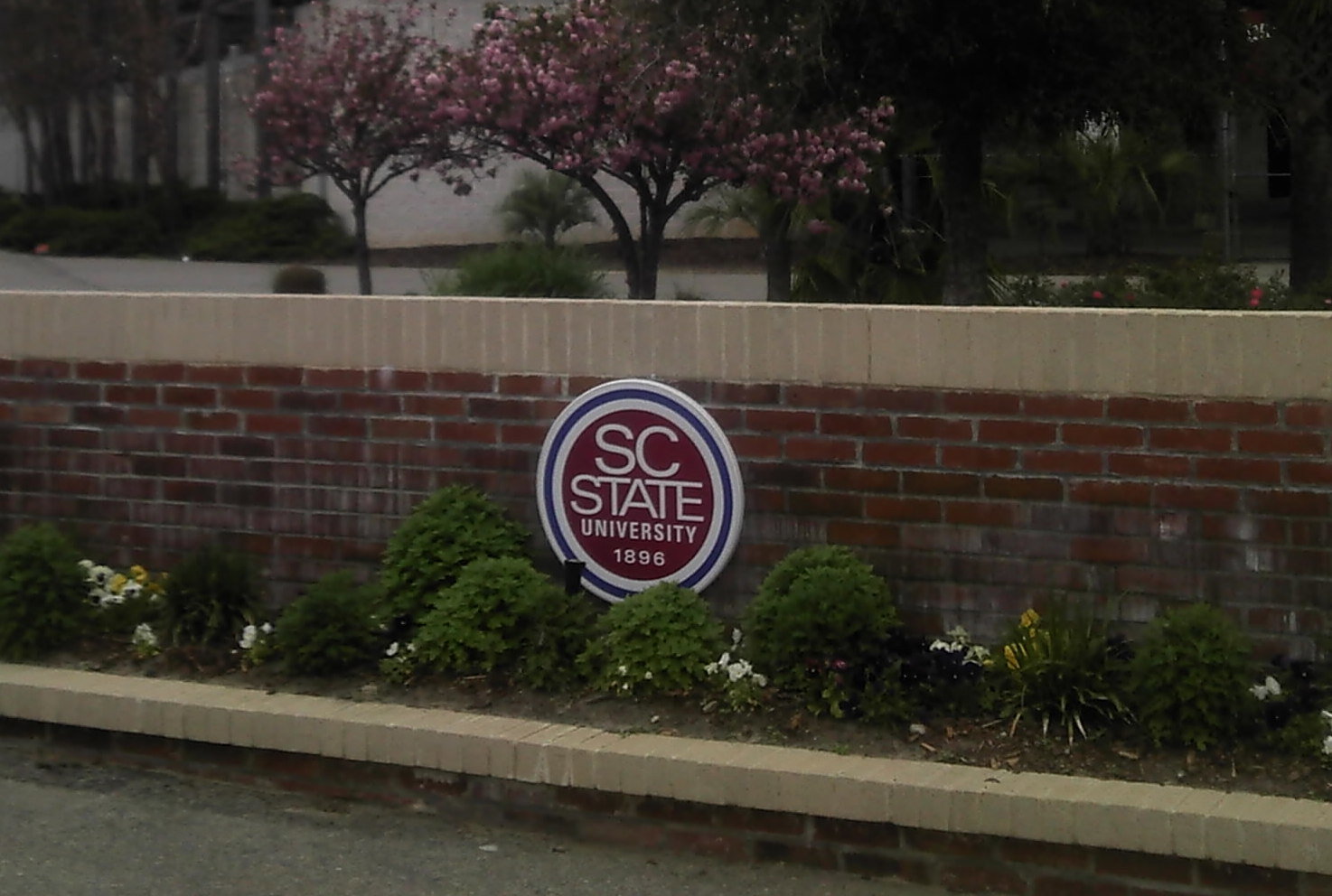
South Carolina State Commencement Dispute Highlights Political Friction at HBCUs

South Carolina State Commencement Dispute Highlights Political Friction at HBCUs
ASHASONNOW

The selection of South Carolina Lt. Gov. Pamela Evette as a commencement speaker has sparked student protests, highlighting the intersection of political discourse and institutional governance at HBCUs.

AlphaScala Research Snapshot
Live stock context for companies directly referenced in this story
Consumer Cyclical
Alpha Score
47
Weak

Alpha Score of 47 reflects weak overall profile with moderate momentum, poor value, moderate quality. Based on 3 of 4 signals — score is capped at 90 until remaining data ingests.

Consumer Cyclical

HASBRO, INC. currently screens as unscored on AlphaScala's scoring model.

Alpha Score
46
Weak

Alpha Score of 46 reflects weak overall profile with strong momentum, poor value, poor quality, moderate sentiment.

Technology
Alpha Score
52
Weak

Alpha Score of 52 reflects moderate overall profile with poor momentum, strong value, strong quality, weak sentiment.

This panel uses AlphaScala-native stock data, separate from the source wire linked above.

The selection of South Carolina Lieutenant Governor Pamela Evette as the commencement speaker for South Carolina State University has triggered student-led protests, centering the institution in a broader debate over political alignment and administrative decision-making. Students opposing the choice have characterized the invitation as a morality issue, leading to public demonstrations on campus. This tension reached a new inflection point when Evette defended the administration of former President Donald Trump, asserting that his policies provided more support to Historically Black Colleges and Universities (HBCUs) than those of previous administrations.

Institutional Governance and Student Sentiment

The protest at South Carolina State reflects a growing trend of student bodies challenging the political affiliations of invited speakers at academic institutions. By framing the objection as a moral concern, the student organizers have moved the conversation beyond simple policy disagreement, forcing the university administration to defend its selection process. The public nature of the protest, amplified by social media, creates a reputational challenge for the university as it attempts to balance institutional autonomy with the expectations of its student base.

This event underscores the sensitivity of HBCU leadership when navigating national political narratives. The assertion that specific federal policies have disproportionately benefited these institutions is a frequent point of contention in political discourse. When these claims are brought to the commencement stage, they often clash with the values held by the student body, resulting in the friction currently observed at South Carolina State.

Political Narrative and Federal Support

The claim regarding federal support for HBCUs serves as a proxy for broader debates about economic and educational policy. Supporters of the former administration often point to specific funding initiatives as evidence of commitment, while critics argue that such support is insufficient or misaligned with the core needs of the institutions. This debate is not limited to South Carolina but resonates across the sector as universities seek to secure long-term funding while maintaining their cultural and educational mandates.

AlphaScala data provides context for how consumer and technology sectors, often impacted by federal policy shifts, are currently viewed by the market. For instance, companies like HAS and AS operate within the consumer cyclical sector, where sentiment is often tied to broader economic stability. Meanwhile, ON remains a focal point for those tracking technology sector performance. The current Alpha Score for ON is 46/100, reflecting a mixed outlook as the company navigates its own set of operational challenges.

The Path Toward Resolution

The immediate next marker for this situation is the commencement ceremony itself. The university administration must now manage the logistics of the event while addressing the vocal opposition from its students. If the protests continue to escalate, the institution may face pressure to clarify its criteria for speaker selection or provide a platform for dissenting voices to engage in a formal dialogue. The resolution of this dispute will likely serve as a case study for other universities managing similar political pressures during high-profile events.

How this story was producedLast reviewed Apr 29, 2026

AI-drafted from named sources and checked against AlphaScala publishing rules before release. Direct quotes must match source text, low-information tables are removed, and thinner or higher-risk stories can be held for manual review.

Editorial Policy·Report a correction·Risk Disclaimer