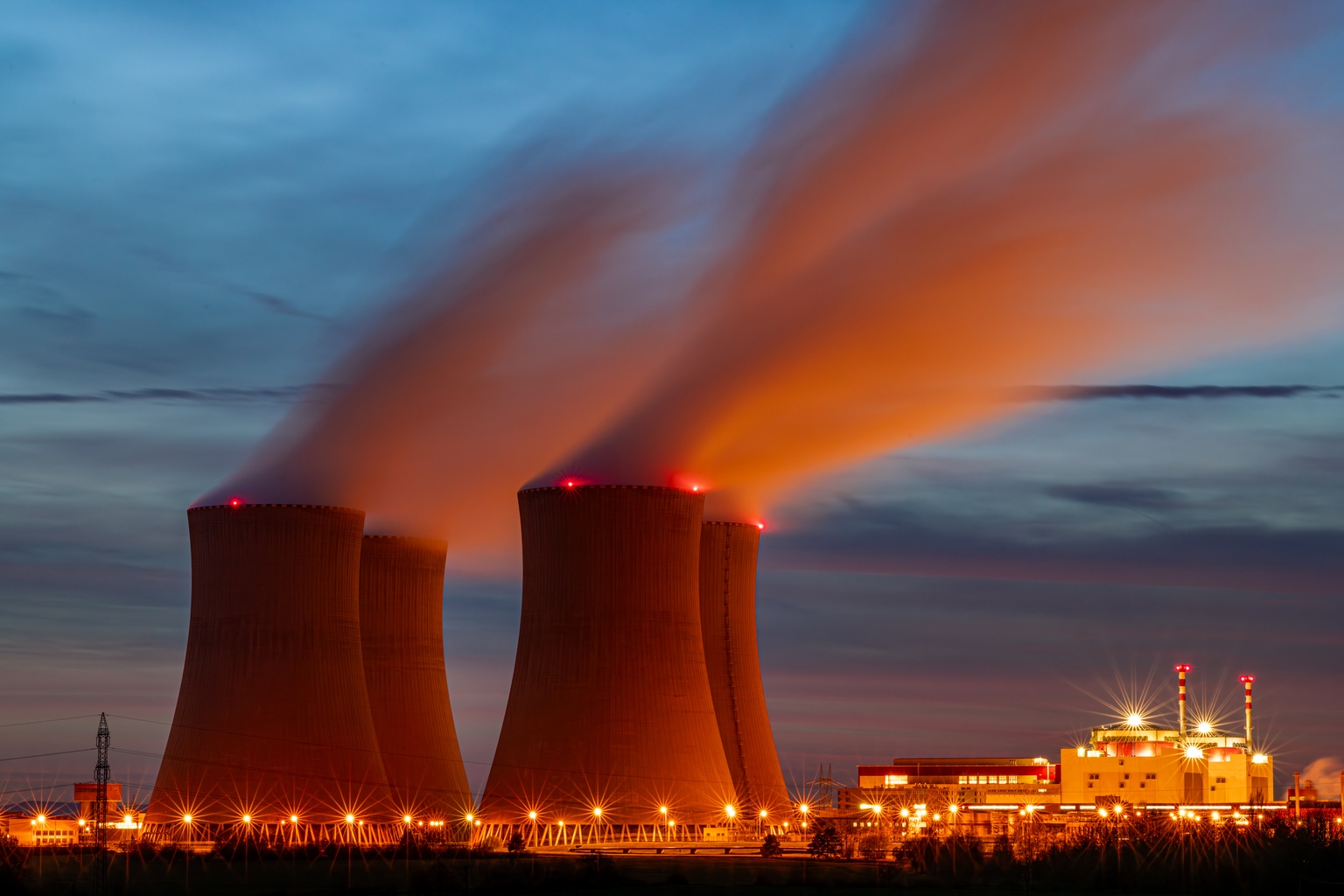
A Seeking Alpha analysis has placed Solstice Advanced Materials Inc. (SOLS) at the center of a growing nuclear energy demand narrative. The article argues that cooling technology, essential for nuclear reactors, creates a structural tailwind for SOLS. For traders evaluating the stock, the question is whether SOLS can capture that demand without execution missteps.
The Nuclear Cooling Thesis for Solstice Advanced Materials
Solstice Advanced Materials operates in the cooling materials space, a segment that gains relevance as nuclear power expands. Reactors require reliable cooling systems to maintain safe operating temperatures, and SOLS's product line positions it as a potential supplier. The Seeking Alpha piece frames this as a long-term demand driver tied to global energy policy shifts toward nuclear.
The simple read is straightforward: more reactors mean more cooling demand, and SOLS is a direct beneficiary. The better market read requires examining the competitive landscape, contract visibility, and the capital intensity of scaling production. SOLS is not the only company targeting this niche, and the path from prototype to commercial reactor supply is long.
Execution Risk in the Nuclear Supply Chain
SOLS's exposure to nuclear cooling is both its primary catalyst and its primary risk. The company's revenue depends on winning contracts with reactor operators and engineering firms. Without confirmed orders, the thesis remains speculative. The stock's liquidity profile adds another layer of risk. SOLS carries an Unscored Alpha Score, meaning the stock lacks sufficient data for our quantitative model. That does not invalidate the thesis. It does mean traders cannot rely on historical patterns for positioning.
The nuclear cooling materials market is not a new niche. Established players with longer track records and deeper balance sheets compete for the same contracts. Solstice must differentiate on cost, performance, or regulatory approval to win orders. The stock's low trading volume means large moves can occur on small news flow, creating both opportunity and slippage risk for traders.
Execution risk includes manufacturing scale-up, regulatory compliance for nuclear-grade materials, and competition from established industrial cooling suppliers. Any delay in reactor construction timelines would directly weaken the demand narrative for SOLS.
Catalysts That Could Move SOLS
Positive catalysts include announced contracts with nuclear operators, partnerships with reactor designers, or inclusion in government-funded nuclear projects. Negative catalysts include missed earnings, lack of contract updates, or a broader slowdown in nuclear energy investment.
The timeline for these catalysts is uncertain. Nuclear projects often take years to materialize, and SOLS may need to demonstrate progress through quarterly filings or press releases. Traders should watch for any mention of nuclear-related revenue in the company's financial reports. A SOLS contract win would signal broader nuclear supply chain momentum, potentially lifting related names. A miss would raise questions about the viability of smaller suppliers in the nuclear ecosystem.
The next decision point for SOLS is the next earnings report or any material contract announcement. Without a clear catalyst date, the stock may trade on sentiment rather than fundamentals. A confirmed order would validate the thesis. A quiet quarter would leave the narrative intact but untested.
For broader context on nuclear energy trends, see our market analysis. The SOLS stock page provides additional data and price history.