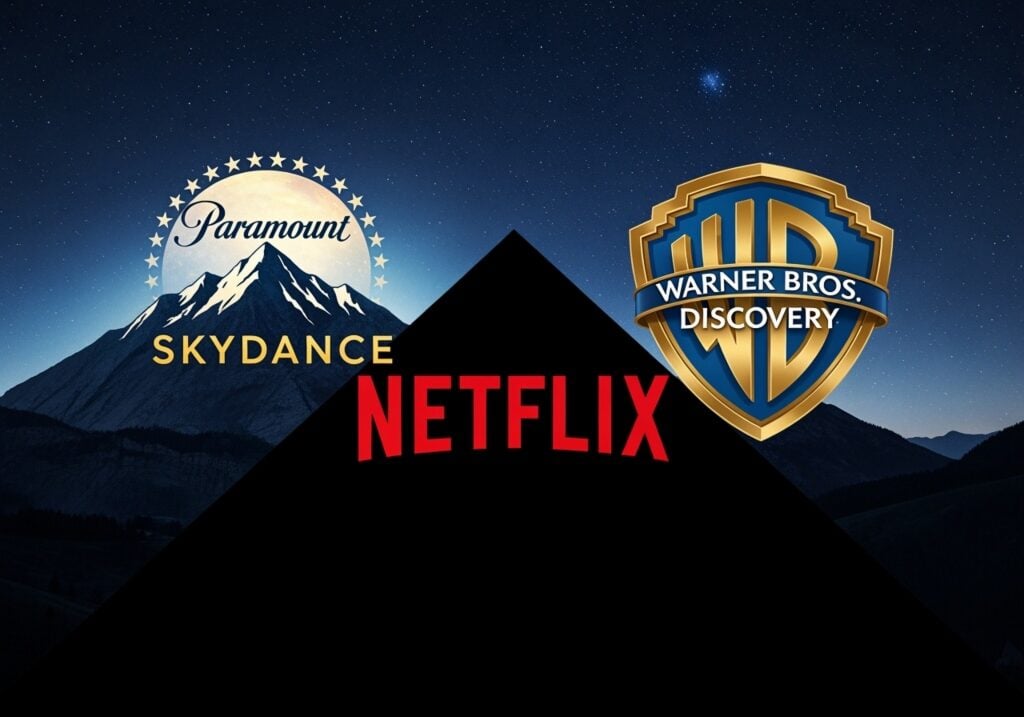
A Transformative Shift in Media Consolidation
In a landmark development that promises to reshape the landscape of global entertainment, David Ellison’s Skydance Media has officially secured the permanent financing necessary to finalize its acquisition of Paramount Global. This pivotal capital arrangement not only clears the path for the merger but also addresses the primary investor concern surrounding the deal: the staggering debt load carried by the combined entity.
According to the latest disclosures, the financing package is structured to significantly deleverage the balance sheet, successfully reducing the combined debt burden from $54 billion down to $49 billion. This $5 billion reduction marks a critical step in stabilizing the financials of the new organization, signaling to the market that the transition will be underpinned by a more disciplined fiscal strategy.
Contextualizing the $5 Billion Deleveraging
For market participants and industry analysts, the sheer scale of the debt reduction is the headline. The media sector has been plagued by high interest rates and the secular decline of linear television, which have made servicing legacy debt increasingly difficult for traditional studios. By lowering the debt ceiling to $49 billion, the Skydance-Paramount leadership is attempting to provide the new entity with the liquidity required to compete with tech-native giants like Netflix and Amazon Prime Video.
Historically, media mergers of this magnitude have often been viewed with skepticism by credit markets, particularly when the target company carries significant legacy obligations. The ability to secure permanent financing in the current high-cost-of-capital environment suggests that institutional lenders have high conviction in the potential synergies and the long-term strategic vision proposed by Ellison.
Market Implications and Trader Sentiment
What does this mean for investors? The consolidation of Paramount under Skydance, combined with the strategic alignment with Warner Bros. Discovery, creates a vertically integrated powerhouse. For traders, this development serves as a potential floor for volatility that had previously gripped Paramount’s stock price throughout the protracted negotiation period.
Investors should monitor how the market prices the "new" Paramount. With the debt overhang partially mitigated, the focus will now shift to operational efficiency and the ability of the combined studio to monetize intellectual property across multiple platforms. The reduction in debt interest expenses could theoretically improve free cash flow profiles, making the stock more attractive to institutional investors who prioritize balance sheet health over speculative growth.
What to Watch Next
Looking ahead, the market will be closely watching the integration process. The success of this deal hinges on the management team's ability to execute on its cost-synergy projections without damaging the brand equity of its core content libraries. Furthermore, regulatory scrutiny remains a constant backdrop for mergers of this scale; any further developments regarding antitrust approvals will be the next major catalyst for price action in both Paramount and Warner Bros. Discovery shares.
As the financing becomes permanent, the narrative shifts from "will it happen" to "can they execute." Traders should expect increased volume as the market digests the implications of a leaner, more capitalized media behemoth entering the streaming wars.