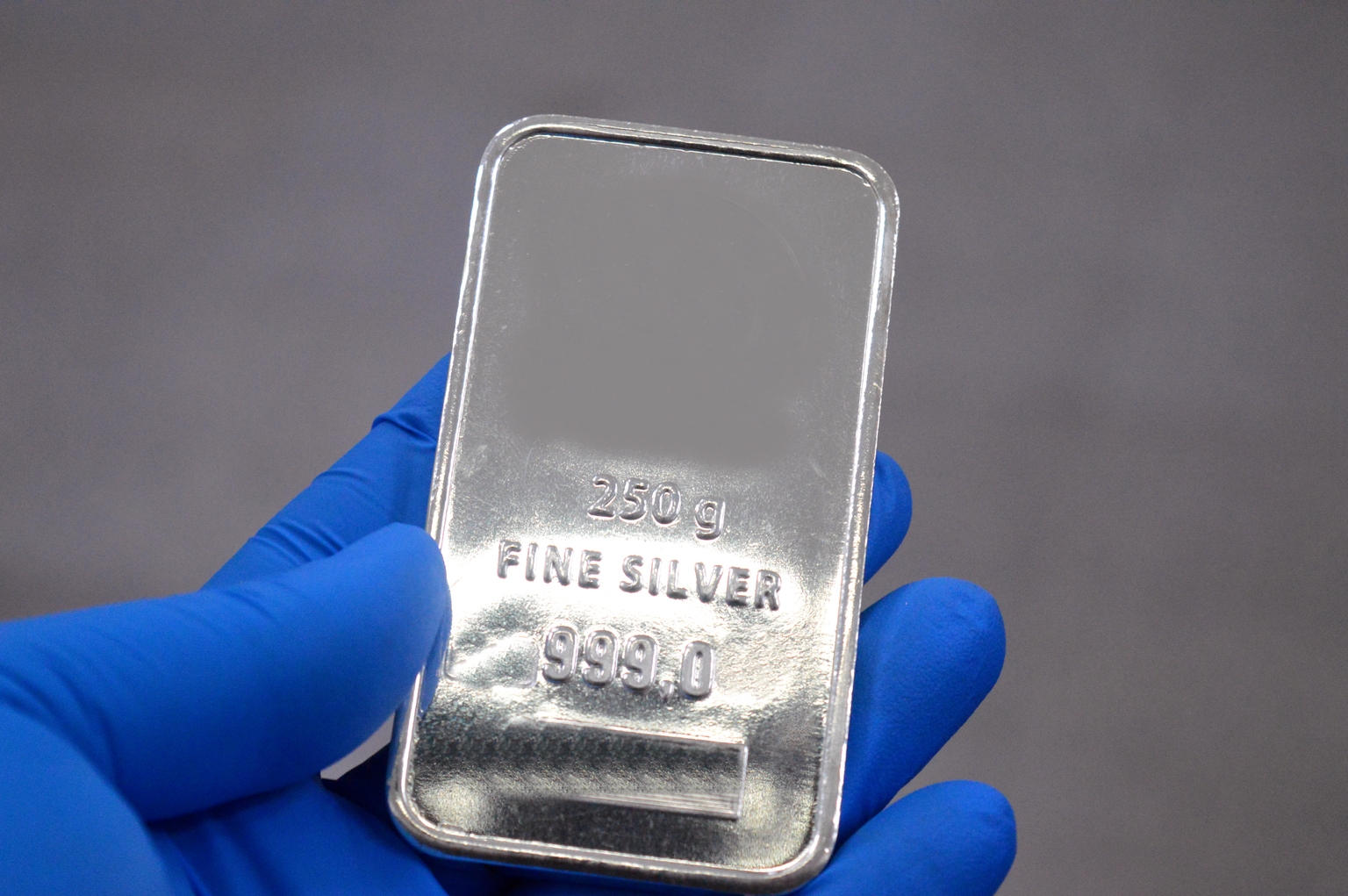
Silvercorp Metals (SVM) printed new all-time highs in the May 11 session, coinciding with a push in silver that took the metal near $84. The move followed a stalemate in negotiations, which appeared to drive safe-haven demand. The simple read treats the rally as confirmation of a bull case built on silver price tailwinds and the company’s sector-low all-in sustaining costs (AISC). The better read separates the price signal from the structural cost advantage and asks what would have to change for the thesis to break.
Silver Price Surge and the Stalemate Catalyst
Silver’s jump toward $84 added immediate mark-to-market gains for producers. For Silvercorp, which operates the Ying mining district in China, higher silver prices flow directly to revenue, given that its production is unhedged. The stalemate in negotiations–whether trade, geopolitical, or policy-related–introduced a bid that may not persist. A resolution or even a shift in tone could reverse the safe-haven flow, pulling silver back below $80. The silver drop earlier this year demonstrated how quickly trade-hope reversals can unwind precious metal gains. That episode cut silver by Rs 3,300/kg in a single session. The current rally, therefore, carries a catalyst risk: the same negotiation dynamic that lifted prices can deflate them.
For traders, the immediate question is whether the silver price move is sustainable. The metal’s correlation with gold and its sensitivity to real yields mean that any shift in central bank rhetoric could also knock it lower. The crude oil profile offers a parallel: commodity price spikes driven by supply fears often reverse when the fear subsides, and producers’ stocks give back gains just as quickly.
Sector-Low AISC: The Margin Advantage and Its Fragility
Silvercorp’s investment case rests heavily on its sector-low AISC. Low costs provide a margin buffer when silver prices fall and supercharge earnings when prices rise. The company has historically reported AISC below $10 per ounce, while many peers operate above $15. That gap is the core of the buy thesis. Cost structures are not static. Labor inflation, higher energy costs, or regulatory changes in China could push AISC higher. Even a modest increase to $12 would narrow the margin advantage. If silver prices simultaneously retreat from $84, the double hit would compress earnings faster than the simple read anticipates. The commodities analysis framework shows that low-cost producers often see their valuation premium evaporate when the commodity price cycle turns, because the market reprices them on a multiple of declining cash flow.
Silvercorp’s production is primarily silver, with lead and zinc by-products that reduce net costs. That by-product credit structure works well when base metal prices are firm. A slowdown in industrial demand, however, could trim those credits and push net AISC higher even before direct mining costs rise.
What Would Invalidate the Bull Case
Two triggers would undermine the SVM thesis. First, a breakdown in silver below the $78 level would signal that the stalemate bid has faded and that the metal is returning to its pre-rally range. Second, a quarterly cost report showing AISC rising above $12 would erode the structural advantage. Either event alone would force a reassessment. Both occurring together would likely push the stock back toward its 200-day moving average, a level far below the current highs. The gold profile illustrates how gold miners with low AISC still correct sharply when the metal price dips, because operating leverage works both ways.
Risk factors to monitor:
- Silver price reversal: A drop below $78 would break the uptrend.
- Cost inflation: Rising labor or energy costs could lift AISC above $12.
- Regulatory risk: Changes in Chinese mining policy could increase compliance costs.
- Negotiation resolution: A deal could remove the safe-haven bid.
The next decision point is the follow-through in silver prices over the coming sessions. If silver holds above $82 and the negotiation stalemate persists, the bull case remains intact. A failure to hold that level, or a cost surprise in the next quarterly filing, would shift the risk-reward from asymmetric upside to a more balanced, and potentially negative, skew.