The Price Move
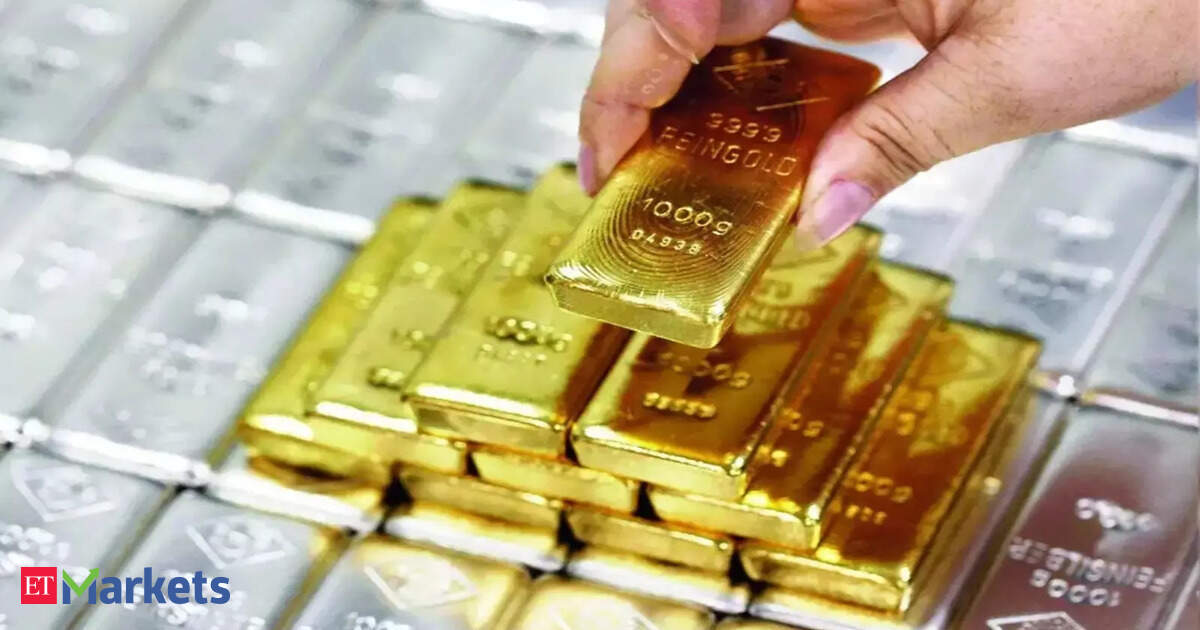
Silver futures on the Multi Commodity Exchange (MCX) slid Rs 3,300 per kilogram. Gold futures dropped Rs 1,600 per 10 grams in the same session. The declines landed as reports surfaced that US President Donald Trump and Chinese President Xi Jinping are preparing for trade discussions. The news injected a shot of risk-on sentiment into markets that had been braced for a prolonged tariff war.
Simple Read: Haven Demand Fades on Trade Optimism
The immediate interpretation is straightforward. Gold and silver function as safe-haven assets. Trade tensions have been a persistent source of global uncertainty, driving capital into precious metals. The prospect of direct talks reduces that uncertainty. The haven bid unwinds. This is the surface-level read that most market commentary will offer. It is not wrong. It is incomplete.
Better Read: Positioning and the Dollar Channel
The more useful read focuses on the mechanism, not the headline. Trade optimism tends to strengthen the US dollar. A deal, or even the credible expectation of one, reduces fears of a global slowdown and supports demand for US assets. A stronger dollar makes dollar-denominated commodities more expensive for holders of other currencies, including the Indian rupee. The Indian gold price is doubly sensitive: it absorbs both the move in international spot gold and the USD/INR exchange rate. When the dollar rallies on trade hopes, the rupee-denominated gold price often falls faster than the dollar price.
Positioning amplifies the move. The Iran war premium had been supporting crude oil and, by extension, inflation hedges like gold. If trade talks signal a broader risk-on rotation, that oil premium can deflate simultaneously. The result is a compound sell-off in precious metals that looks sharper than any single catalyst would justify. The Indian market adds its own layer: import duty structures and seasonal demand patterns mean that domestic gold does not always track international prices one-for-one. The current drop, however, aligns with a global unwind of the safety trade.
Key Levels and the Next Catalyst
Traders are now watching whether the sell-off can break below recent swing lows. A close beneath those levels would confirm a trend change. A sharp bounce would suggest the move was overextended and that the haven bid is not fully exhausted. The next concrete catalyst is the actual outcome of the Trump-Xi talks. A handshake deal or a formal negotiation framework would likely extend the dollar rally and keep pressure on gold. A breakdown in talks, or a new tariff salvo, would reverse the trade. The Iran situation remains a wildcard; any escalation would reintroduce the risk premium that just evaporated.
For Indian commodity traders, the immediate question is whether the sell-off has further to run or if the haven bid returns on any setback in negotiations. The next few sessions will test the conviction behind the trade-optimism trade. The gold profile and commodities analysis pages track the evolving technical picture.