Stocks● Neutral
Shutting down federal bee labs threatens bees, beekeepers and the US food system
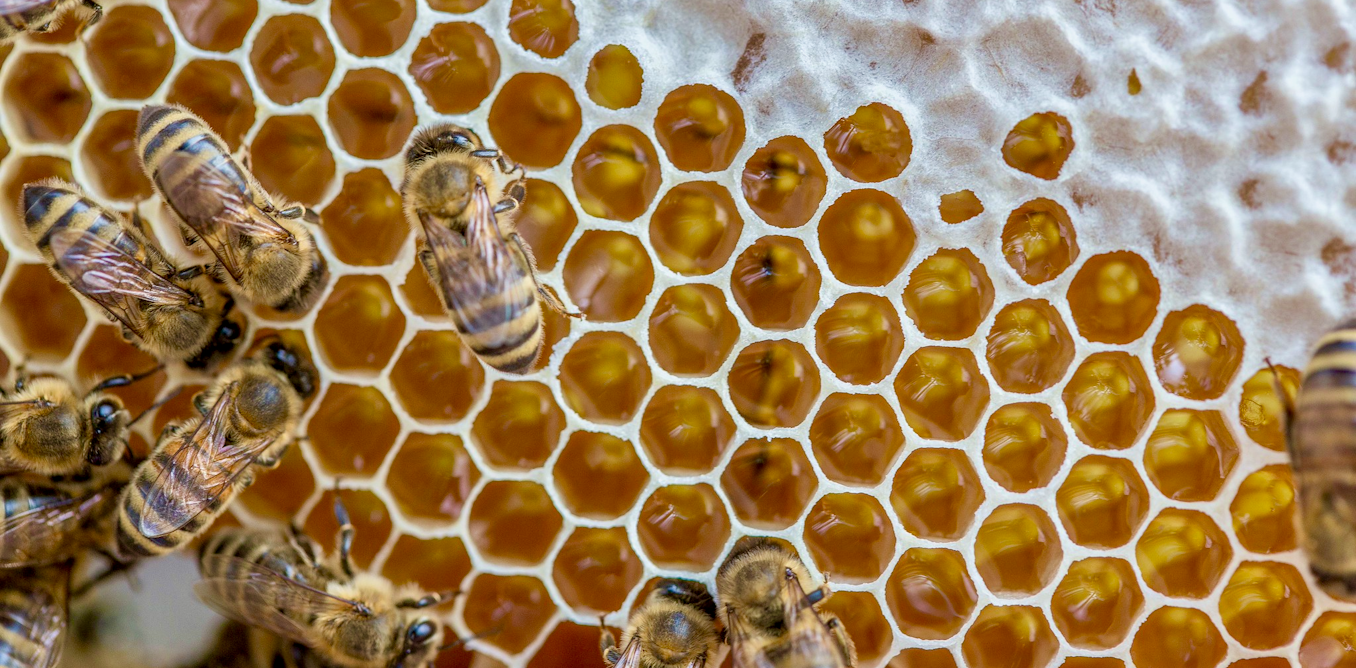
USDA plans to close the Beltsville Bee Research Lab, the nation's premier bee disease hub, at a time when beekeepers face record losses and $600M in winter 2025 damage. Consumer food prices at risk.
Continue with
The U.S. Department of Agriculture plans to close the Beltsville Agricultural Research Center, a 6,500-acre station in Maryland that houses the nation’s premier bee research and disease diagnosis hub, the Beltsville Bee Research Lab. The closure comes when beekeepers are most vulnerable: winter 2025 saw record colony losses, pesticide-resistant varroa mites are spreading deadly viruses, and soaring fuel costs are squeezing pollination shipping margins. The lab's shutdown would remove a free diagnostic service that beekeepers have relied on for nearly 90 years, just as the industry faces its worst crisis in history.
Why the Beltsville Bee Lab Matters Now
The Beltsville lab provides a free bee disease diagnostic service. Beekeepers send in samples; researchers test for pesticide residues, diseases, and mites, then recommend treatment protocols. Since the early 2000s, the lab has helped beekeepers manage varroa mites – the primary driver of annual colony die-offs. Now it is developing detection and response protocols for a deadlier mite, Tropilaelaps mercedesae ("tropi" mites), which is infesting honey bees in Asia and threatens to spread globally.
Winter 2025: The Crisis That Arrived at a Closed Door
In winter 2025, many beekeepers lost more than 60% of their colonies – nearly 1.7 million colonies nationwide. Beekeepers contacted Beltsville. Researchers flew out immediately to collect samples. Then the Trump administration fired probationary researchers and staff at the bee labs and imposed a communication lockdown. It took nearly six months for researchers to deliver their findings. By then, the season was over. Beekeepers navigated the crisis alone.
The economic toll: beekeepers lost an estimated $600 million in honey production, pollination income, and colony replacement costs. That is more than the $500 million the USDA says it would cost to modernize the entire Beltsville Agricultural Research Center.
The $500 Million Renovation vs. the $600 Million Loss Calculation
The USDA states it will decommission the Beltsville center because building maintenance and renovations would cost an estimated $500 million. The agency has not published a cost-benefit analysis showing that the one-time renovation expense outweighs the recurring losses from a bee crisis. The winter 2025 losses alone exceeded that figure, and they are not one-off: colony losses have been trending higher, with varroa mites becoming more resistant to available treatments.
| Item | Value |
|---|---|
| Estimated renovation cost for Beltsville center | $500 million |
| Beekeeper losses from winter 2025 colony die-off | $600 million |
| Annual contribution of honey bees to U.S. crop production | $15 billion |
Honey bees contribute roughly $15 billion to U.S. crop production each year. Native and managed bees pollinate more than 130 crops. The lab's location in a prime farming and beekeeping region in the Northeast allows research on winter colony losses – work that would be hard to replicate at the remaining USDA bee labs in warmer climates.