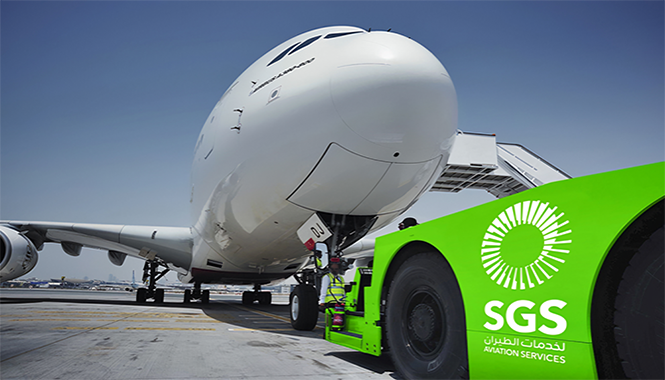
SGS's related-party contract with Saudia locks in revenue volume. Margins and scope remain unclear. The sector readthrough depends on contract duration.
Saudi Ground Services Co. (SGS) received an award letter on May 21, 2026 from Saudi Arabian Airlines (Saudia) to provide ground handling services and equipment. The contract is valued at SAR 6.3 billion. It is a related-party transaction because Saudia, through its parent Saudi Airlines Group, holds a significant stake in SGS.
The simple read is clear. SGS reported about SAR 2.5 billion in revenue for 2025. This contract could cover roughly 2.5 years of revenue depending on its duration. That volume alone would normally support a premium valuation for steady-state cash flow.
The better market read requires more caution. Related-party contracts often lack competitive bidding transparency. If the contract is priced to benefit Saudia’s cost structure rather than SGS’s margins, the profitability per riyal could be lower than what independent ground handling contracts yield. SGS’s margins have been under pressure from labour costs and airport expansion delays. The contract may lock volume without locking margin expansion.
The contract reinforces SGS’s position as the dominant ground handler at King Abdulaziz International Airport in Jeddah and King Khalid International Airport in Riyadh. Saudia accounts for roughly 30% of passenger traffic at these airports, so this contract secures the anchor tenant relationship.
The award letter does not specify the service scope – whether it covers full ground handling (passenger, ramp, baggage) or just equipment leasing. That distinction matters for capital expenditure. If SGS needs to invest in new ground support equipment (GSE) to fulfill the contract, the initial cash outflow could delay the payoff. The contract does not state the duration either, leaving investors to guess whether the SAR 6.3 billion spans 2 years or 6 years.
The contract signals that Saudia is expanding operational capacity ahead of Vision 2030 tourism targets. Saudi Arabia plans to handle 330 million passengers annually by 2030 across all airports, requiring significant investment in ground handling infrastructure.
Other ground handling providers – such as Almajdouie Group or International Air Services – may see similar contract opportunities as carriers like flynas and Riyadh Air grow their fleets. SGS’s near-monopoly in Jeddah and Riyadh means the market is not fragmented. The sector read-through is strongest for equipment suppliers and maintenance firms that will benefit from replacement and expansion of GSE. Companies in the industrial and logistics space may see upward revisions to earnings forecasts if this contract triggers a wave of airport investment.
For broader context on how major Saudi contracts reshape sector dynamics, see this stock market analysis of related-party awards and their margin implications.
The market reaction to the SAR 6.3 billion award will depend on contract duration and margin terms. If the contract spans 5+ years, SGS could trade at a premium to its historical EV/EBITDA multiple of about 10x. A shorter duration (2-3 years) would create renewal risk and limit the valuation uplift.
The next catalyst is the formal signing of the contract, expected within 90 days from the award letter. Investors will focus on any disclosed terms about pricing, capex requirements, and whether SGS will need to raise debt or issue equity to fund equipment purchases.
For the broader sector, this deal confirms that Saudi airlines are willing to commit large sums to secure ground handling capacity. That is a positive for other ground handlers and equipment lessors. The concentration risk remains high – SGS depends on Saudia and the Public Investment Fund-owned airports for most of its revenue. The contract may also open the door for competitive bids from international ground handlers seeking entry into the Saudi market, which could pressure SGS’s margins long-term.
Final decision point: The formal contract signing and accompanying disclosure of service scope and duration will determine whether this is a pure volume win or a genuine value creator for shareholders. Until then, the related-party governance issue tempers the narrative.
Prepared with AlphaScala editorial tooling from the source reporting linked above. Indexable analysis may include a cited Alpha Score value. Publishing checks screen each story before release. Educational coverage, not personalized advice.