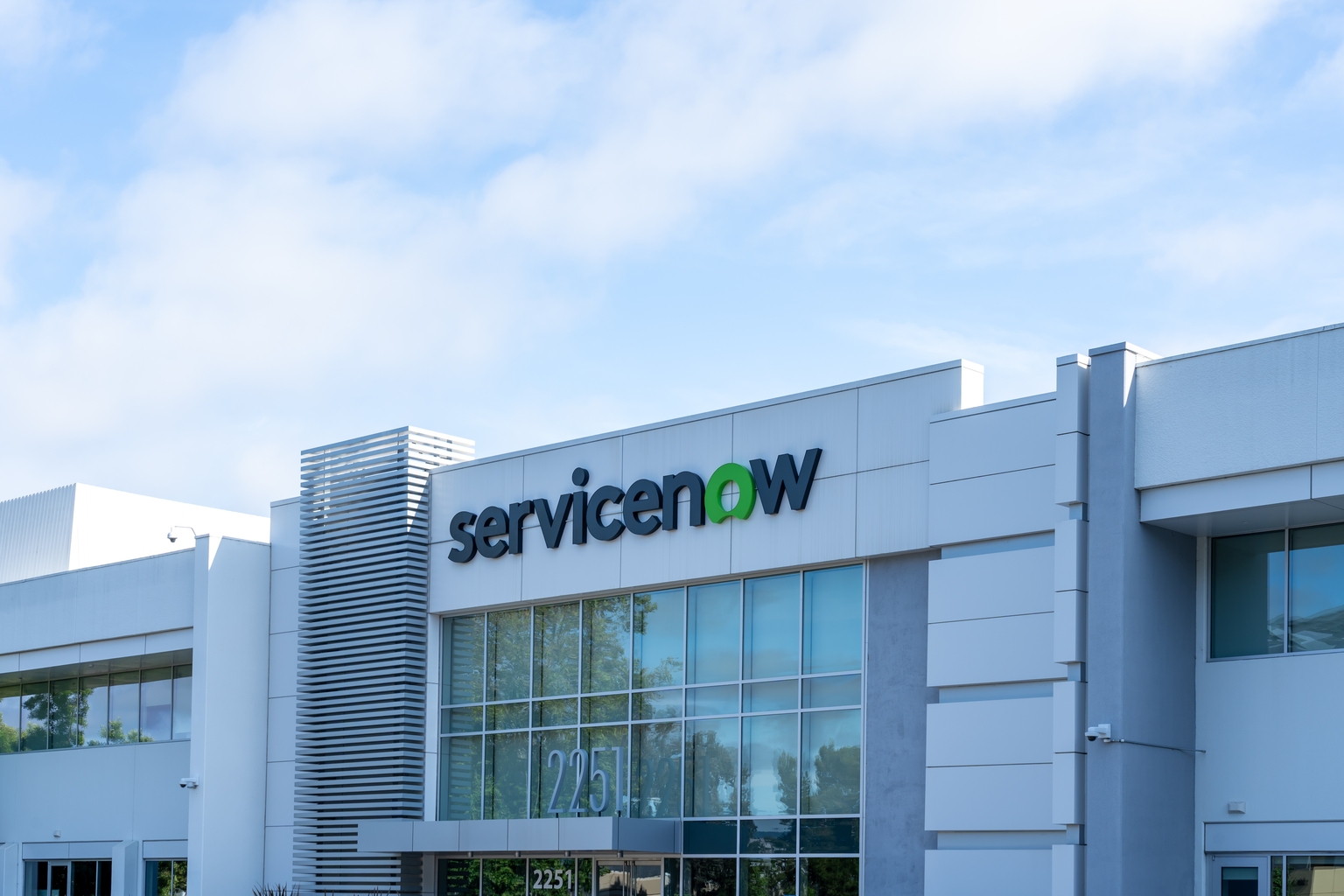
ServiceNow reported a 20% growth outlook for earnings per share, signaling that the company remains in a period of sustained operational expansion despite recent volatility in its equity pricing. The firm maintains a 97% renewal rate, a metric that underscores the stickiness of its enterprise software platform even as broader macroeconomic conditions force IT departments to scrutinize their software budgets more closely. This retention level serves as the primary anchor for the company during a period where market sentiment has shifted sharply against high-multiple technology assets.
Subscription Stability and AI Integration
The core of the current thesis for ServiceNow rests on its ability to convert existing enterprise workflows into AI-enabled processes. While the market has recently punished high-growth technology stocks, the underlying demand for digital transformation tools remains intact. The company continues to leverage its dominant position in IT service management to cross-sell automation capabilities, which are increasingly viewed as essential rather than discretionary spending by large-scale clients. This transition is critical because it shifts the narrative from pure seat-based growth to value-based pricing models that are less sensitive to headcount fluctuations within client organizations.
Margin Management and Operational Efficiency
ServiceNow is navigating a transition where it must balance aggressive investment in generative AI with the need to demonstrate margin expansion to skeptical investors. The company has focused on optimizing its go-to-market strategy to reduce customer acquisition costs, a move that is necessary to sustain its current earnings growth trajectory. By streamlining its sales cycles and focusing on high-value enterprise renewals, the firm is attempting to insulate its bottom line from the cyclicality often seen in the broader stock market analysis. The challenge remains whether these efficiencies can offset the increased compute costs associated with deploying large-scale AI models across its entire product suite.
AlphaScala data currently assigns ServiceNow an Alpha Score of 51/100 with a Mixed label, reflecting the tension between its strong fundamental retention metrics and the current technical pressure on the share price. Investors can monitor further developments on the NOW stock page to track how these operational metrics evolve against the backdrop of broader sector headwinds. Similar pressures are visible across the technology landscape, as seen in the recent performance of firms like ON Semiconductor Corporation, which also carries an Alpha Score of 45/100 and a Mixed label.
The next concrete marker for the company will be the upcoming quarterly filing, which will provide the first clear look at whether the 20% EPS growth target remains achievable under current pricing environments. Market participants will be looking for evidence that the renewal rate has held steady at the 97% level, as any degradation in this figure would suggest that the current valuation reset is driven by more than just multiple compression. The ability to maintain this level of client loyalty will be the ultimate test of whether the company can sustain its premium valuation in a higher-rate environment.