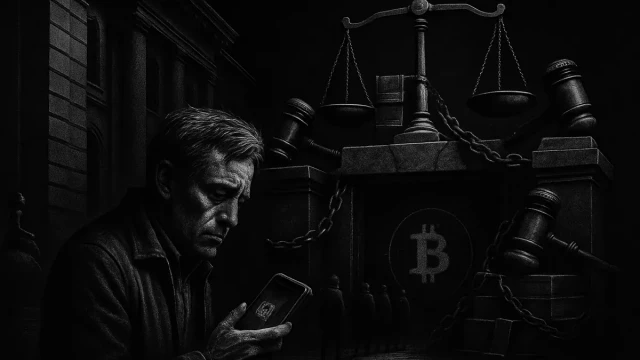
Denmark’s digital asset market is currently experiencing a period of stagnation, with national adoption rates holding steady at 4%. This figure places the country significantly behind other European jurisdictions, where broader institutional integration and more favorable regulatory environments have catalyzed higher participation. The current plateau reflects a structural impasse between retail demand and the operational barriers imposed by the domestic financial sector.
Tax Complexity and Reporting Burdens
The primary friction point for Danish investors remains the country’s stringent tax framework. Current regulations treat crypto gains as personal income, which subjects them to high marginal tax rates rather than the more favorable capital gains structures found in neighboring markets. This classification creates a significant administrative burden for individual holders who must track and report every transaction. The lack of automated tax reporting tools or clear guidance on complex activities like staking and decentralized finance participation further discourages casual investors from entering the space.
Banking Sector Resistance and Liquidity Constraints
Beyond the tax regime, the Danish banking sector maintains a cautious stance toward digital assets. Many domestic institutions continue to restrict or outright block transfers to and from crypto exchanges, citing anti-money laundering concerns and internal risk policies. This lack of seamless on-ramping and off-ramping capabilities forces users to rely on international platforms, which often complicates the integration of crypto assets into local financial portfolios. The absence of local banking support prevents the development of a robust domestic ecosystem, limiting liquidity and keeping the asset class on the periphery of the broader financial system.
Comparative Market Context
When viewed against broader crypto market analysis, the Danish experience highlights how national policy choices directly dictate adoption velocity. While other nations have moved to clarify the legal status of digital assets to encourage innovation, Denmark’s current approach prioritizes stability and traditional oversight. This regulatory posture has effectively insulated the local market from the volatility seen elsewhere, but it has also prevented the growth of a domestic pipeline for digital assets. The current stagnation is a direct result of these institutional headwinds, which remain largely unaddressed by recent legislative updates.
AlphaScala data currently tracks various sectors with varying degrees of institutional stability. For instance, Kellanova (K stock page) holds an Alpha Score of 61/100, reflecting a moderate outlook in the consumer staples sector, while Unity Software Inc. (U stock page) sits at 43/100. These scores underscore the divergence between mature, traditional sectors and the emerging, often volatile, digital asset landscape.
The next concrete marker for the Danish market will be the outcome of upcoming parliamentary discussions regarding the European Union’s Markets in Crypto-Assets (MiCA) regulation. As Denmark moves to harmonize its local laws with the broader EU framework, the potential for a shift in tax treatment or banking guidelines will serve as the primary indicator for whether the current 4% adoption ceiling will be breached in the coming fiscal year.