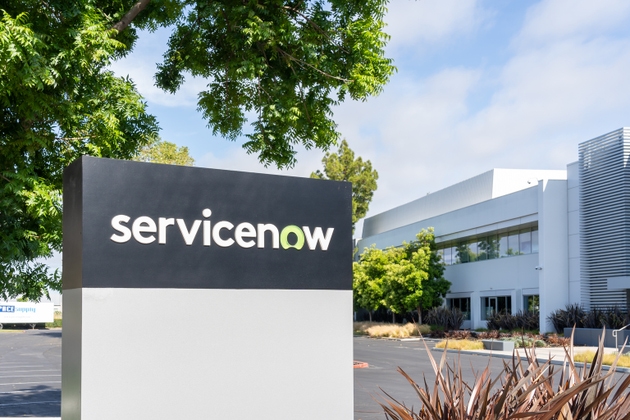
ServiceNow (NOW) is hosting its financial analyst day in Las Vegas, an event that serves as a critical checkpoint for the company’s transition into an AI-first enterprise platform. Investors are looking for clarity on how the firm plans to monetize its generative AI capabilities, specifically through new pricing tiers and long-term growth targets. The primary focus for the market is the company’s fiscal year 2026 Annual Contract Value (ACV) targets, which will serve as the benchmark for whether the current valuation can sustain its premium multiple.
Monetization Mechanics and AI Pricing Tiers
The narrative surrounding ServiceNow has shifted from simple workflow automation to the integration of generative AI across its core product suite. The core issue for the company is not the technical efficacy of its AI tools, but the conversion of these features into high-margin revenue. BNP Paribas expects the presentation to detail specific pricing tiers for AI-enabled products, which would provide a clearer roadmap for how the company intends to expand its average revenue per user. If the company introduces aggressive pricing models, it signals confidence in the stickiness of its platform and the tangible productivity gains realized by its enterprise clients.
Conversely, a conservative approach to pricing could suggest that the firm is prioritizing market share and platform adoption over immediate margin expansion. For traders, the distinction is vital. A focus on aggressive ACV growth targets for 2026 suggests that the company expects its AI suite to become a mandatory upgrade for existing customers rather than an optional add-on. This would fundamentally change the recurring revenue profile of the business, moving it closer to a high-utility infrastructure play.
Evaluating the FY26 Growth Framework
ServiceNow currently holds an Alpha Score of 52/100, reflecting a mixed sentiment as the market waits for concrete evidence of AI-driven revenue acceleration. While the company has historically maintained strong retention rates, the transition to AI-heavy revenue streams introduces new execution risks. The market will be scrutinizing the gap between current growth rates and the projected FY26 targets to determine if the company is over-promising on the speed of AI adoption.
Investors should monitor the commentary on the competitive landscape, particularly how the firm differentiates its AI offerings from other enterprise software giants that are also embedding generative tools into their workflows. If the company provides specific metrics on early AI adoption rates or pilot program conversion, it would provide a tangible data point to validate the current NOW stock page valuation. The event will likely determine whether the stock continues to trade as a growth-at-any-price asset or if it begins to face pressure from investors demanding more immediate profitability from its R&D investments.
Ultimately, the decision point for the market arrives when the company releases its specific guidance on ACV contribution from AI products. If the targets exceed current consensus expectations, expect a re-rating of the stock as the market prices in a faster transition to AI-led growth. If the targets are vague or rely on long-term, unverified assumptions, the stock may face volatility as the market recalibrates its expectations for the next 18 months of growth.