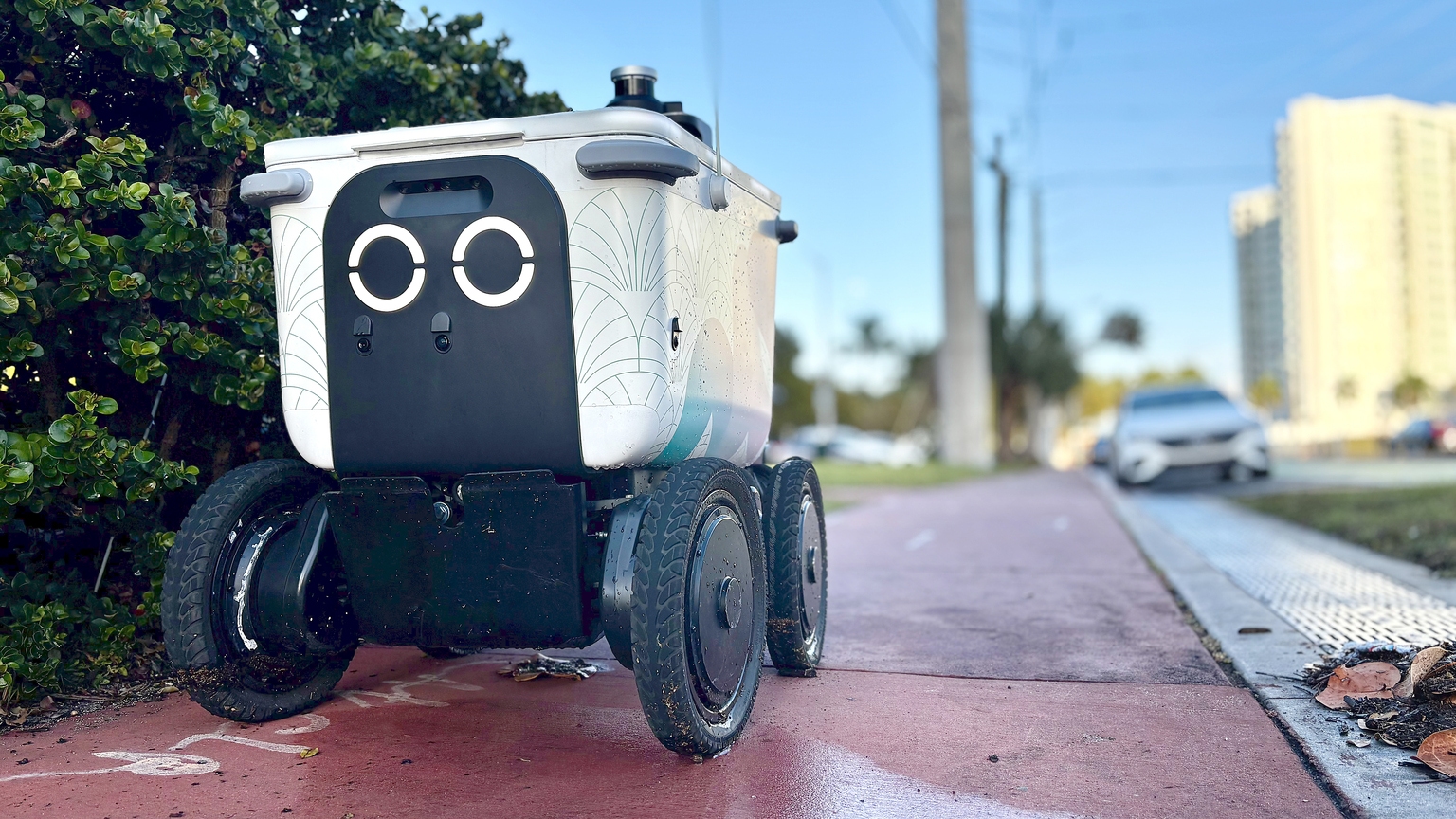
Serve Robotics runs less than half its active fleet while cash burn accelerates. Low utilization per robot pushes breakeven further out. Next quarterly filing is the key catalyst.
Serve Robotics is operating less than half of its active robotic delivery fleet while burning through cash at an accelerating rate. For a company valued partly on deployment scale, that utilization gap changes the risk profile for anyone holding or watching SERV equity.
The simple read is that the numbers look weak. Fleet utilization below 50% means capital tied up in idle hardware, while negative operating cash flow raises the obvious question about runway. The better market read is about the funding sequence. If the fleet cannot generate sufficient revenue to cover fixed costs, the company will need to raise capital on terms that existing shareholders may not like. The mechanism is straightforward: lower utilization per robot pushes the breakeven point further out, and each quarter of cash burn shortens the time before a dilutive raise or a strategic sale becomes the only option.
Serve Robotics reported that it is using less than half of its active fleet. That figure is not a seasonal dip or a regional mismatch. It points to a structural gap between the deployed robot count and the demand those robots are capturing. The company has been expanding fleet size faster than it has secured service contracts or delivery routes that keep the robots moving.
The consequence is a capital-efficiency problem. Each idle robot still carries depreciation, maintenance, and software overhead. With utilization below 50%, the revenue per deployed unit is too low to cover those costs. The company's cash burn reflects this mismatch. Cash outflows are running at a pace that, without a change in revenue or a capital infusion, puts pressure on the balance sheet within the next few quarters.
Serve Robotics is bleeding cash. The exact quarterly burn rate was not specified in the source, yet the description of "bleeding cash" implies that operating expenses meaningfully exceed revenue. For a pre-profitability robotics company, that is not unusual. What makes it a risk event is the combination of low fleet utilization and the absence of a disclosed catalyst that would flip the cash flow trend.
Equity holders face two risks. First, if the company needs to raise capital while utilization is low, new investors will demand terms that dilute existing holders. Second, if the cash runway runs short before utilization improves, a distressed financing or asset sale could hit harder. The timeline to watch is the next quarterly filing. If fleet utilization does not move above 50% and cash burn does not narrow, the funding event moves closer.
A reduction in risk would require one of two things. Either Serve Robotics signs a large delivery contract that pushes utilization toward 70-80%, or it cuts operating costs enough to slow the cash burn without cutting the fleet. A capital injection from a strategic partner at a premium to the current stock price would also signal confidence, though that is not in the available facts.
What would make the situation worse is continued underutilization combined with flat or rising cash burn. That combination would force management to choose between shrinking the fleet (which hurts revenue and growth narrative) or raising capital at unfavorable terms. A third risk path is that customer sentiment around autonomous delivery shifts negatively, reducing the pool of potential contracts.
For investors tracking the stock market analysis of SERV, the best stock brokers can be used to set price alerts on the stock. The next decision point is the next earnings or operational update. If fleet utilization remains below half and cash burn continues, the equity becomes a watchlist item for a potential correction. If utilization improves sharply, the narrative flips. Until then, the risk event is live.
Prepared with AlphaScala editorial tooling from the source reporting linked above. Indexable analysis may include a cited Alpha Score value. Publishing checks screen each story before release. Educational coverage, not personalized advice.