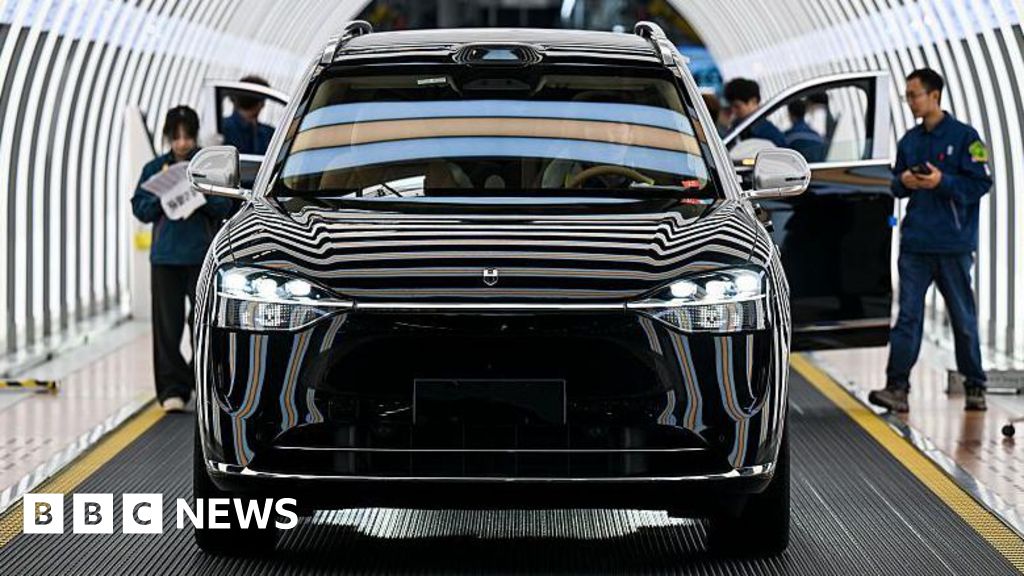
Chinese electric vehicle manufacturer Seres has filed a patent for a voice-controlled, in-vehicle toilet system. The move highlights the extreme lengths to which domestic manufacturers are going to differentiate their product lineups in an oversaturated market.
The Race for Cabin Utility
Seres, a partner of Huawei in the AITO brand, is attempting to solve a specific pain point for long-distance commuters and urban travelers in China. The patent outlines an integrated sanitation solution that users can activate via voice commands, suggesting the company is prioritizing cabin convenience as a primary selling point for its upcoming hardware iterations.
This development comes at a time when the broader Chinese EV sector is grappling with thin margins and aggressive pricing wars. By focusing on unconventional cabin features, Seres is attempting to move the value proposition away from simple battery range and price-to-performance metrics, which have become commoditized.
Market Implications and Competitive Pressure
For traders and analysts, the patent reflects the desperation currently found in the Chinese EV manufacturing sector. Companies are no longer competing solely on powertrain efficiency or autonomous driving capabilities; they are now forced to integrate lifestyle-centric technology to capture consumer attention.
- Margin Compression: The reliance on high-tech, non-essential features often adds cost without guaranteed volume growth, potentially pressuring gross margins further.
- Brand Differentiation: As the domestic market hits a saturation point, niche features like this serve as a proxy for brand loyalty in a crowded field.
- Supply Chain Complexity: Adding complex plumbing and sanitation infrastructure to an EV chassis introduces new manufacturing hurdles and potential reliability issues that investors should monitor.
Traders should look at how this impacts the broader market analysis regarding consumer discretionary spending in China. If automakers feel the need to innovate on cabin plumbing, it suggests that traditional upgrades—like faster charging or slightly better battery chemistry—are no longer enough to move the needle on sales volume.
Monitoring the EV Pivot
Investors should keep an eye on how the market reacts to these non-traditional feature sets. While the patent is a clear attempt at innovation, the market rarely rewards gimmicks that increase vehicle complexity without addressing core issues like battery costs or software stability.
Watch for the following indicators:
- Quarterly delivery numbers: Whether these "innovative" features actually drive higher sales volume compared to competitors like BYD or Xiaomi.
- R&D Expenses: An uptick in spending on cabin comfort features that does not correlate with revenue growth will likely be viewed negatively by the street.
- Regulatory Hurdles: The safety and sanitation standards for in-vehicle plumbing will be a key test for the viability of this technology in mass-produced models.
Ultimately, this patent signals that the EV arms race has moved into a phase where manufacturers are throwing everything at the wall to see what sticks. Efficiency is the baseline, but survival now depends on capturing the "lifestyle" segment of the Chinese consumer base, even if that means installing a toilet in the backseat.