Calgary-based cleantech software company SensorUp closed a growth financing round led by Pender Ventures, with participation from Climate Investment, Evok Innovations, and Occidental (OXY), a US petroleum company that is also a SensorUp client. Neither SensorUp nor Pender Ventures disclosed the dollar figure or funding stage. Pender Ventures partner Cheri Corbett will join the board of directors.
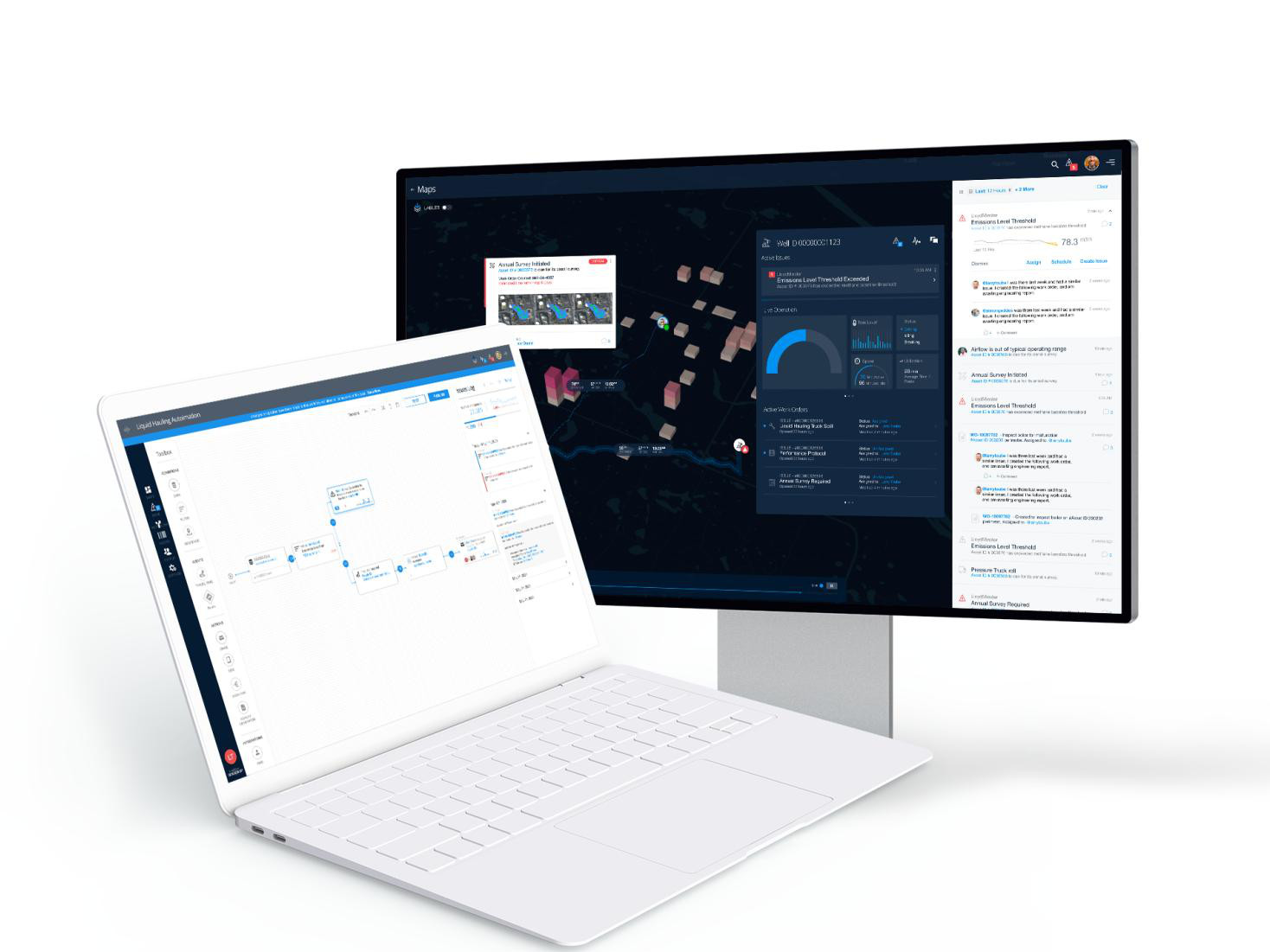
The round changes the competitive landscape for industrial software. SensorUp’s platform integrates data across heavy industry assets – oil and gas wells, pipelines, refineries – into a single AI-enabled system. Five Oil and Gas Climate Initiative (OGCI) companies already use the platform for monitoring oilwell production, measuring flare and venting against regulatory thresholds, detecting methane leaks, and assembling emissions inventories. The capital will accelerate customer deployment, enhance the platform’s agentic modeling capabilities, and fund expansion into mining, power generation, and utilities.
SensorUp’s Platform and the Heavy Industry Data Gap
Industrial software has long struggled with fragmented data sources and siloed workflows. SensorUp claims both architectural differentiation and field credibility – a combination that, according to Corbett, the sector has been waiting for. The platform consolidates data from sensors, drones, satellite imagery, and operational logs, then applies AI to flag anomalies, predict maintenance needs, and automate compliance reporting.
For legacy monitoring vendors – companies like AspenTech, Schneider Electric, and Honeywell – SensorUp’s financing is a risk event. The startup now has the capital to scale its sales team, deepen its product moat, and target adjacent industries. If SensorUp converts its OGCI customer base into long-term contracts and wins new clients in mining or utilities, incumbents will face a credible challenger with a unified platform rather than a collection of point solutions.
Occidental’s Strategic Bet on Methane Monitoring
Occidental’s dual role as both client and investor is the strongest signal in the round. The company is already using SensorUp’s platform internally, which means it has validated the technology in live operations. By investing, Occidental gains influence over product roadmaps and early access to new features. For other oil and gas operators, that endorsement lowers the perceived risk of adopting SensorUp – if a major producer trusts the platform, smaller players may follow.
The investment also aligns with regulatory pressure. Methane emissions are under increasing scrutiny from the EPA and international bodies. SensorUp’s ability to detect leaks in near real time and generate auditable inventories gives operators a tool to stay ahead of compliance deadlines. That use case alone could drive adoption across the OGCI membership and beyond.
What Would Reduce or Worsen the Risk
The risk to incumbents would decrease if SensorUp fails to deploy the new capital effectively – for example, if its agentic modeling features underperform in field tests or if customer onboarding takes longer than projected. Integration challenges with existing SCADA or ERP systems could also slow adoption.
The risk would worsen if SensorUp announces additional OGCI customers or a major contract in mining or power generation. A public reference from a second large oil and gas producer would further validate the platform. Competitors would then need to respond with acquisitions, product updates, or price cuts – moves that compress margins and distract from core R&D.
The Next Decision Point
SensorUp’s immediate challenge is converting its current pipeline into recurring revenue at scale. The company has not disclosed revenue figures or customer counts beyond the five OGCI users. The next milestone will be a public customer win in a non-oil-and-gas vertical, such as a mining company or a utility. If that happens within the next 12 months, the competitive pressure on legacy industrial software vendors will intensify. If SensorUp stays focused on oil and gas, incumbents have more time to adapt – the clock is ticking.
For traders watching the industrial software space, SensorUp’s financing is a reminder that AI-driven platforms are moving from pilot projects to production. The companies that ignore this shift risk losing market share to a startup with deep-pocketed backers and a clear product vision.