Macro● Neutral
11 Civilians Killed in Herat Attack: Afghanistan Security Risks
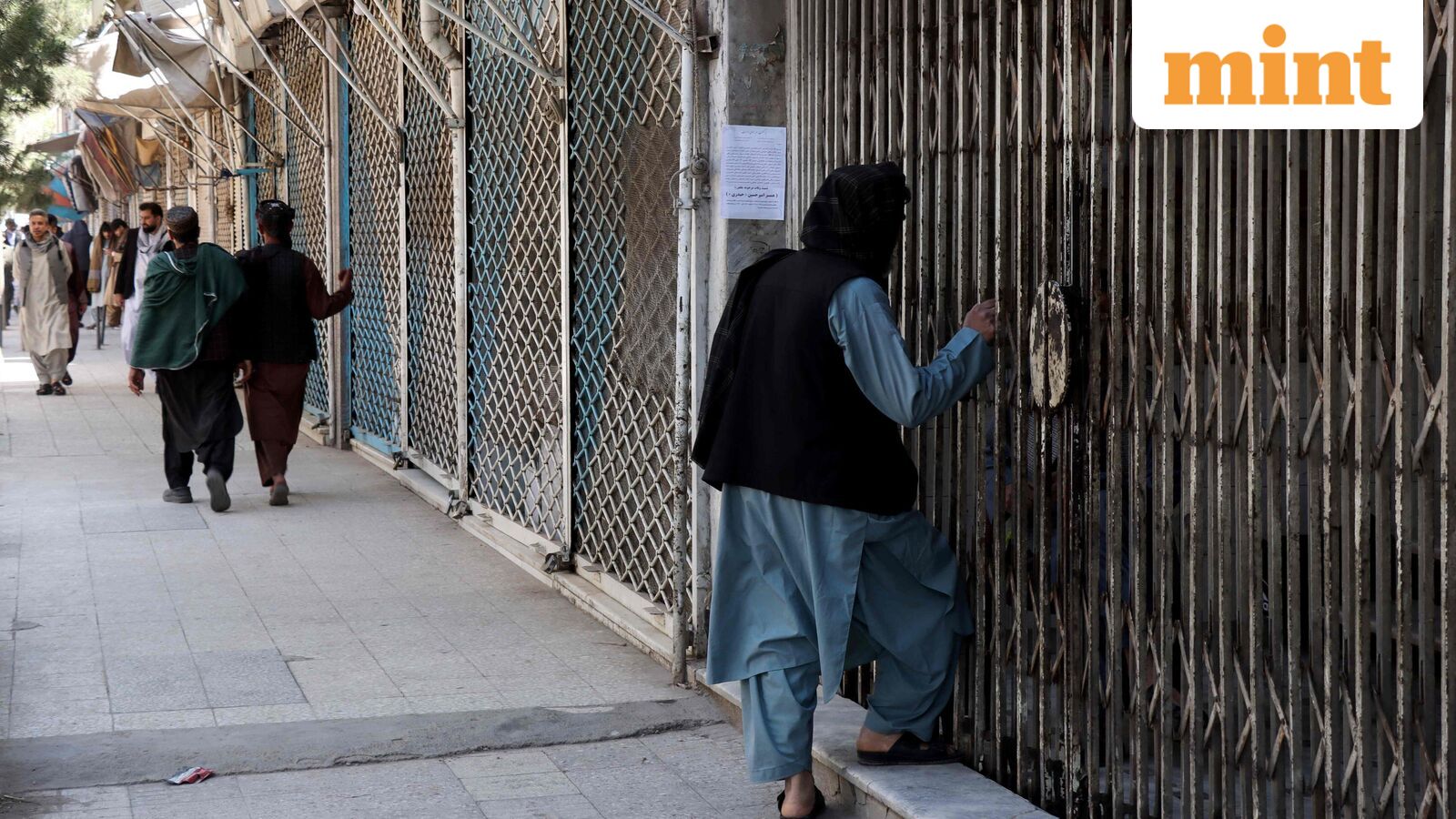
The targeted shooting in western Afghanistan highlights persistent regional instability. Investors should monitor border trade for potential disruptions.
Continue with
Escalating Violence in Western Afghanistan
A targeted attack southwest of Herat city has left 11 civilians dead, marking a grim escalation in the security challenges facing Afghanistan. According to official reports from the country’s Interior Ministry, the assault was carried out by unidentified gunmen operating on motorcycles, who intercepted the victims before opening fire. The incident has sent shockwaves through the region, highlighting the persistent volatility that continues to plague the nation’s interior provinces.
While the identity of the perpetrators remains unconfirmed, the methodology—coordinated strikes by mobile, armed units—mirrors historical tactical patterns often employed by insurgent factions seeking to undermine local governance and public safety. The attack serves as a stark reminder of the fragile security environment that remains a critical bottleneck for regional stability and economic recovery in the post-conflict era.
Contextualizing the Security Landscape
Herat, historically a vital economic and cultural hub in western Afghanistan, has frequently been a focal point for power struggles between various factions. The province’s strategic location near the Iranian border makes it a cornerstone of trade and logistics; however, its proximity to porous border regions and long-standing internal rivalries often renders it susceptible to localized violence.
For international observers and regional stakeholders, the shooting is more than a localized tragedy; it serves as a barometer for the central government’s ability to maintain a monopoly on force. Since the transition of power in 2021, the security narrative in Afghanistan has shifted from large-scale conventional warfare to a fragmented, low-intensity conflict landscape. Attacks on civilians, particularly those involving small, agile, and unidentified cells, complicate the path toward normalized international relations and the resumption of sustainable foreign investment.