Stocks● Neutral
SEACOR Marine Holdings Asset Sale Strategy and Value Potential
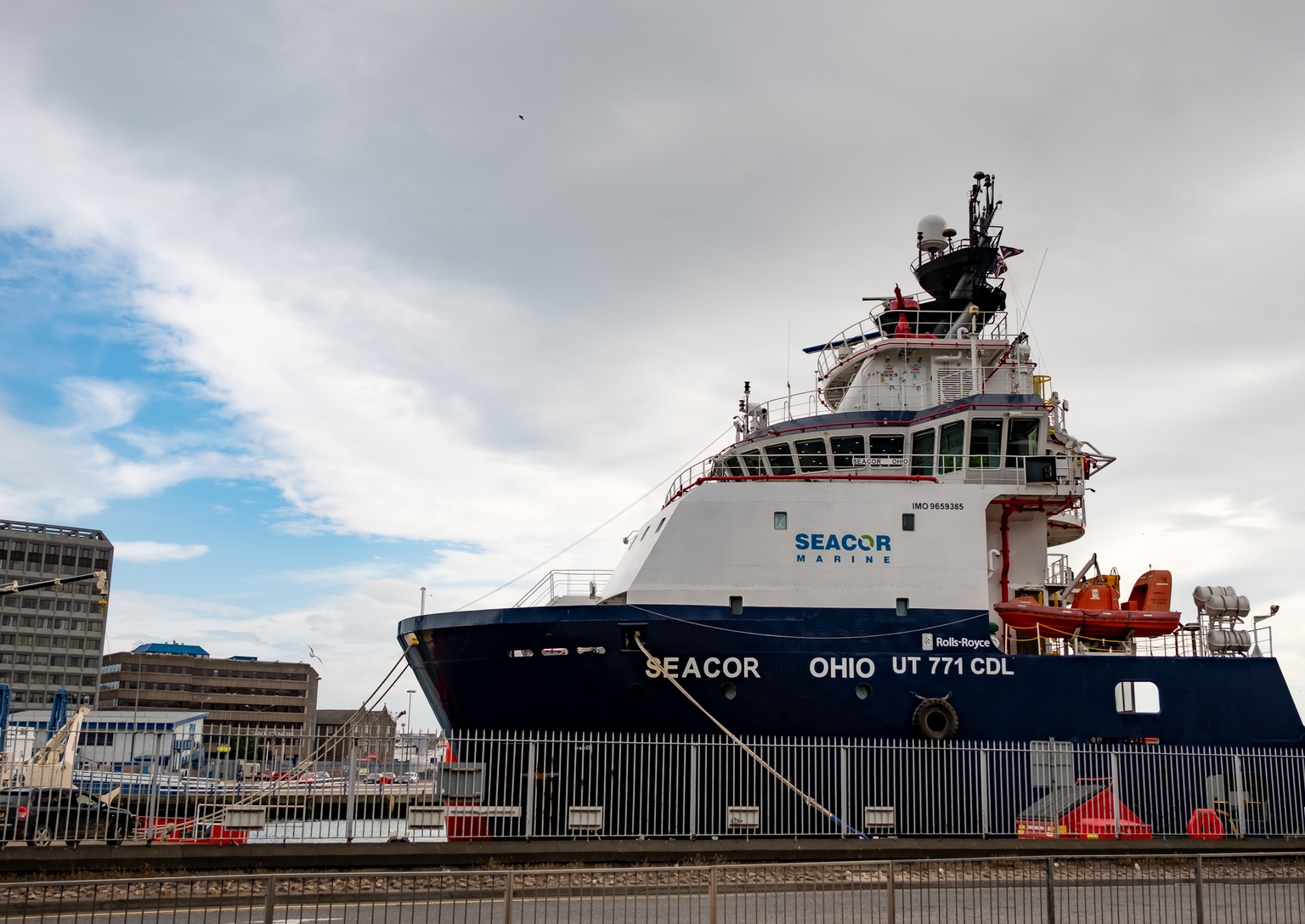
SEACOR Marine Holdings (NYSE:SMHI) is divesting non-core vessels to optimize its balance sheet. Watch for how these proceeds impact debt and future margins.
Continue with
SEACOR Marine Holdings (NYSE:SMHI) is shifting its operational focus toward asset optimization, specifically through the divestiture of non-core vessels. This strategic pivot aims to streamline the balance sheet and improve liquidity by shedding older or underutilized assets within its offshore marine support fleet. For investors, the primary question is whether these proceeds will be directed toward debt reduction or reinvestment into higher-margin, specialized vessel classes.
Evaluating the Asset Divestiture Mechanism
The decision to sell specific marine assets serves as a direct lever for capital allocation. In the offshore support vessel sector, asset sales are rarely just about cash generation; they often represent a tactical exit from specific geographic markets or vessel categories that no longer align with long-term utilization targets. By reducing the size of the fleet, the company lowers its ongoing maintenance and regulatory compliance costs, which can provide an immediate, albeit non-recurring, boost to cash flow.
However, the market often views these divestitures with skepticism if the proceeds are not clearly earmarked for deleveraging. If the company chooses to use these funds to upgrade its remaining fleet, it faces execution risk regarding the timing of capital expenditures versus the volatility of offshore energy demand. Investors should assess whether the sale prices achieved align with the book value of these vessels, as significant write-downs would indicate a failure to forecast the secondary market demand for aging offshore equipment.