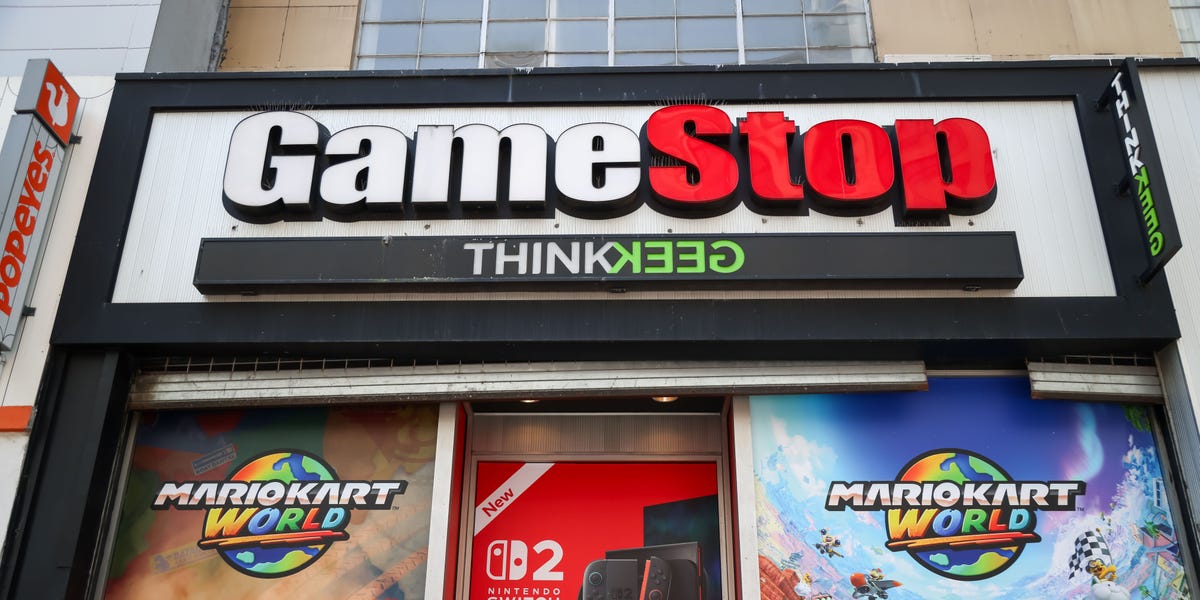
GameStop CEO Ryan Cohen has initiated an unsolicited proposal to acquire eBay, a move that has triggered significant market speculation regarding the strategic logic of combining these two distinct retail entities. The proposal, which surfaced on Sunday, places a spotlight on the disparate operational models of the two companies. GameStop, currently navigating a transition toward a leaner footprint and digital-first strategy, faces the challenge of integrating a massive, established marketplace platform like eBay. The immediate market reaction has been characterized more by social media fervor than by institutional consensus, as the scale of the proposed acquisition dwarfs GameStop's current market capitalization.
From a structural perspective, the read-through for the broader consumer discretionary sector is complex. eBay operates as a mature, high-liquidity marketplace with a global user base, whereas GameStop remains tethered to the volatility of its legacy physical retail business and the intense retail-investor interest that defines its ticker. The primary mechanism for any such deal would require significant capital restructuring or a massive equity issuance, both of which carry substantial execution risk for existing shareholders. Investors are now forced to evaluate whether this bid represents a genuine attempt at business transformation or a tactical maneuver designed to capture market attention.
For those tracking the GME stock page, the current Alpha Score of 49 reflects a mixed outlook, suggesting that the market remains skeptical of the company's ability to execute on large-scale M&A without diluting its core value proposition. Conversely, the EBAY stock page shows an Alpha Score of 62, indicating a more stable, moderate sentiment profile. The divergence between these scores highlights the fundamental tension in this potential deal. While eBay offers the infrastructure that GameStop lacks, the integration costs and cultural misalignment between a niche gaming retailer and a generalist e-commerce giant could prove insurmountable.
Market participants should focus on the next concrete marker, which will be the formal response from the eBay board of directors. A rejection of the bid would likely shift the focus back to GameStop's internal operational metrics and its ability to generate sustainable cash flow without relying on speculative acquisitions. If the board engages in discussions, the focus will turn to the financing structure and the potential for a hostile takeover attempt. The reality of this situation is that the sheer size difference makes a successful acquisition unlikely under current market conditions. The next few sessions will reveal whether this proposal serves as a catalyst for a broader shift in retail strategy or if it remains a transient event in the ongoing narrative of memestock volatility. Traders should monitor the spread between the current market prices and the implied value of the proposal to gauge the market's true belief in the deal's viability.