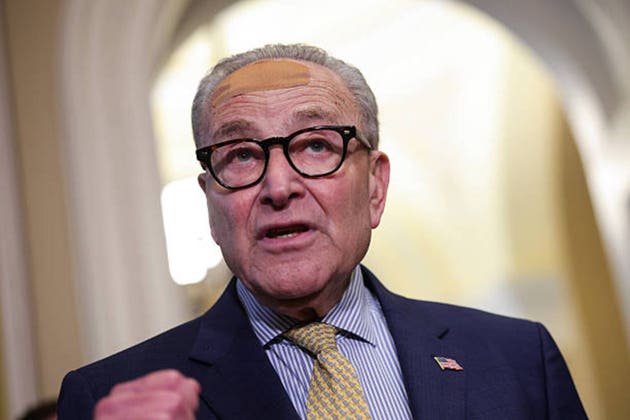
Senate Majority Leader Chuck Schumer has formally requested that the House of Representatives and the White House implement a comprehensive ban on prediction market trading for government officials. This push follows the Senate's recent legislative action to prohibit such activity, citing significant concerns regarding potential insider trading risks and the integrity of federal decision-making processes. The call for a broader federal prohibition stems from ongoing scrutiny of how officials might leverage non-public information to influence or profit from speculative betting platforms.
Insider Risk and Regulatory Precedent
The core of the legislative concern centers on the intersection of sensitive government data and the rapid expansion of event-based betting markets. By restricting the ability of officials to participate in these markets, the Senate aims to mitigate the risk of conflicts of interest where policy decisions could be directly tied to financial outcomes on prediction platforms. The mention of a Department of Justice case underscores the severity of the perceived threat, suggesting that federal authorities are already investigating instances where market activity may have crossed legal boundaries related to the misuse of privileged information.
For market participants, this development signals a potential shift in the regulatory environment surrounding alternative data and speculative trading. If the House and White House adopt these measures, it could lead to a contraction in liquidity for specific prediction markets that rely on high-level political insights. While these platforms often argue that they provide valuable forecasting data, the regulatory focus is shifting toward the potential for market manipulation and the erosion of public trust in government institutions.
Market Liquidity and Institutional Exposure
Beyond the immediate legislative impact, the move highlights a growing tension between the rise of decentralized or niche betting markets and traditional financial oversight. As these platforms gain traction, the risk of regulatory intervention increases, particularly when the underlying assets are tied to geopolitical events or legislative outcomes. Investors should consider how a federal ban might affect the broader ecosystem of stock market analysis and the availability of predictive data streams that have become increasingly popular for gauging political risk.
If the House moves to codify these restrictions, the immediate effect will be a reduction in the volume of trades originating from entities with access to non-public information. This could lead to wider spreads and decreased efficiency in prediction markets that have historically relied on the participation of well-informed, albeit potentially conflicted, actors. The ultimate test for these platforms will be their ability to maintain operational viability in a landscape where federal oversight is tightening and the legal risks associated with insider influence are being aggressively addressed by the Department of Justice.
The next concrete marker for this policy shift will be the legislative response from the House leadership and the formal position taken by the White House. Any indication of bipartisan support for a unified ban would likely accelerate the timeline for implementation, forcing prediction market operators to adjust their compliance frameworks or face potential legal challenges. Monitoring the specific language of any proposed House bill will be essential to determine the scope of the ban and whether it extends to broader categories of government employees or contractors.