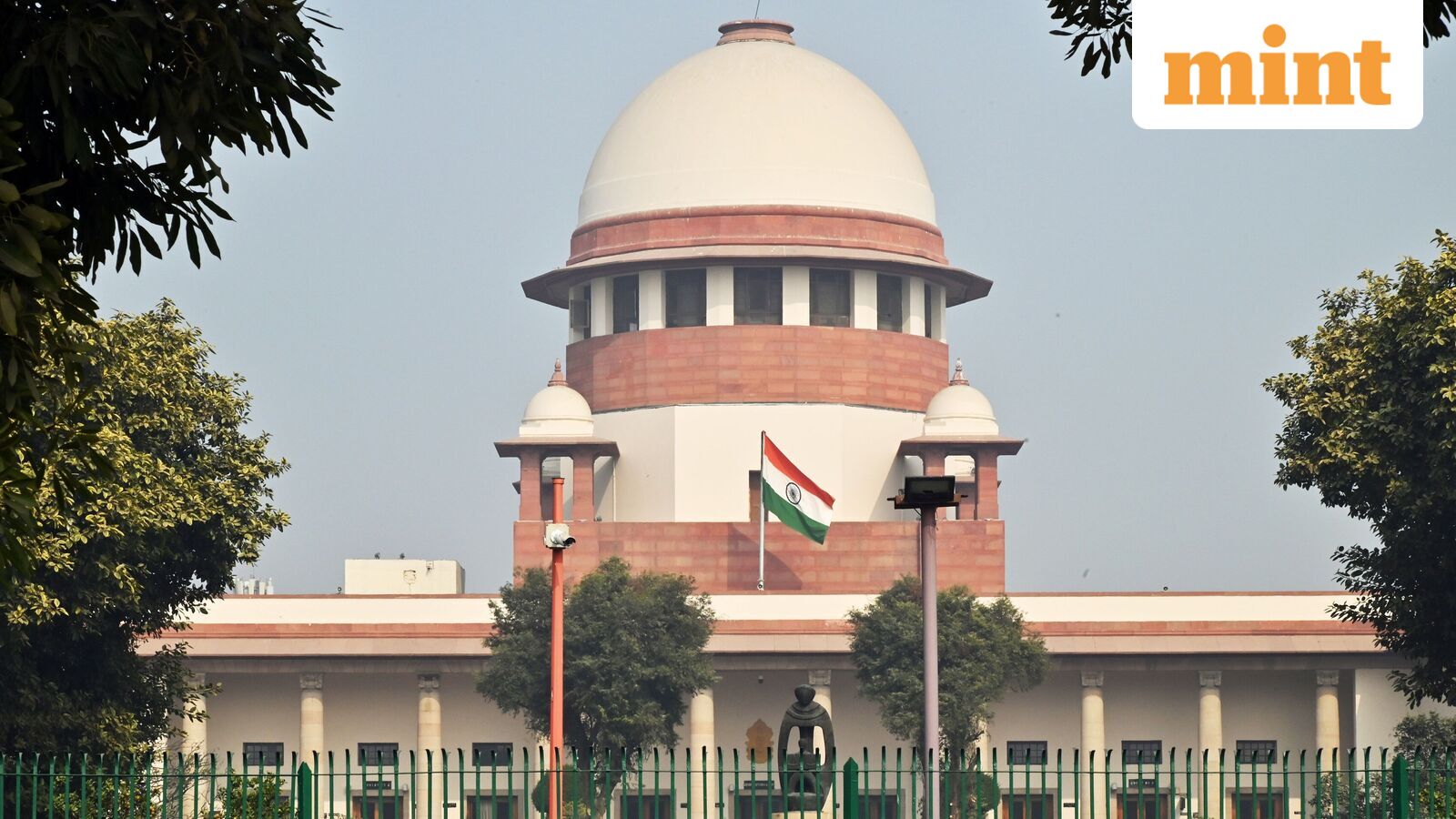
The Supreme Court on Monday reversed its earlier position and allowed the Reliance Industries Ltd-led consortium to pursue conciliation with the Union government over the 13-year-old KG-D6 gas migration dispute. A three-judge bench comprising Chief Justice Surya Kant, Justice Joymalya Bagchi and Justice Vipul M. Pancholi accepted Reliance’s plea for conciliation after five days of hearings. Attorney General R. Venkataramani, appearing for the Centre, said the government was willing to consider a fresh request for conciliation.
The decision shifts the trajectory of a nearly $3 billion claim from a rigid litigation path to a possible negotiated settlement. The immediate consequence for traders is a reduction in binary legal risk. Reliance now has a credible path to resolve the dispute without a final adverse judgment. The conciliation process itself introduces new uncertainties around timing and the final settlement amount. The court has adjourned the matter until July 21, setting a clear next catalyst date.
The $2.81 Billion Claim and ONGC's Allegations
The dispute originates from 2013 when state-run Oil and Natural Gas Corp (ONGC) alleged that the Reliance- BP -Niko consortium extracted gas that had migrated from ONGC's adjacent KG-D5 and G-4 blocks in the Krishna-Godavari basin. A 2014 study by consulting agency DeGolyer and MacNaughton confirmed significant gas migration from ONGC's blocks between 2009 and 2015.
In March 2025, the ministry of petroleum and natural gas raised a demand of $2.81 billion from Reliance (which holds 66.67% of the project), BP (33.33%), and Niko (which exited its 10% stake in December 2019). The consortium challenged the demand after a Delhi High Court division bench set aside a prior arbitration award in their favour led by Singapore-based arbitrator Lawrence Boo.
Government's Changed Position
Last week on May 20, the attorney general declined Reliance's conciliation plea, and the apex court initially refused. On Monday, Attorney General R. Venkataramani stated that the government was willing to consider a fresh request for conciliation. Chief Justice Surya Kant insisted on hearing full arguments before deciding.
Senior lawyer Abhishek Manu Singhvi, representing Reliance, argued that the matter qualifies as international commercial arbitration because BP Exploration and Niko Resources are internationally registered companies. He also noted that gas is a "fugitive mineral" that migrates from high-pressure to low-pressure areas–a scientific defence central to the consortium's case.
Venkataramani countered sharply, telling the court that the consortium "committed a theft" of ONGC's gas. That aggressive rhetoric remains a risk factor for any negotiation.
Reliance's Exposure: What a Settlement Means
For Reliance, a $2.81 billion liability represents roughly 3.5–4% of its current market capitalisation, depending on exact valuations at any point. A forced payment could affect cash flows from the KG-D6 block, which has been a significant contributor to the company's upstream earnings.
Key exposure points include:
- The claim covers gas extracted between 2009 and 2015, meaning the potential liability is already booked historically not yet on the balance sheet as a provision.
- A full adverse judgment would require payment and could set a precedent for future claims on other blocks where migration is alleged.
- BP's 33.33% stake makes it a co-defendant; Reliance bears the operational and contractual lead.
- Niko has exited, the government's demand originally named Niko. Whether the consortium can recover any portion from Niko remains uncertain.
What a Settlement Could Look Like
A negotiated settlement would almost certainly be lower than the full $2.81 billion demand. Both sides have incentives to avoid a prolonged legal battle. The government avoids the risk of losing in arbitration again. Reliance avoids the uncertainty of a Supreme Court verdict that could uphold the high court's decision.
Shiv Sapra, partner at Kochhar & Co., said: "It does reflect a recognition that high-stakes arbitrations involving sovereign resources carry inherent uncertainty, regardless of prior successes before arbitral tribunals."
The comment underscores that even after winning at arbitration, companies can face prolonged court challenges. Gautam Mohanty, advocate at Delhi High Court, highlighted a structural contradiction: India wants to appear investor-friendly by promoting arbitration, courts and the government can still closely review or challenge awards, especially in cases involving national resources.
Timeline to July 21 and the Conciliation Process
The court's order sends the parties into conciliation. The details of the process are not yet fixed. The July 21 hearing will likely set the framework: who the conciliator will be, the scope, and the timeline.
| Event | Date | Status |
|---|
| ONGC flags gas migration | 2013 | Past |
| DeGolyer & MacNaughton study confirms migration | 2014 | Past |
| Government demand of $2.81 billion | March 2025 | Past |
| Initial conciliation plea declined | May 20, 2025 | Past |
| Supreme Court allows conciliation | May 26, 2025 | Current |
| Next hearing to set conciliation terms | July 21, 2025 | Future catalyst |
What Would Reduce the Risk
A settlement at $1 billion or below (roughly 35% of the claim) would be a clear positive. It would remove legal overhang and allow Reliance to redirect management focus. A structured payment plan over multiple years would reduce financial strain.
What Would Make It Worse
Failure of conciliation by the July 21 date would send the case back to litigation. That would likely push final resolution into 2026 or beyond, maintain uncertainty, and keep the $2.81 billion liability as an overhang. Negative comments from the court on the merits during the July hearing could spook investors.
Risk to watch: The conciliation process is confidential. Traders will have few public signals until the next court date. Volume and price action in Reliance shares around July 21 will be the only real-time tell.
India's Arbitration Credibility in the KG-D6 Spotlight
Shiv Sapra noted that high-stakes arbitrations involving sovereign resources carry inherent uncertainty. This dispute is a test case for the tension between India's desire to appear investor-friendly and its willingness to challenge awards involving national resources.
For international investors holding Reliance or BP, the case matters beyond the immediate dollar amount. A swift, reasonable settlement would support the narrative that India's legal system can resolve investor disputes pragmatically. A breakdown would reinforce skepticism about sovereign arbitration risk in the oil and gas sector.
Practical rule for traders: The more conciliatory the government's language, the lower the expected settlement multiple. The attorney general's agreement to consider a fresh request is a positive signal. His "theft" accusation suggests the government will not settle cheaply.
For a broader perspective on how legal and regulatory events affect stock valuations, see our stock market analysis section. The case also ties into the recurring theme of sovereign risk in emerging-market resource plays–a dynamic we covered in Why Traditional Diversifiers Are Failing Now.
The next six weeks will determine whether this 13-year dispute ends with a settlement or heads back to the courtroom. The Supreme Court has given both sides a path to exit. The hard part–agreeing on the price of that exit–starts now.