Stocks● Neutral
Saudi POS Weekly at SAR 14.4B; Four-Week Average Signals Uptrend
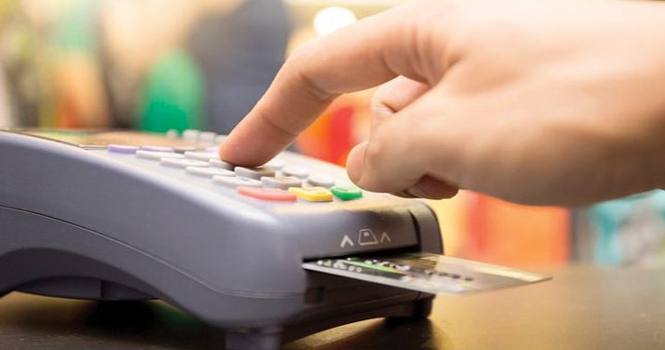
The four-week moving average of SAR 13.6B shows Saudi POS spending structurally above prior years. The 2025 range expansion is the real signal, not the weekly noise.
Continue with
The Saudi Central Bank (SAMA) reported point-of-sale transactions of nearly SAR 14.4 billion in the week ended May 30, up from SAR 14.3 billion a week earlier. The number of transactions rose to 250.9 million from 241.7 million. The simple read is a steady consumer spending picture. The better read comes from the four-week moving average, which smooths over the calendar distortions and sits at SAR 13.6 billion. That average tells the real story: Saudi consumer spending has shifted structurally higher in 2025 relative to any of the prior three years.
The Weekly Number and the Salary Disbursement Distortion
The weekly increase coincides with the government salary disbursement cycle. SAMA notes that POS values rise during weeks that include the 27th of each month, the pay day for government employees. The week ended May 30 includes May 27, so the uplift is partly borrowed demand. The following week often prints lower as the salary effect fades.
Why the Four-Week Moving Average Matters
A single weekly print is noisy. The four-week moving average strips out these predictable pay-day spikes and holiday surges. The current SAR 13.6 billion average is above the high end of the 2024 range. This is not a flash in the pan.
Previous Year Ranges Show a Step Change
The following table compares the four-week moving average minimum and maximum for each year from 2022 through 2025.
| Year | Four-Week Moving Average Range (SAR billions) |
|---|---|
| 2025 | 11.4 – 15.3 |
| 2024 | 11.5 – 13.8 |
| 2023 | 10.4 – 12.7 |
| 2022 | 9.4 – 11.6 |
The 2025 low of SAR 11.4 billion already exceeds the 2023 high. The 2025 high of SAR 15.3 billion clears 2024's best weeks by SAR 1.5 billion. The range has both lifted its floor and extended its ceiling.
Spending Concentration: F&B and Riyadh Dominate the Mix
Category breakdown in the latest week shows two sectors accounting for nearly a third of all POS spending.