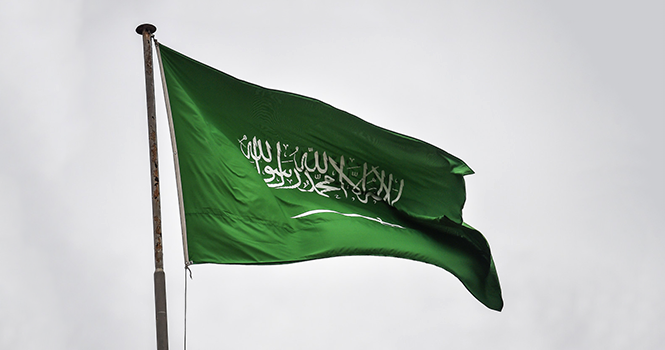
Foreign direct investment inflows into Saudi Arabia reached SAR 1.099 trillion by the end of 2025, representing a 13% year-on-year increase. This growth trajectory underscores a significant reallocation of capital toward the Kingdom as it pursues long-term economic diversification goals. FDI now accounts for 33% of the total foreign investment landscape in the country, marking a shift in the composition of external capital participation.
Capital Composition and Economic Integration
The rise in FDI reflects a broader trend of institutional capital moving into regional infrastructure and industrial projects. As foreign participation grows, the reliance on traditional portfolio investments is being supplemented by direct ownership stakes in domestic enterprises. This transition is critical for sectors requiring long-term capital commitments, such as energy, logistics, and emerging technology hubs. The increase in direct investment suggests that international entities are prioritizing operational presence over passive market exposure.
For investors monitoring regional liquidity, this shift provides a clearer view of where capital is being anchored. Unlike volatile portfolio flows, FDI represents a commitment to local production and service capabilities. This trend aligns with broader regional developments, such as the liquidity shifts observed in Saudi Advanced Industries and Ades Holding, where corporate activity is increasingly tied to long-term strategic partnerships rather than short-term market fluctuations.
Sectoral Impact and Valuation Drivers
The 13% growth rate serves as a barometer for the success of ongoing regulatory reforms designed to attract global capital. As FDI becomes a larger share of the total investment pie, the valuation of domestic firms is increasingly influenced by their ability to integrate with these international partners. Companies that successfully align their operational roadmaps with the influx of foreign capital are likely to see improved access to technology transfers and global supply chain networks.
AlphaScala currently tracks various technology-adjacent firms navigating these shifting capital flows. For instance, ON Semiconductor Corporation holds an Alpha Score of 45/100, categorized as Mixed within the technology sector. This score reflects the complexity of balancing global demand with the localized capital requirements that are becoming more prevalent in high-growth markets.
- Total FDI reached SAR 1.099 trillion by year-end 2025.
- FDI now constitutes 33% of total foreign investment in the Kingdom.
- The 13% year-on-year growth indicates a sustained trend of capital deepening.
Future Policy Markers
The next phase of this narrative will be defined by the sustainability of these inflows during periods of global economic tightening. Investors should monitor upcoming government disclosures regarding the specific sectors receiving the largest share of these investments. These reports will clarify whether the capital is concentrated in legacy industries or if it is successfully pivoting toward the non-oil sectors prioritized in national development agendas. The ability of the Kingdom to maintain this growth rate will serve as the primary indicator for the success of its current investment climate reforms.