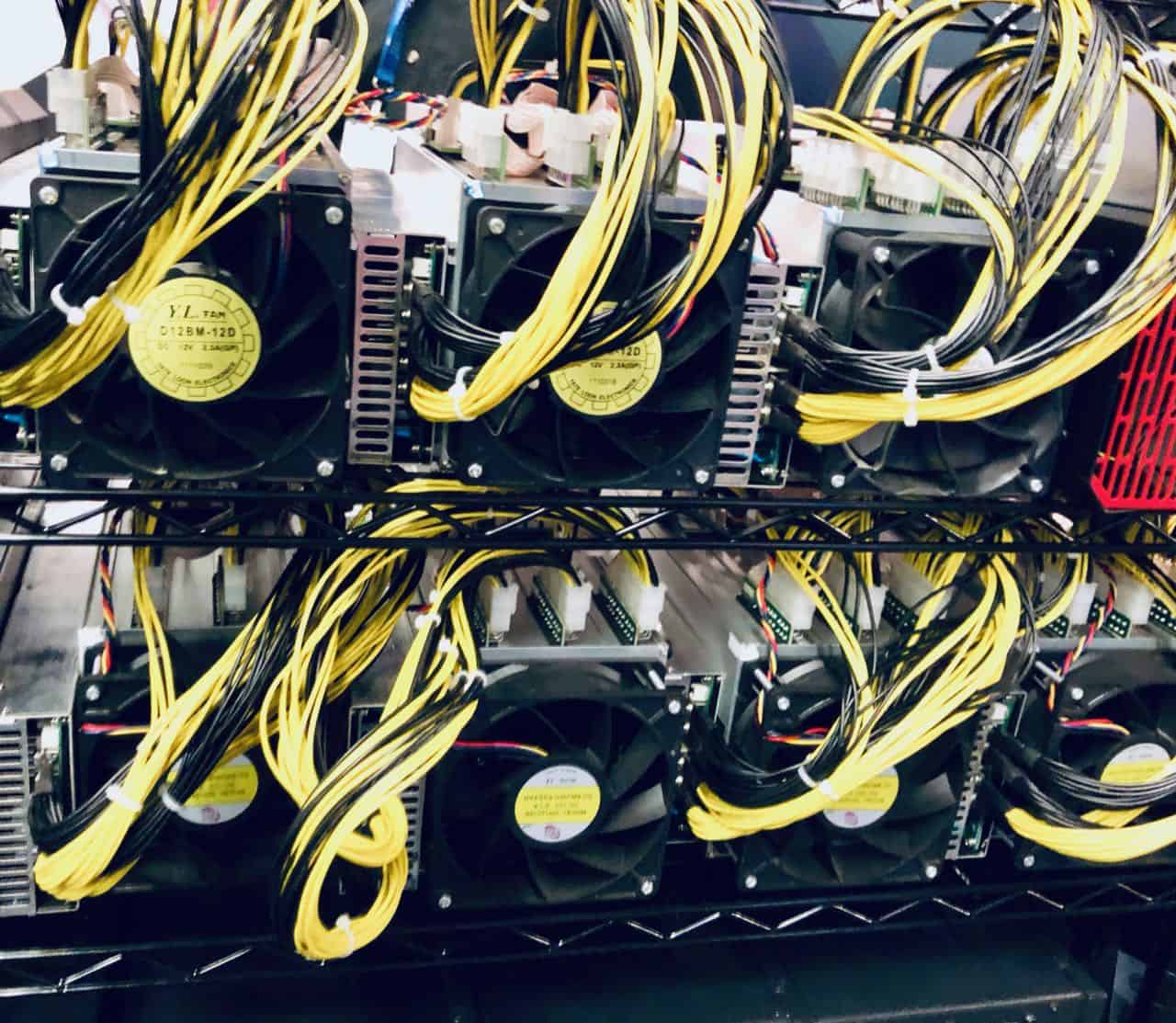
The classification of graphics processing units as a foundational component of artificial intelligence infrastructure has reached a critical inflection point. Recent analysis confirms that these processors are transitioning from standard hardware components into a distinct alternative asset class, fundamentally altering how institutional capital interacts with the technology supply chain.
The Financialization of Compute Capacity
The shift is driven by the realization that compute power now functions as a primary input for enterprise productivity. As organizations prioritize the deployment of large-scale models, the scarcity of high-end processing units has created a secondary market for capacity that mirrors traditional infrastructure investments. Investors are increasingly viewing GPU clusters not as depreciating hardware, but as revenue-generating assets that provide long-term utility in a data-driven economy.
This evolution changes the risk profile for firms heavily exposed to the hardware cycle. Companies that previously managed inventory based on consumer demand must now account for the long-term leasing and utilization rates of their hardware fleets. The move toward asset-backed financing for these units suggests that the market is beginning to treat compute cycles with the same rigor as energy or telecommunications infrastructure.
Sector Read-through and Hardware Scarcity
The emergence of GPUs as a strategic asset class has direct implications for the broader technology sector. As capital flows toward the physical infrastructure of AI, the valuation of companies managing these resources is decoupling from traditional semiconductor cycles. This trend is particularly relevant for firms like NVIDIA profile, which sits at the center of this hardware-as-an-asset paradigm.
For investors, the primary concern is no longer just the unit sales volume, but the longevity and efficiency of the installed base. If GPUs are to be held as long-term assets, the maintenance, energy consumption, and software compatibility of these units become the primary drivers of return on investment. This shift forces a re-evaluation of how stock market analysis accounts for hardware depreciation in an era of rapid model iteration.
AlphaScala Data and Strategic Positioning
Market participants are currently navigating a landscape where hardware utility is paramount. While our current coverage includes various sectors, the infrastructure-heavy nature of this transition is reflected in our broader data sets. For instance, companies like AS stock page in the consumer cyclical space or A stock page in healthcare face different pressures, but the underlying demand for high-performance computing remains a common thread across diverse industries.
- Capital allocation is moving toward long-term infrastructure leasing.
- Hardware is increasingly treated as a yield-bearing asset rather than a consumable.
- Operational efficiency of data centers is now a proxy for financial health.
The next concrete marker for this trend will be the reporting of capital expenditure versus leasing revenue in upcoming quarterly filings. Investors should monitor how firms account for the residual value of their GPU fleets, as this will determine the sustainability of the current infrastructure build-out. The transition from a hardware-purchase model to an asset-management model will likely define the next phase of corporate investment in AI.