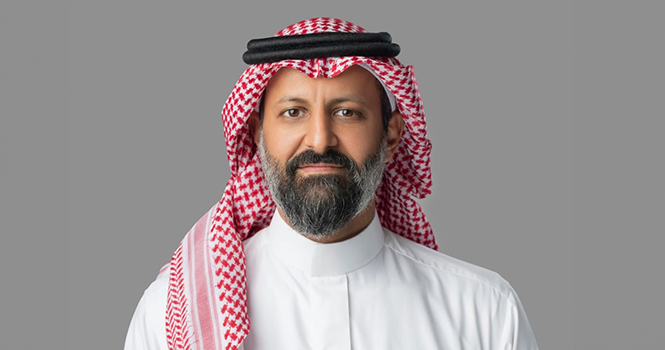
Mohammed El-Kuwaiz ended a nearly nine-year tenure as chairman of Saudi Arabia's Capital Market Authority on Aug. 13, 2026. A royal order issued the same day relieved him of the post and appointed Mazen Al-Sudairi to head the authority's board.
El-Kuwaiz took office in July 2017 as the CMA's fifth chairman. The capital market expanded in size and depth over his term and opened further to foreign investors. Assets under management passed SAR 1.2 trillion.
Main Market companies numbered about 176 when El-Kuwaiz arrived; the count reached 270. Nomu-Parallel Market, the venue for smaller companies, went from nine listings in July 2017 to 125.
The CMA approved 60 offering and registration applications in 2024 alone, and 44 listings were completed across the Main Market and Nomu. The 2019 listing of Saudi Aramco was one of the world's largest IPOs.
A debt market developed in parallel. Government-issued debt instruments listed for the first time in 2018, and the sukuk and debt market has since grown into an important source of financing.
In 2018, MSCI and FTSE Russell classified the Saudi stock market as emerging; S&P Dow Jones made the same call. Index inclusion began in 2019.
MSCI Inc., the index provider behind those benchmarks, carries a Mixed Alpha Score of 46/100 on AlphaScala's MSCI stock page.
Foreign access widened in stages. Qualification and account-opening procedures were simplified, and direct investment in debt instruments was allowed. From Feb. 1, 2026, the Main Market opened to all categories of non-resident foreign investors under a framework approved by the CMA board. Foreign investors' ownership in Saudi equities rose from about SAR 70 billion in 2017 to roughly SAR 450 billion by August 2026, a more than sixfold increase, the regulator said.
The CMA strengthened corporate governance and market conduct regulations, securities offering and continuing obligations rules, merger and acquisition regulations, and rules covering investment funds and capital market institutions. Enforcement tightened at the same time. The regulator referred cases to the Public Prosecution and imposed fines on companies and investors found in breach.
Class actions were permitted, letting investors seek compensation for damages. Transparency in investment and trading also came under scrutiny.
Assets under management rose from about SAR 391 billion at the end of 2017 to more than SAR 1 trillion in 2024, then above SAR 1.2 trillion in 2025. Investment fund numbers more than tripled.
Together with the Saudi Central Bank (SAMA), the CMA launched a fintech laboratory in 2017. The initiative supported fintech companies, and the number operating in the market has grown.
In 2025 the CMA introduced compensation funds as an additional route alongside individual and class actions filed before the committees for resolution of securities disputes. Digital infrastructure and procedural frameworks came first, bridging public and private rights. Payouts reached more than 20,000 investors affected by violations involving Al Kathiri and Anaam Holding shares in June 2026, according to the CMA.