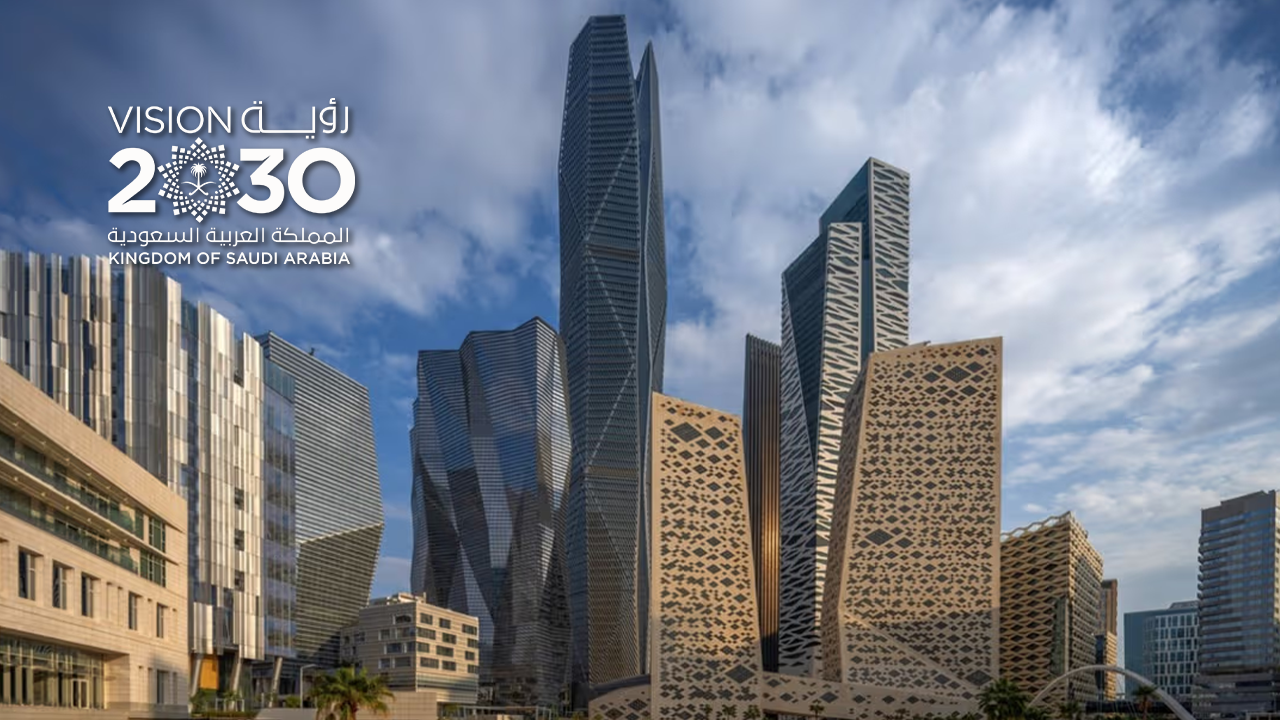
Saudi Arabia released its Vision 2030 annual report for 2025, detailing significant shifts in the kingdom's economic landscape as it moves past the midpoint of its long-term development strategy. The report outlines the progress of performance indicators tied to non-oil sector growth, infrastructure expansion, and the integration of new industrial sectors into the national economy. These metrics serve as the primary benchmark for the kingdom's transition away from hydrocarbon dependency.
Progress in Non-Oil Economic Diversification
The 2025 report emphasizes the expansion of non-oil activities, which have become a central pillar of the government's fiscal planning. By focusing on sectors such as tourism, manufacturing, and digital services, the kingdom aims to decouple its national budget from the volatility of global energy markets. The data provided in the report suggests that the structural reforms initiated over the last several years are now yielding measurable changes in domestic output and employment rates outside of the traditional energy sector.
Infrastructure development remains a primary driver of this transition. The report highlights the completion of key milestones in large-scale projects designed to attract foreign direct investment and improve the domestic business environment. These developments are intended to create a more resilient economic base capable of sustaining growth during periods of fluctuating commodity prices.
Fiscal Sustainability and Performance Metrics
Beyond industrial growth, the report addresses the management of fiscal resources and the efficiency of public spending. The government has implemented new performance monitoring frameworks to ensure that capital expenditure aligns with the broader goals of Vision 2030. This focus on fiscal discipline is intended to provide a stable foundation for private sector participation, which the report identifies as a critical component for long-term success.
Investors looking at the broader regional impact of these shifts often track the performance of financial institutions and industrial firms that are heavily exposed to Saudi market developments. For instance, KeyCorp, which holds an Alpha Score of 68/100, reflects the type of financial sector monitoring that market participants apply when assessing regional economic health. More information on such metrics can be found on the KEY stock page.
Next Steps for Economic Integration
The release of this report sets the stage for the next phase of policy implementation, which will likely focus on the operational maturity of the projects launched under the Vision 2030 umbrella. The government is expected to shift its attention toward optimizing the regulatory environment to further lower barriers for international capital. The next concrete marker for observers will be the subsequent quarterly fiscal updates, which will confirm whether the growth trends identified in this annual report are maintaining their momentum throughout the remainder of the year. These updates will be essential for verifying the sustainability of the current non-oil growth trajectory.