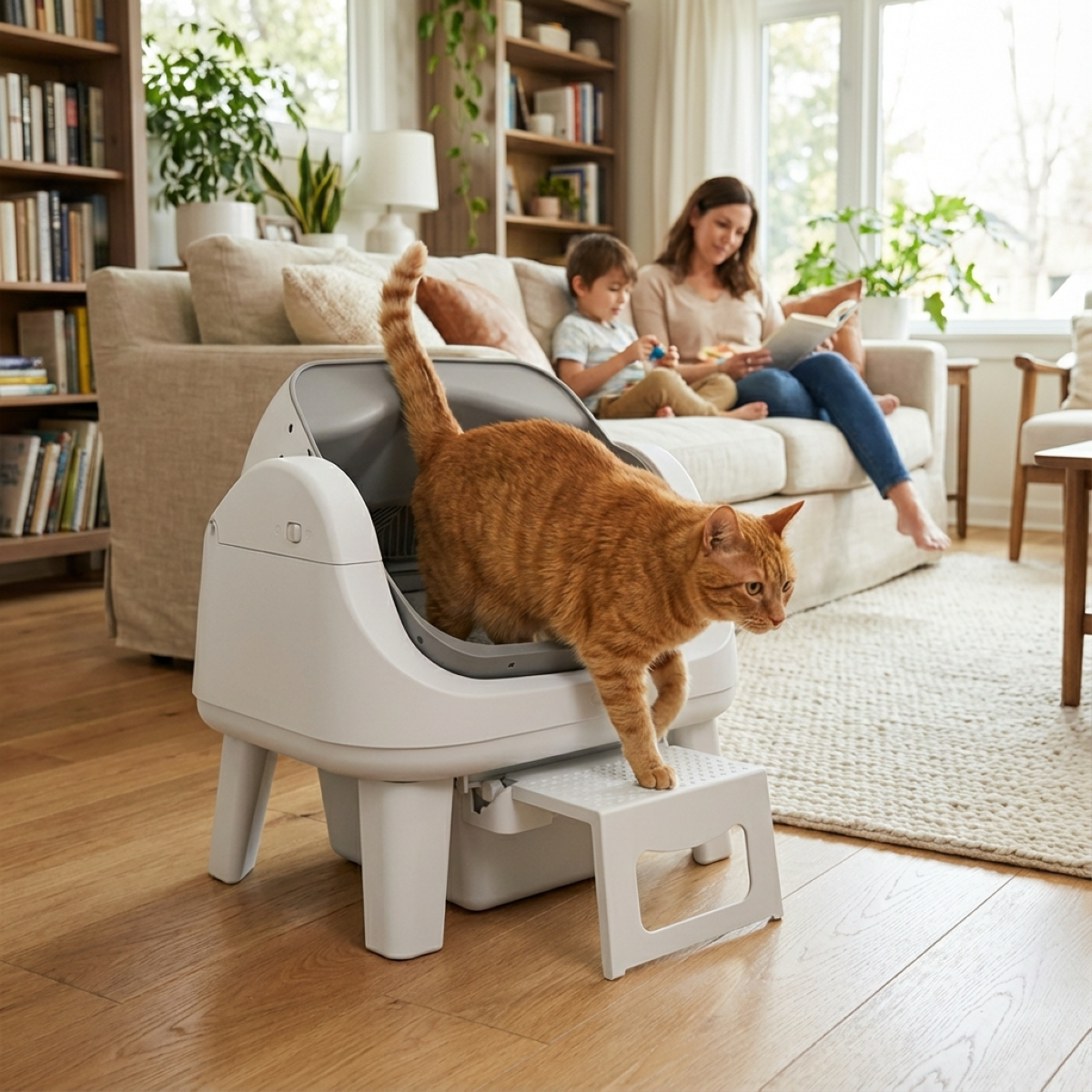
PetPivot has initiated a targeted promotional campaign for its AutoScooper 11 and AutoScooper 12 Lite models, offering a $20 discount to capture consumer spending ahead of the Mother’s Day holiday. This move signals a tactical shift toward seasonal discounting to drive unit volume for the company's core automated litter box hardware. By focusing on specific product lines, the brand is attempting to clear inventory or increase market penetration in the competitive pet technology space.
Hardware Lifecycle and Inventory Management
The decision to discount both the AutoScooper 11 and the 12 Lite suggests a coordinated effort to manage product lifecycles across different price tiers. Discounting hardware often serves as a precursor to new product introductions or a response to softening demand in the consumer electronics sector. For a niche player like PetPivot, maintaining momentum in unit sales is critical to sustaining the recurring revenue streams typically associated with proprietary consumables like litter and waste bags.
Investors should monitor whether this promotional activity impacts gross margins in the upcoming fiscal quarter. While price reductions can boost top-line revenue through increased volume, they often compress margins if the cost of goods sold remains elevated. The company must balance the need for customer acquisition with the long-term profitability of its hardware-as-a-service model.
Sector Read-through and Consumer Discretionary Trends
The pet technology sector has seen increased competition as brands vie for space in the automated home appliance category. PetPivot’s strategy reflects broader trends in the consumer discretionary sector where companies are increasingly utilizing holiday-specific windows to stimulate demand. This approach is common among firms looking to differentiate their offerings from generic competitors through direct-to-consumer promotional events.
In the broader technology landscape, firms like LITE and ON continue to navigate their own inventory and demand cycles, reflecting the sensitivity of hardware-focused companies to consumer spending patterns. According to AlphaScala data, LITE currently holds an Alpha Score of 54/100, while ON sits at 45/100, both categorized as Mixed within the technology sector. These scores reflect the ongoing volatility in hardware demand that PetPivot is now attempting to mitigate through its promotional strategy.
Path to Future Performance
The next concrete marker for PetPivot will be the subsequent quarterly report, which will reveal the impact of these promotional discounts on overall profitability. Analysts will be looking for evidence that the $20 discount successfully converted potential buyers without significantly eroding the lifetime value of the customer base. If the promotion fails to move sufficient inventory, the company may face pressure to adjust its pricing strategy or increase marketing spend in the second half of the year.
Beyond the immediate financial results, the market will assess the brand's ability to retain these new customers through its subscription-based consumable products. Success in this area would validate the hardware-centric growth model, whereas a failure to drive recurring revenue would suggest that the hardware discounts are merely a short-term fix for broader demand challenges.