Stocks● Neutral
Saudi Arabia deploys smart sensors in Mina camps for Hajj
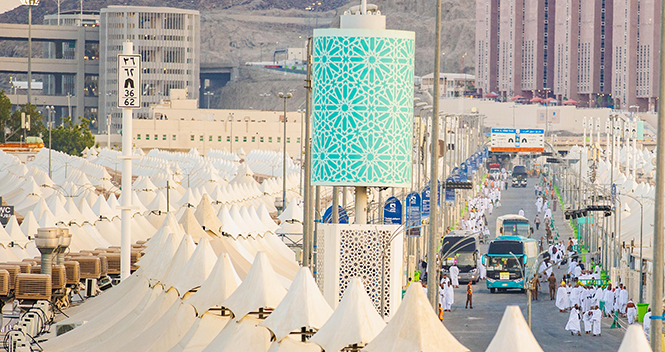
Saudi Arabia rolls out smart sensors in Mina camps for the first time during Hajj, signaling new tech spending under Vision 2030. Investors should watch for contract awards.
Continue with
Saudi Arabia deployed smart sensing systems in Mina camps for the first time during the current Hajj season, Assistant Deputy Minister for Hajj and Umrah Services Mohammed Batouk confirmed. The sensors will track pilgrims in real time, marking a shift from manual crowd monitoring toward data-driven logistics. Mina, the tent city outside Mecca, hosts over 2 million pilgrims during the annual ritual, making it one of the world's most dense temporary settlements. Past crowd incidents, including the 2015 stampede, have pushed authorities to invest in technology that can detect bottlenecks before they become deadly.
Why Mina's First Smart Sensor Test Matters for Investors
This deployment is not a standalone procurement. It represents a proof of concept for Saudi Arabia's broader Vision 2030 smart-city ambitions. The Ministry of Hajj has signaled that real-time tracking of pilgrim movement, if successful, could be scaled to other holy sites such as Arafat and Muzdalifah. For investors, the logical read‑through is a growing pipeline of IoT infrastructure contracts. Saudi technology firms with capabilities in sensor networks, edge computing, and analytics platforms are likely to win follow‑on orders. The Riyadh Short-Term Revenue Index, which jumped 10.2% in March, already points to accelerating economic activity in the capital. The Hajj tech spending fits that pattern.
The Mechanism for Crowd Control
Traditional Hajj management relies on pre‑planned schedules, physical barriers, and manual headcounts. Smart sensing changes the constraint: instead of static capacity limits, operators can adjust flow dynamically. The sensors – likely RFID tags, thermal cameras, or LiDAR – feed a central dashboard that shows real‑time density. When a corridor or plaza reaches a threshold, authorities can redirect pilgrims via SMS alerts or variable signage. This closed‑loop system lowers the risk of crowd crush while increasing the effective capacity of the site. The technology also generates longitudinal data that planners can use to optimize layouts for future seasons.