Back to Markets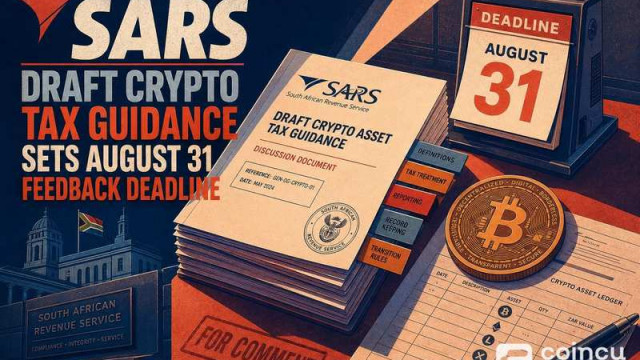 View all Q&A →
Crypto▲ Bullish
SARS Draft Crypto Tax Guidance Sets August 31 Feedback Deadline
SARS' draft crypto tax guidance treats swaps as barter, triggering immediate tax. Comment deadline August 31. Practical implications for holders and exchanges.
Continue with
The South African Revenue Service published a draft guide on taxing crypto assets on July 1. The consultation window closes August 31. The document covers sales, swaps, mining, staking, DeFi transactions, airdrops, and hard forks under the Income Tax Act.
One provision matters most for active traders. The draft treats crypto-to-crypto swaps as barter transactions. That means a swap triggers a tax event at the time of the exchange, not when the received asset later converts to fiat. Each swap requires determining the fair market value of both assets at that moment. Price volatility and thin liquidity on some pairs make that calculation harder than it sounds.
SARS calls the draft a statement of its current interpretive position, not a binding ruling. The document includes an explicit disclaimer that it is not an official publication and does not create a practice generally prevailing. That leaves room for changes based on public comments submitted by August 31.
The draft covers activities that earlier SARS guidance did not address, including DeFi lending, staking rewards, and airdrops. It also outlines record-keeping obligations that could strain taxpayers holding assets across multiple wallets and exchanges.
South Africa already implemented the OECD-backed Crypto-Asset Reporting Framework on March 1, 2026. That framework requires crypto service providers to report user transaction data to SARS. The draft guide explains how reported transactions should be taxed.
Comments must be emailed to policycomments@sars.gov.za by August 31. The document is a draft, and industry feedback can shape the final text, especially on edge cases like yield from DeFi protocols and cost-base calculations for airdropped tokens.
How this story was producedLast reviewed Jul 5, 2026
Prepared with AlphaScala research tooling and grounded in primary market data: live prices, fundamentals, SEC filings, hedge-fund holdings, and insider activity. Each story is checked against AlphaScala publishing rules before release. Educational coverage, not personalized advice.
Explore More
More from AlphaScala
Stocks
The humanization of Typo: Being wrong is the new right
Jul 6
StocksRobot Rentals: Why Renting Beats Buying in Fast-Moving Robotics
Jul 6
StocksFlathead Forge Backs NALA Membranes' Chlorine-Stable RO Tech
Jul 6
CryptoRWA deposits in DeFi hit $7.4B as utilization lags
Jul 6
IndicesEmaar EC sees factories, tourism boosting results in coming years
Jul 6
StocksAlcon Pays $60M Upfront for RxSight Adjustable IOL Deal
Jul 6
Trading Q&A
What is Bitcoin and how does it work?
Difference between Bitcoin and Ethereum?
How does cryptocurrency mining work?
What is proof of stake vs proof of work?