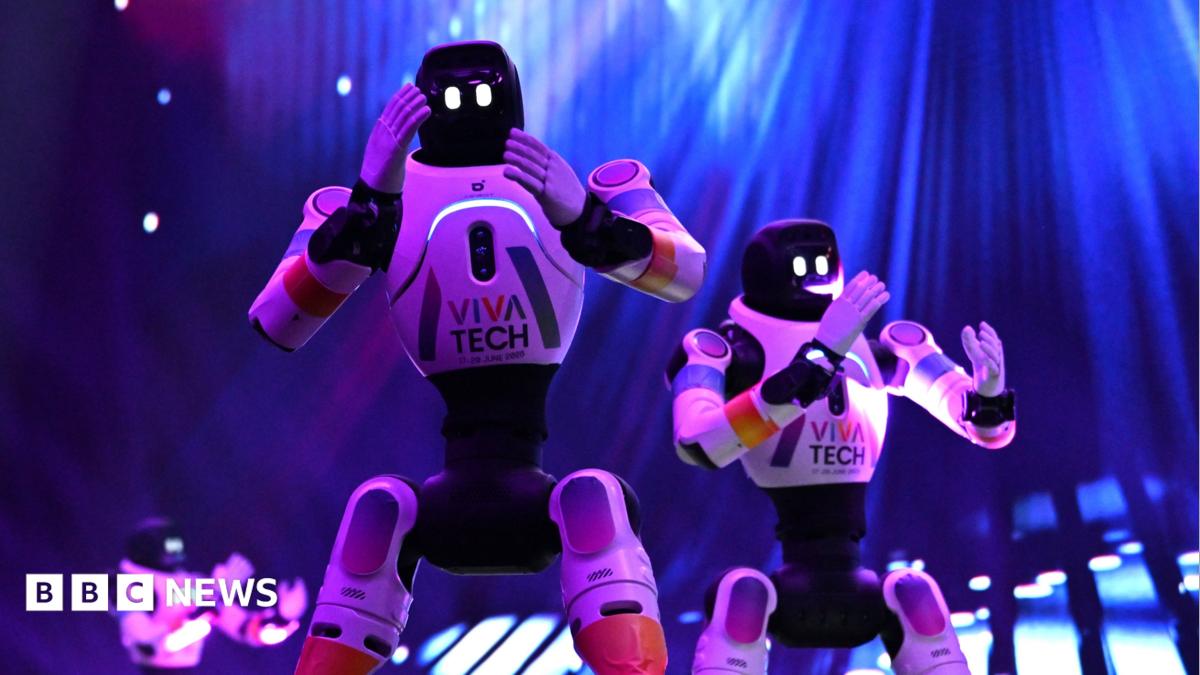
Robot rentals let hospitals, factories, and even homes access automation without the upfront cost. From Moxi to humanoids, the model solves obsolescence and expertise gaps.
Hospitals across the US are getting used to a one-armed, four-foot white robot named Moxi rolling through their halls. Nurses greet it with a high five or a hug. Moxi, made by Texas-based Diligent Robotics, shuttles medical supplies and responds with heart-shaped LED eyes and a beep. About 100 of the wheeled robots are in operation.
Bringing Moxi into a hospital does not mean buying one. The company rents it out under a model called robotics-as-a-service. Service, maintenance, and software upgrades are bundled into the deal. A human engineer in a remote control room can take over if needed.
"It lowers the expense and the outlay for the hospital because you're not paying for the full purchase up front," said Todd Brugger, Diligent's chief operating officer. "This tech is evolving very quickly. We're routinely evolving the software and capabilities of the robot."
Robot rentals now cover everything from a day to years. The machines work as bartenders, autonomous farm weeders, or hospital couriers. The category increasingly includes early humanoid models designed to look and behave like people.
Humanoids are still a work in progress, so they are rented for clearly defined tasks. That often means entertainment. A machine might dance, sing, or serve guests at a wedding or corporate event.
"You hire a real dancer to perform and video it. The video is then used to train the robot. Then the robot will know how to dance," said Ethan Qi, a Beijing-based associate director at Counterpoint Research. "The engineer will still often go with the robot in case the environment or the platform isn't simple."
Ambitions for humanoid rentals go beyond dance routines shared on social media, often from China. California-based 1X plans to start shipping its home helper robot NEO later this year. Early access customers in the US can pay $20,000 outright or $499 per month on a subscription.
"While many customers will buy a NEO outright, a subscription significantly lowers the upfront cost, making it affordable for far more people," said Dar Sleeper, vice president of product and design at 1X.
Part of the appeal of renting is the speed of hardware improvement. A new humanoid bought today is likely obsolete soon. "Every year the robotics companies release a new model, a new iteration of the hardware," Qi said. "If you own a robot, you can't trade it for a new one, if you rent a robot, you can always rent the newest."
A rental also removes the need for deep technical expertise. Customers take problems to the manufacturer or rental platform. "It helps to solve technical problems because customers don't know how to code the robots," Qi said.
Chicago-based Formic has a fleet of more than 250 industrial robots operating on a robot-as-a-service basis. "Everything is included," said Shawn Fitzgerald, chief revenue officer. "If the robot arm burns out, that's on us and we need to come bring you a new one."
Fitzgerald argued that Formic's flat monthly payment model "levels the playing field" for smaller companies that could not afford to buy factory robots outright. Formic is also testing humanoid robots for industrial uses.
Other payment schemes are emerging. Marco Wang, an analyst at Interact Analysis, said some companies have started requesting that rental fees be directly linked to how much human labour a robot saves them.
For manufacturers, a rental scheme offers a way to trial products in real-world scenarios and gather data. This is particularly important for humanoids. "The technology is still not there. It's still immature," Wang said.
Some firms in China, the early leader in humanoids, have leased their creations to work in hotels as a training ground for future domestic use. Others offer them on cleaning service apps. Chinese firms have started offering rentals overseas through partner businesses. Shanghai's Agibot says its humanoids are available for rent in 17 countries, including the UK.
Wang suspects outright humanoid purchases will dominate in China, encouraged by government incentives. "There are a lot of humanoid robot orders from Chinese state-owned companies and a lot of orders driven by subsidies," he said.
Some companies may also prefer to buy robots outright for the prestige, to learn from the technology, or because it is better for their bottom line. For others, as robots become more sophisticated and the market grows, the convenience and affordability of a rental may be the answer.
Prepared with AlphaScala research tooling and grounded in primary market data: live prices, fundamentals, SEC filings, hedge-fund holdings, and insider activity. Each story is checked against AlphaScala publishing rules before release. Educational coverage, not personalized advice.