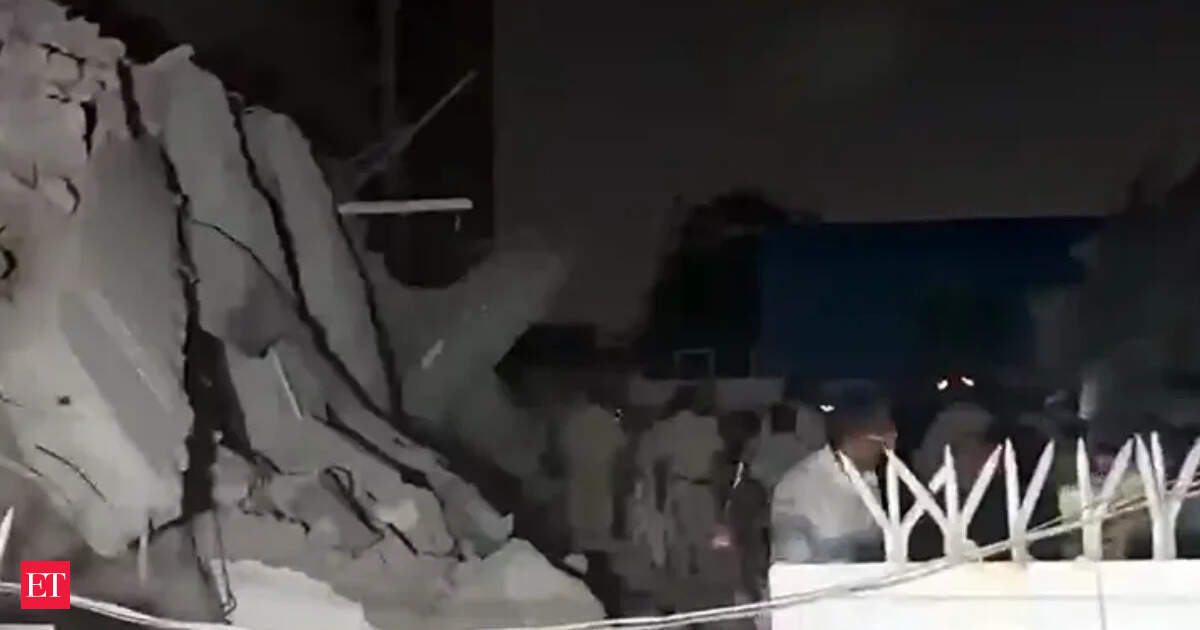
A five-storey collapse near Saket metro station threatens permit halts for Delhi-NCR developers. The municipal report will decide whether the regulatory fallout is narrow or broad.
A five-storey building collapsed near Saket metro station in south Delhi on Saturday evening. Several people are feared trapped under the rubble. The building housed a coaching institute on the ground floor, and construction work was ongoing on upper floors. Rescue operations are underway with fire tenders and police at the scene.
This event shifts the focus to safety enforcement in Delhi-NCR’s mixed-use zones. The presence of a coaching institute as a ground-floor tenant and active construction above amplifies the scrutiny on illegal vertical expansion. For real estate developers, the immediate consequence is the risk of permit suspensions and stricter building code enforcement across the region.
Past similar incidents have led to temporary halts on construction approvals in high-density corridors. This time, the municipal corporation will face pressure to act swiftly. Investors should note that stocks with concentrated exposure to Delhi-NCR residential-commercial projects may face a sentiment headwind in the near term. The broader Nifty Realty index could see a pullback even if the direct financial exposure is limited.
Beyond developers, the collapse raises liability questions for insurers underwriting construction risk in the area. Claims related to structural failures, worker injuries, and third-party damage could surface. Insurance companies with a high share of builder risk policies in Delhi-NCR may see an increase in claims frequency and policy cancellation requests for incomplete projects.
The coaching centre itself adds a tenant-liability layer. If structural defects or unapproved construction are confirmed, landlords and contractors could face litigation. That outcome would push up premium costs for similar properties and accelerate a repricing of real estate insurance in the region.
The next concrete catalyst is the preliminary report from the municipal corporation. The cause of the collapse will determine the market response. If the report cites structural defects, unauthorized floors, or substandard materials, the fallout will be broader: expect coordinated inspections across Saket and adjoining areas, followed by construction permit freezes and possible cancellation of approvals for ongoing projects.
If the collapse is linked to an external factor such as a gas leak or subsidence, the regulatory impact will be contained to specific sites. Either way, the event reinforces a long-standing risk in Indian real estate – unregulated vertical expansion – and provides a fresh argument for stricter oversight. Investors should avoid fresh positions in small-cap real estate and infrastructure names with high single-project exposure in Delhi-NCR until the report clarifies liability. The sector-wide sentiment dent is real but likely temporary, barring a broader enforcement wave.
For now, focus on the official cause. That single document will define whether this is a localized safety failure or the start of a regulatory cycle.
Prepared with AlphaScala editorial tooling from the source reporting linked above. Indexable analysis may include a cited Alpha Score value. Publishing checks screen each story before release. Educational coverage, not personalized advice.