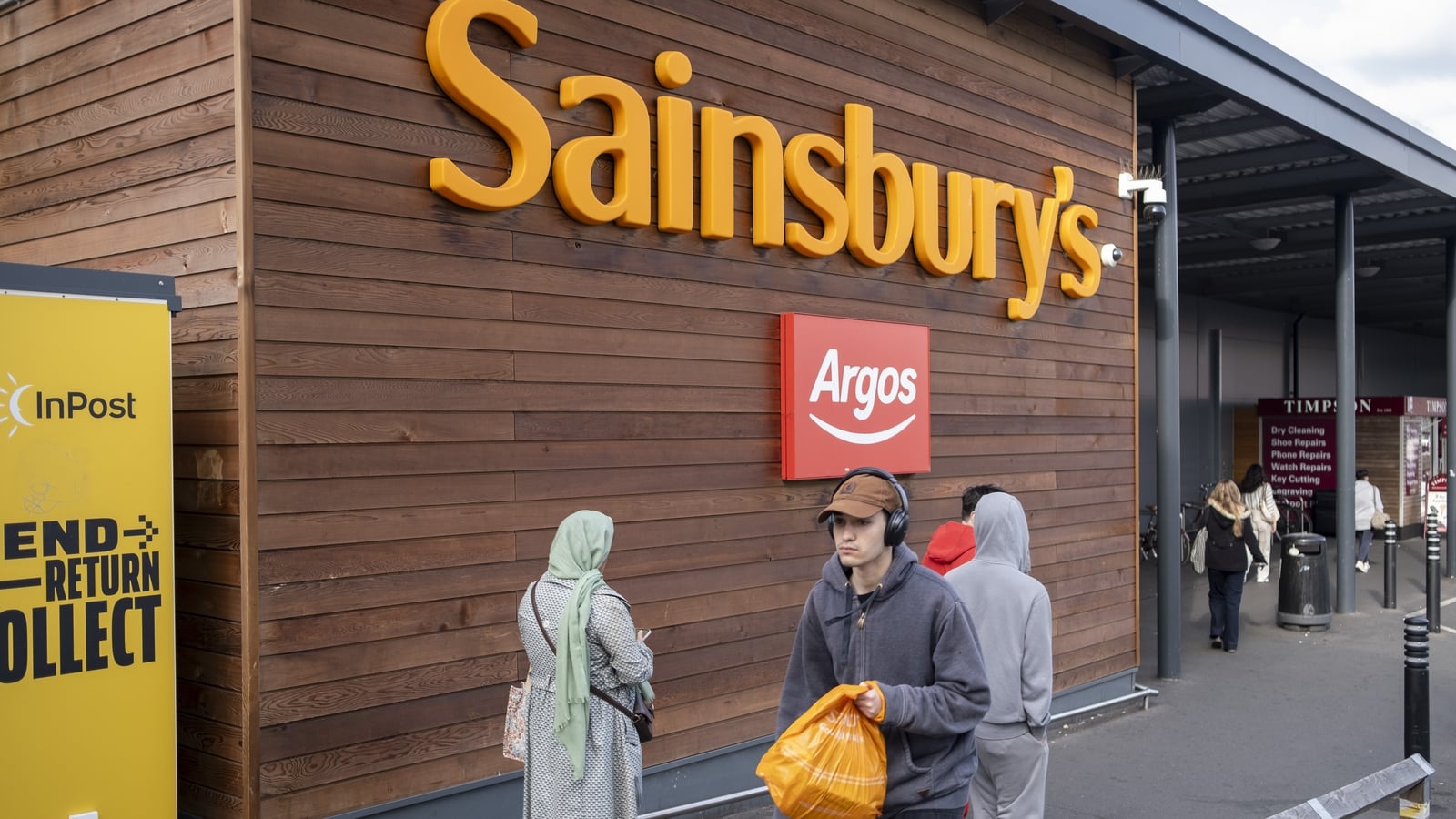
Sainsbury’s has issued a formal warning regarding its fiscal outlook, citing the intensifying conflict in Iran as a primary source of instability for consumer spending. The supermarket chain noted that the broader geopolitical climate is creating significant uncertainty, which threatens to weigh on profitability throughout the coming year. This development mirrors recent commentary from Tesco, suggesting that the UK retail sector is bracing for a period of heightened volatility linked to external supply chain and inflationary pressures.
Geopolitical Friction and Retail Margins
The direct link between the conflict in Iran and domestic retail performance centers on the potential for disrupted supply chains and increased energy costs. As these pressures filter through the global economy, they often manifest as higher input costs for retailers, who must then decide whether to absorb the expenses or pass them on to price-sensitive consumers. Sainsbury’s assessment indicates that the current environment makes it difficult to maintain previous profit expectations, as the company navigates a landscape where consumer confidence is increasingly tied to global stability.
This shift in sentiment reflects a broader trend within the consumer cyclical sector, where companies are struggling to balance operational efficiency with the reality of unpredictable macroeconomic headwinds. For investors, the alignment of warnings between major players like Sainsbury’s and Tesco suggests that the challenges are structural rather than company-specific. The sector is now contending with a environment where traditional forecasting models are being disrupted by rapid changes in international security and trade logistics.
Sector-Wide Read-Through and Valuation Risks
The retail sector is currently undergoing a re-evaluation of its risk profile as these geopolitical factors take center stage. When industry leaders signal that profit margins are at risk due to external events, the market typically responds by adjusting valuation multiples to account for lower earnings visibility. This creates a difficult environment for firms attempting to manage inventory and pricing strategies while the underlying cost of doing business remains in flux.
AlphaScala data currently tracks the broader consumer cyclical landscape, where companies like Amer Sports, Inc. (AS stock page) hold an Alpha Score of 47/100, reflecting a mixed outlook. Similarly, firms such as Hasbro, Inc. (HAS stock page) remain unscored as they navigate their own specific industry pressures. These metrics highlight the importance of monitoring how individual companies manage their exposure to global volatility versus their ability to maintain core operational resilience.
The Path to Reassessment
The next concrete marker for the sector will be the upcoming quarterly trading updates, which will provide the first hard data on how these geopolitical concerns have impacted actual sales volumes and margin compression. Investors should look for specific commentary on inventory management and the extent to which retailers have successfully hedged against rising energy and transport costs. If the conflict persists, the focus will shift toward whether these companies can sustain their current dividend policies and capital expenditure plans in the face of a potentially prolonged earnings squeeze. The ability of management teams to articulate a clear mitigation strategy will be the primary determinant of market sentiment in the months ahead. For further insights on how these macro shifts influence stock market analysis, monitoring the interplay between global trade and retail performance remains essential.