Stocks● Neutral
Russia's First Net Territorial Loss Since 2023 Reshapes War Calculus
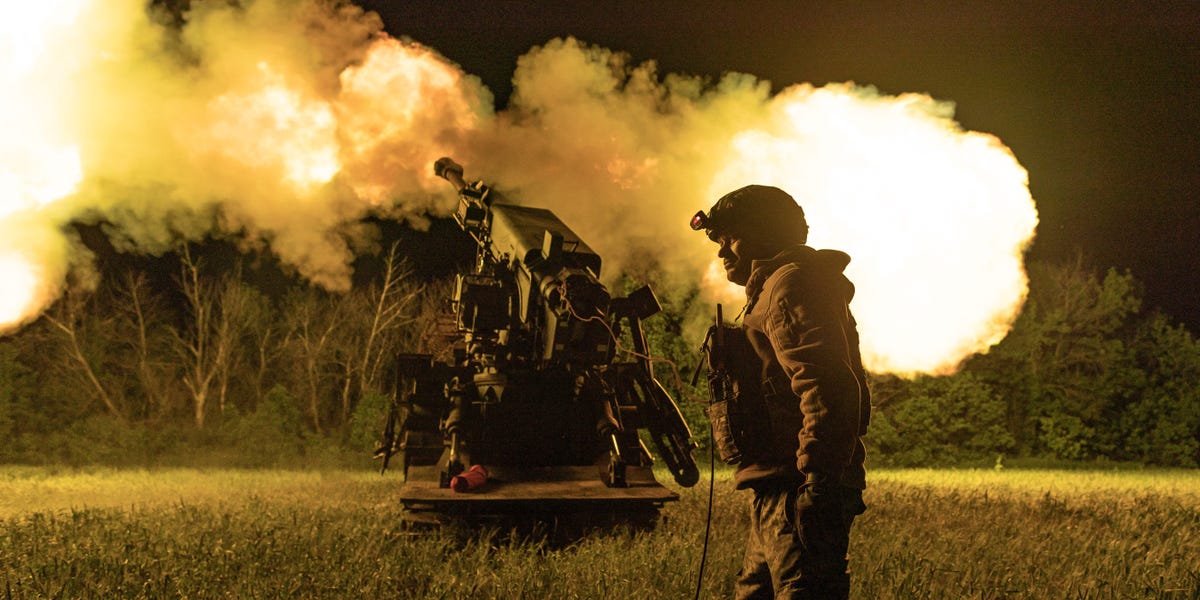
DeepState UA reports Russia's first net monthly territorial loss since 2023. The shift alters defense, energy, and safe-haven asset assumptions. Watch for ISW confirmation.
Continue with
DeepState UA, a prominent Ukrainian war tracker, reported Monday that Russia suffered a net monthly territorial loss for the first time since 2023, when Kyiv launched its major summer offensive with Western arms. The data marks a measurable reversal in the battlefield momentum that has largely favored Russian forces over the past year.
For traders and allocators watching the defense sector, energy markets, and safe-haven assets, this metric is more than a headline. It signals a potential inflection point in the war's trajectory, one that could reshape assumptions about duration, escalation risk, and commodity supply.
DeepState UA's Data and the Momentum Shift
DeepState UA, an open-source intelligence group that tracks front-line changes using satellite imagery and combat footage, said the net loss was the first monthly retreat for Russian forces since the summer of 2023. The group did not specify the exact square kilometers lost. The directional change is the key signal.
During 2024, Russian forces had steadily advanced in eastern Ukraine, particularly around Avdiivka and Chasiv Yar, grinding through Ukrainian defensive lines. A net reversal, even a small one, suggests that Ukrainian counter-operations or Russian logistical strain are beginning to bite. The timing matters: it comes ahead of potential peace negotiations and as Western aid packages continue to flow.
Market Implications of Shifting Frontlines
A change in territorial control does not automatically trigger a market move. It does alter the probability distribution for several asset classes.
Defense contractors with exposure to Ukraine – those supplying artillery, drones, or air-defense systems – could see renewed demand expectations if Ukraine regains the initiative. A stalled Russian advance reduces the urgency for emergency NATO deployments, which could temper near-term defense spending hype.
Energy markets are directly sensitive to front-line shifts. Russian gas transit through Ukraine, though reduced, still flows. A Ukrainian push toward occupied territories near pipeline infrastructure could reintroduce supply risk. Oil prices, already volatile on OPEC+ decisions, may price in a lower risk premium if the war appears closer to a frozen conflict or ceasefire.